


Bedroom safety is vital for seniors, as a well-designed sleeping environment substantially reduces fall risks, enhances mobility, and promotes overall health and independence. Seniors face unique hazards, including pet-related obstacles, medical conditions impairing mobility, and poorly secured flooring. Adequate lighting, safe furniture arrangement, and bedside safety features are essential in preventing accidents. A safe bedroom environment also enables seniors to maintain their dignity, confidence, and quality of life. By understanding the importance of bedroom safety, seniors and caregivers can take proactive steps to create a secure and supportive space, leading to a more thorough approach to senior care.
📋✅
- A safe bedroom environment promotes independence and confidence for seniors, enhancing their overall quality of life.
- Bedroom safety reduces the risk of falls and injuries, which are leading causes of hospitalization and disability among seniors.
- A well-designed sleeping environment contributes to promoting healthy aging and preserving personal freedom.
- Improved sleep quality, facilitated by a safe bedroom, is essential for physical and mental well-being in older adults.
- Seniors are at the highest risk of electrical accidents and falls due to physical or mental illnesses, making bedroom safety crucial.
Common Bedroom Hazards for Seniors
Numerous environmental factors in the bedroom pose significant hazards to seniors, compromising their safety and increasing the risk of falls and injuries. Among these hazards are pet-related obstacles, such as pets getting underfoot or pet beds and toys cluttering the floor, which can cause tripping and falls. Additionally, medical conditions like arthritis, circulation issues, and dementia can impair mobility, balance, and judgment, further increasing the risk of accidents.
Furthermore, the bedroom itself can be a source of hazards, including beds that are too high or too low, loose or slippery bedding, and cluttered floors. Poorly secured or damaged flooring, such as frayed carpet or slippery rugs, can also cause falls. Besides, the use of certain medications that impair balance can exacerbate these risks. It is essential to acknowledge these hazards and take proactive steps to mitigate them, ensuring a safe and secure environment for seniors to rest, recover, and maintain their independence. By understanding the interplay between environmental factors, pet hazards, and medical conditions, caregivers and family members can better support seniors in maintaining their bedroom safety. A home care assessment can identify areas for improvement in the bedroom, including out-of-reach bedside tables. Over 800,000 seniors arrive at the emergency department with a head or hip injury caused by a fall each year.
Importance of Proper Lighting
While ensuring the overall safety of a senior's bedroom is multifaceted, one essential aspect that is often overlooked is the importance of proper lighting. Adequate lighting plays a key role in preventing falls and promoting independence among seniors. Lighting Efficiency and Senior Sensitivity are pivotal considerations when designing a safe and functional bedroom.
Effective lighting solutions can be achieved through strategic placement and careful selection of lighting fixtures. Motion-activated night lights, bright bulbs, and accessible light switches can markedly improve visibility and reduce the risk of falls. Considering the changes in vision that occur with aging, such as decreased sensitivity to light, is paramount when planning lighting. Website accessibility also matters, with security features like Cloudflare Ray ID often used to protect websites from online attacks.
- Layered Lighting: Implement layered lighting to provide flexibility and control over lighting levels, allowing seniors to adjust the lighting to suit their needs.
- Task Lighting: Use task lighting to illuminate specific areas where activities are performed, such as reading or dressing, to enhance visibility and reduce eye strain.
- Consistent Lighting: Maintain consistent lighting levels throughout the bedroom to prevent sudden changes that can cause disorientation and increase the risk of falls.
To further improve safety, regular assessments of the bedroom's electrical setup should be conducted to ensure cords are properly managed and outlets are easily accessible, minimizing the risk of electrical hazards from frayed or damaged cords.
Safe Furniture Arrangement Tips
Optimizing furniture placement plays a vital role in ensuring bedroom safety for seniors. A well-planned arrangement can substantially minimize tripping hazards, allowing individuals to navigate their space with confidence and independence. By strategically positioning furniture to create clear pathways and clutter-free spaces, seniors can reduce their risk of falls and injuries, promoting a safer and more comfortable living environment. Adequate lighting is also essential, and installing nightlights or motion-sensor lights can help illuminate the way during nighttime trips to the bathroom. A bed with a height that allows seniors to sit with their feet flat on the floor and knees level with hips is crucial, and this ideal height can be determined by measuring from the floor to the senior's knee height.
Optimizing Furniture Placement
A paramount aspect of bedroom safety for seniors involves strategically arranging furniture to minimize hazards and facilitate mobility. Optimizing furniture placement is essential to prevent accidents and guarantee a safe environment. A well-planned layout can help reduce the risk of falls, injuries, and other hazards.
When arranging furniture, consider the following tips:
- Position the bed for safe access: Place the bed frame away from the door, but not so far that it's difficult to reach. Guarantee there is enough space on both sides of the bed for easy access and exit.
- Use corner protectors: Attach corner protectors to the bed frame and other furniture to prevent injuries from sharp edges.
- Place essential items within reach: Position nightstands, lamps, and other essential items within easy reach to prevent overreaching and tripping hazards.
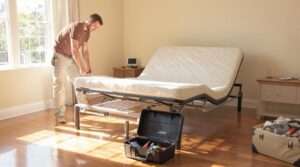
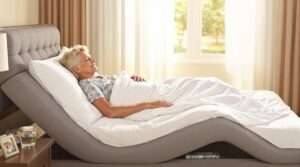
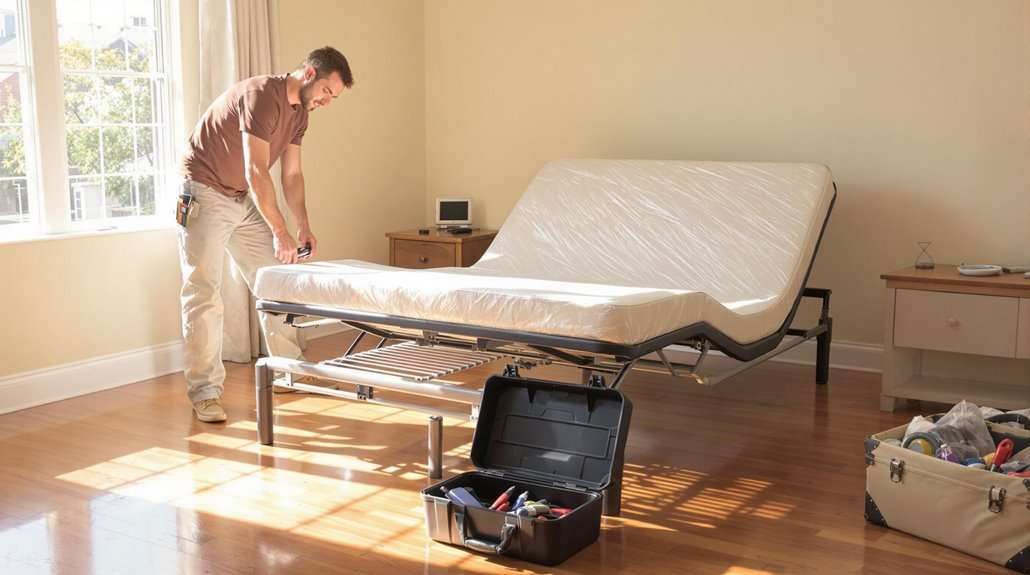
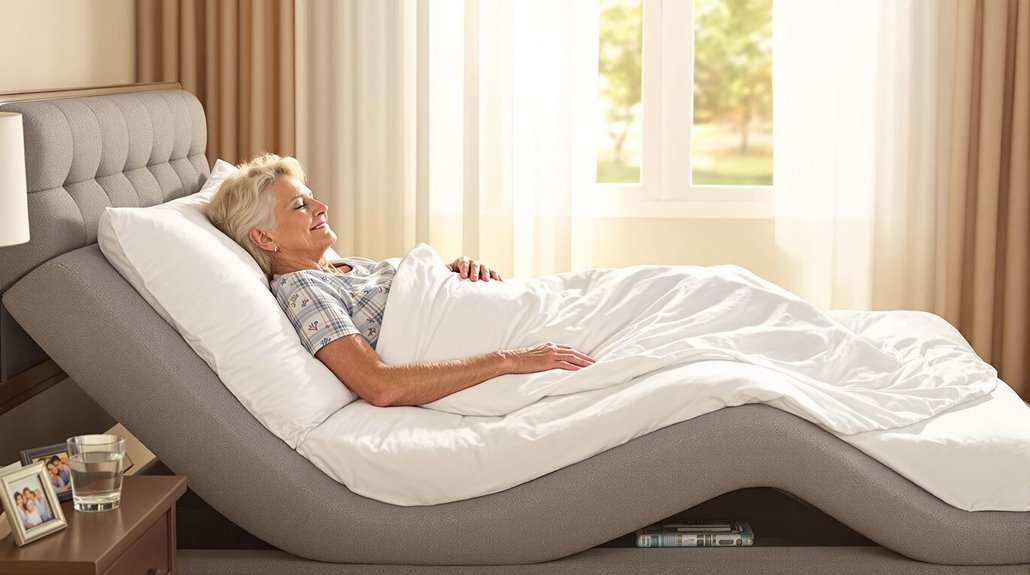
Additionally, consider investing in an adjustable bed frame to make sitting up and exiting the bed easier and safer.
Minimizing Tripping Hazards
Minimizing tripping hazards is a critical aspect of creating a safe and supportive environment for seniors in their bedrooms. To reduce the risk of falls and injuries, a thorough assessment of potential hazards must be conducted. Simple changes to the home can significantly reduce the risk of falls and make the bedroom a safer place.
Floor Hazards, Rug Stability, and Bed Stability Comparison Table
| Aspect | Description | Impact |
|---|---|---|
| Flooring | Removing rugs, loose carpets | Prevent tripping |
| Rug | Using rug anchoring systems or taping | Avoid slip & falls |
| Bed | Proper adjustment and sturdiness test | Improve fall outcome
Bedside Safety Features to Consider
For seniors, the bedside area poses a significant risk of accidents and injuries, particularly during nighttime hours when visibility is reduced and mobility may be impaired. To improve bedside safety, several options can be considered. Effective bedside safety features can facilitate easier nighttime routines, making it essential to incorporate useful tools.
Some bedside accessories can offer support and support to those who need accessibility. Some examples include sleep assistants and bed alarms at the bedside. You can use the following additional features to guarantee bedside is safe:
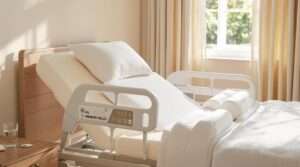
- Elevated Bedside Controls: Attach elevated controls to the sidebar of the bed to let seniors access the bed motor without stretching.
- Safety Straps: Applying safety straps to the handles of a bed can create an easier-to-use platform for pulling oneself up versus grabbing the headboard; and
- Locking Nightstands: Fixing a nightstand through a bracket can prevent drawers from falling if someone grabs them unintentionally while trying to roll over in bed. Many options exist to guarantee security. Removing clutter and obstructions from the bedroom floor can also help reduce the risk of falls and injuries.
Closet Organization for Easy Access
Seniors often face unique challenges in their daily lives, and traversing the closet can be a formidable task, especially when mobility is limited. Elderly closets require thoughtful design to guarantee safe and easy access to essential items. Accessible shelves and storage solutions are vital in reducing the risk of falls and injuries.
To create a safe and functional closet, consider incorporating solid and stable elements, such as built-in units, and adjustable storage solutions, like rods and shelves that can accommodate changing mobility needs. Elevated storage, drop-down rods, and sliding doors can also enhance accessibility. Lever handles and motion-activated lights can further simplify closet navigation. When organizing the closet, prioritize clear clutter, utilize vertical space efficiently, and store daily essentials in easy-to-reach locations. By implementing these design principles and organizational strategies, caregivers and family members can help create a safe and supportive environment that promotes independence and confidence for seniors. Motion-sensing lighting can be particularly beneficial in preventing accidents by automatically turning off when not in use with automatic shut-off. A customized closet with open shelving can also make items easier to see and access, reducing the need for bending or straining.
Electrical Safety Precautions to Take
Numerous electrical hazards can be present in a senior's bedroom, posing significant risks to their safety and well-being. Identifying and mitigating electrical risks is essential for creating a safe living environment. Outlet maintenance is a vital aspect of electrical safety, and it involves ensuring that all electrical sockets are at least three meters away from water sources and verifying the home's electrical system is in compliance with the most up-to-date electrical codes.
To minimize electrical risks, consider the following precautions:
- Annual Appliance Inspection: Check all electrical appliances and devices annually for any signs of damage or wear. This includes inspecting cords and cables for damage and ensuring they are not hidden under rugs or carpets.
- Safe Extension Cord Use: Use extension cords only temporarily and avoid overloading them with plugs. This can help prevent electrical fires and reduce the risk of electrical shock.
- Regular Electrical Checks: Conduct regular electrical safety checks, including inspecting the circuit breaker panel board and testing ground fault circuit interrupters (GFCIs) and arc-fault circuit interrupters (AFCIs). Hiring a licensed electrician to conduct home electrical safety inspections is also recommended.
Seniors are at the highest risk of electrical accidents due to physical or mental illnesses.
General Safety Measures for Bedrooms
Beyond electrical safety precautions, a thorough approach to bedroom safety involves addressing various aspects of the physical environment to minimize hazards and guarantee a comfortable living space. Private spaces, such as bedrooms, require careful consideration to safeguard against fall prevention and overall well-being. Adequate lighting, for example, plays a vital role in preventing accidents. Installing motion-activated night lights and using bright bulbs in ceiling fixtures and bedside lamps can markedly enhance visibility.
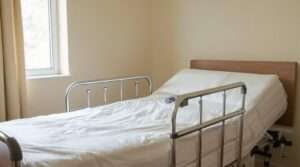
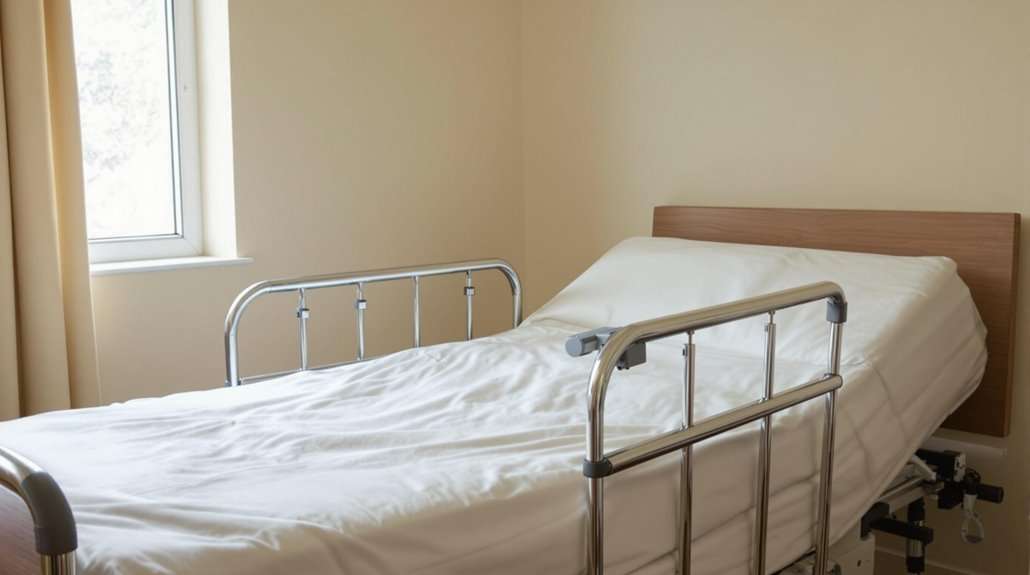
To prevent falls, it is essential to clear pathways by removing loose rugs and tripping hazards, organizing and decluttering the room, and securing electrical cords along baseboards. Adjusting the bed height to a comfortable level and installing grab bars or bed rails can also provide support and stability when getting in and out of bed. For seniors who are prone to falls, a Bed Assist Rail can be an especially useful tool to help them get in and out of bed safely Bed Assist Rail. In addition, placing essential items within easy reach and using bedside tables with sturdy construction can help prevent accidents and injuries. By implementing these general safety measures, caregivers can create a safe and secure environment for seniors to thrive in their private spaces.
Benefits of a Safe Sleeping Environment
How can a well-designed sleeping environment contribute to the overall well-being of older adults? A safe sleeping environment plays a vital role in promoting healthy aging, preserving personal freedom, and improving sleep quality. By carefully designing and organizing the bedroom, seniors can reduce fall risks, enhance mobility, and maintain independence.
Three benefits of a safe sleeping environment:
- Reduced Fall Risks: Clearing floor space, securing electrical cords, and using motion-activated night lights help prevent tripping hazards.
- Improved Sleep Quality: A well-ventilated, quiet, and comfortable bedroom environment contributes to a restful and rejuvenating sleep experience, essential for physical and mental well-being.
- Enhanced Personal Freedom: Easy-to-access clothing, toiletries, and other essential items enable seniors to perform daily tasks without assistance, promoting autonomy and self-sufficiency. By designing a safe and supportive sleeping environment, older adults can maintain their dignity, confidence, and quality of life.
Frequently Asked Questions
What Are the Benefits of Installing a Medical Alert System in the Bedroom?
Installing a medical alert system in the bedroom provides immediate emergency response, ensuring timely assistance in case of falls or other emergencies, and enhances nighttime comfort, allowing seniors to rest assured knowing help is readily available.
How Often Should I Inspect the Bedroom for Potential Safety Hazards?
Inspect the bedroom daily for clutter reduction, weekly for hazards, and monthly using a thorough safety checklist to identify and mitigate potential risks, ensuring the senior's environment remains safe and supportive of their needs.
Can I Use Any Type of Lighting for Motion-Sensor Lights in the Closet?
While various bulb types exist, not all are suitable for motion-sensor closet lights, particularly for seniors; LED lights in warm light colors are ideal due to their energy efficiency, longevity, and gentle, non-glare illumination.
What Is the Recommended Height for Installing Grab Bars Near the Bed?
The recommended height for installing grab bars near the bed is 34-36 inches above the floor, aligning with the height of the bed, to provide ideal bedside support and guarantee effective grab bar placement for seniors.
Are There Any Tax Benefits for Seniors Who Invest in Bedroom Safety Features?
Senors investing in bedroom safety features may be eligible for tax benefits, such as medical expense deductions, which can lead to increased tax refunds, providing essential support and financial assistance with aging-in-place costs beyond typical senior discounts.
A safe bedroom sanctuary is vital for seniors, where tranquility and security converge. Hazards lurk in every corner, but with vigilant planning, these risks can be mitigated. Proper lighting illuminates the path, while thoughtful furniture arrangement and bedside safety features provide a safeguard. Closet organization and electrical precautions further fortify the space. By implementing these measures, a haven of rest is created, fostering independence, confidence, and peaceful slumber, essential for overall well-being.