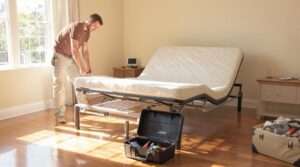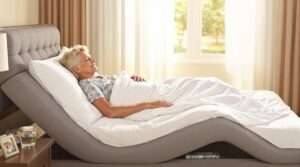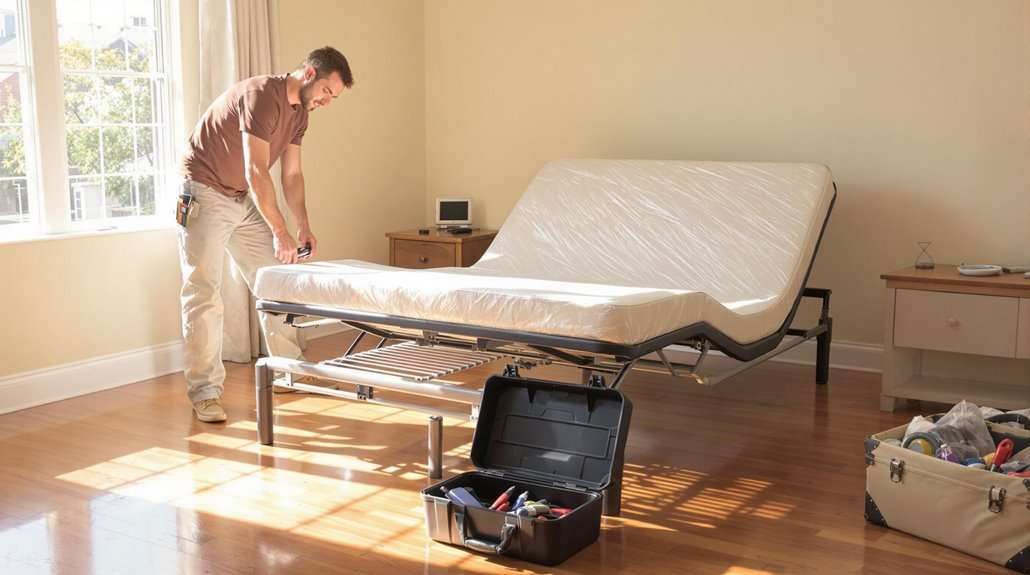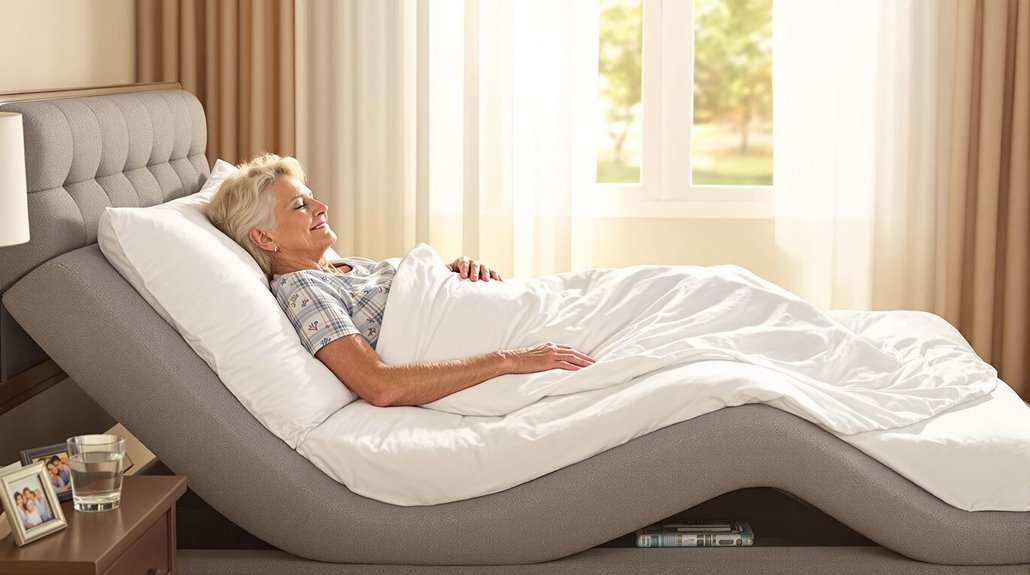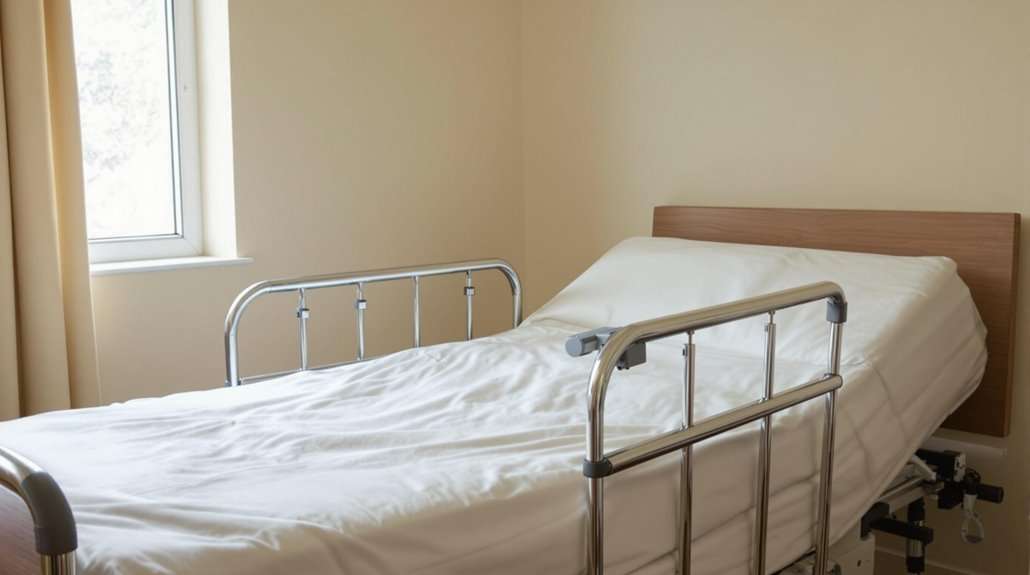



Electric beds provide seniors with comfort and independence. These beds adjust to various positions, aiding in pain relief and improved sleep quality. They feature options such as head lifts, leg lifts, and massage functions.
A significant majority of seniors report advantages from using adjustable beds. However, these beds also have some disadvantages. Their price range can be substantial, with additional costs for mattresses and frames.
Ongoing maintenance can increase the overall expense. Electric beds are substantial in weight, making relocation challenging. With proper care, they typically last 8-15 years. This article examines the advantages and disadvantages of electric beds for older adults.
We’ll discuss their functionality, health benefits, and considerations before purchasing.
📋✅
- Electric beds for seniors offer adjustable positions, massage functions, and safety features, improving comfort and mobility.
- These beds can reduce pain, improve circulation, and lessen snoring and sleep apnea symptoms.
- Prices range from $300 to $7,000, with popular models costing between $1,000 and $3,000.
- 85% of electric bed owners report better sleep quality, according to a survey of 600 users.
- Drawbacks include high costs, maintenance needs, and potential complexity for some seniors to operate.
Overview of Electric Beds for Seniors

Electric beds for seniors provide numerous beneficial features. These beds can elevate, lower, incline, and adjust to various positions, promoting comfort and well-being.
Key Features
Electric beds for seniors offer many helpful features. These beds improve comfort and daily living for older adults.
- Head and Foot Adjustments: Allows raising or lowering different parts of the bed
- Remote Control: Simple device to change bed positions
- Massage Function: Provides soothing vibrations to relax muscles
- Hi/Lo Feature: Raises or lowers the entire bed for easy access
- Zero Gravity Position: Mimics weightlessness to reduce pressure on the body
- Memory Settings: Saves favorite positions for quick adjustments
- Safety Rails: Prevent falls and provide support when getting in or out
- Under-bed Lighting: Improves visibility for nighttime movement
- USB Ports: Convenient charging for devices like phones or tablets
- Emergency Power Backup: Ensures bed function during power outages
These features aim to improve comfort and ease of use for seniors. Here are some popular brands and models of electric beds.
Popular Brands and Models
Continuing with the key features discussed, here are some popular brands and models of electric beds for seniors. These options provide various combinations of the features mentioned, addressing different needs and preferences.
| Brand | Model | Notable Features |
|---|---|---|
| Saatva | Lineal Adjustable Base | Zero-gravity preset, under-bed lighting, massage function |
| Nectar | Adjustable Frame | Three-zone massage, USB ports, wireless remote |
| Puffy | Adjustable Base | Dual massage, zero gravity and anti-snore positions |
| Sealy | Ease Power Base | Head and foot articulation, wireless remote, quiet motors |
| Tempur-Pedic | TEMPUR-Ergo | QuietMode anti-snore, PerfectSeat positioning, sleep tracking |
These brands provide a selection of options to accommodate different budgets and needs. Each model has specific features that can improve sleep quality and mobility for seniors.
Pros of Electric Beds for Seniors
Electric beds provide numerous advantages for older adults. They enhance comfort and facilitate movement for seniors experiencing health challenges.
Enhanced Comfort
Electric beds provide seniors with enhanced comfort. Users can adjust the bed’s position effortlessly. This feature reduces strain on joints and muscles when entering or exiting the bed.
Seniors can easily find their preferred position for reading, watching TV, or sleeping.
These beds also address various health concerns. They can alleviate discomfort from arthritis and back issues. Adjusting the head or foot position helps manage acid reflux and respiratory difficulties.
Some models include massage functions for additional relaxation. These features contribute to improved sleep quality and overall well-being for older adults.
Improved Mobility
Electric beds improve mobility for seniors. They allow users to change positions with ease. At the press of a button, the bed can be raised or lowered. This assists seniors in getting in and out of bed without strain.
The Hi/Lo function is essential in this regard. It adjusts the entire bed’s height. This creates a safer environment for seniors to stand up or sit down.
These beds also assist with daily activities. Seniors can sit up to read, watch TV, or have meals. The bed’s adjustable sections support different areas of the body. This reduces pressure on joints and muscles.
For those with health concerns, this freedom of movement is crucial. It helps maintain seniors’ activity levels and independence for longer periods.
Health Benefits
Electric beds provide significant health benefits for seniors. They can reduce strain on the heart and improve blood circulation. This aids individuals with cardiac conditions or circulatory problems.
For those experiencing respiratory difficulties, elevating the head can make a substantial difference. It improves airway clearance, facilitating easier breathing. People with asthma experience relief, and sinus issues often improve as well.
These beds also assist with pain management. Adjusting positions can alleviate pressure on painful areas. This proves beneficial for those with arthritis or back discomfort. Improved sleep often results, contributing to better overall health.
Seniors might find they require fewer pain medications. The following section will examine important features to consider when selecting an electric bed.
Customizable Settings
Electric beds provide numerous adjustment options for comfort. Changing the head and foot positions allows you to find the ideal position for reading, watching TV, or sleeping. Some models feature preset buttons for common positions such as “zero gravity” or “anti-snore,” making it convenient to quickly achieve comfort.
Many electric beds also include massage and heat functions. These features can help alleviate sore muscles and improve circulation. You can often save your preferred settings, eliminating the need to adjust controls each time you want to relax.
With these options available, caregivers can assist seniors in finding the most suitable configuration for their needs.
Cons of Electric Beds for Seniors
Electric beds for seniors have some disadvantages. They can be expensive, require maintenance, and might be challenging to operate. However, these factors shouldn’t discourage you from considering them further.
High Costs
Electric beds for seniors are expensive. These beds typically range from $300 to $7,000, based on features and brand. The high cost is due to the specialized mattresses and frames required to accommodate the bed’s adjustable components.
Many seniors struggle to afford these beds, despite their health advantages.
Caregivers should be aware that the purchase price is not the only expense. It’s necessary to consider maintenance, potential repairs, and increased electricity costs. Some insurance plans might partially cover the expense, but this isn’t always certain.
It’s prudent to consider the long-term benefits against the initial cost when thinking about an electric bed for your loved one.
Maintenance Requirements
Moving from cost concerns, let’s discuss maintenance. Electric beds require regular care to function optimally. This results in additional responsibilities for caregivers.
These beds contain moving components that are subject to wear. Motors and controls may require repair or replacement over time. Cleaning is essential to prevent bacterial growth and maintain proper functionality.
Some models necessitate specific maintenance for their massage or heat features. Regular inspections help identify minor issues before they escalate. Caregivers should familiarize themselves with basic maintenance tasks to reduce expenses on service calls.
However, certain repairs require professional expertise. This additional workload can be challenging for busy caregivers. Yet, proper care extends the bed’s lifespan and improves its performance for seniors.
Complexity of Use
Electric beds can present challenges for some seniors. Remote controls often feature numerous buttons, which may be overwhelming for older adults. Some beds come with intricate settings that require time to understand.
This can be frustrating for seniors seeking a straightforward sleep arrangement.
Caregivers may need to assist seniors in adjusting their beds initially. Selecting a bed with clear labels and simple controls is crucial. Some models offer voice command options, improving their ease of use.
However, power outages can pose problems if the bed lacks manual adjustment capabilities.
Space Requirements
Electric beds designed for older adults require additional space compared to standard beds. Their larger dimensions and increased weight, typically around 625 pounds, can make compact bedrooms feel confined.
Careful planning of the room layout is necessary to ensure sufficient space for movement and the use of other furniture.
Maintaining cleanliness beneath these beds can be challenging due to limited clearance. The mechanical components underneath occupy space, restricting access for cleaning tools. This may result in increased effort for those responsible for maintaining a clean and dust-free environment.
Despite these spatial considerations, many individuals find the advantages of electric beds outweigh the extra room they occupy.
Health Benefits Detailed
Electric beds can alleviate discomfort and improve circulation. They may also help lessen snoring and sleep apnea symptoms.
Relief from Pain and Arthritis
Electric beds provide significant assistance for seniors experiencing pain and arthritis. These beds can adjust their position, relieving pressure on sensitive areas. This adjustment improves circulation and reduces discomfort without medication.
Numerous models include vibration features. These subtle movements stimulate muscles and alleviate pain. For individuals with limited joint mobility, these beds facilitate easier entry and exit.
They can be raised or lowered, reducing physical strain for seniors. This autonomy helps maintain activity levels and independence for longer periods. It’s an effective method to enhance daily living for those managing persistent discomfort.
Better Circulation
Electric beds improve blood circulation in seniors. They allow users to adjust positions easily, which promotes better blood movement throughout the body. This enhanced circulation reduces stress on the heart and blood vessels.
It also decreases swelling in legs and feet. Many seniors report improved sleep quality and reduced pain upon waking when using these beds.
Proper blood circulation is essential for overall health in older adults. It supports organ function and accelerates healing processes. Electric beds provide easy adjustments to elevate legs or raise the upper body.
These movements counteract gravity’s effects on blood flow. Consequently, seniors may experience fewer leg cramps, reduced swelling, and improved skin health.
Reduced Snoring and Sleep Apnea Symptoms
Electric beds offer benefits for seniors experiencing snoring and sleep apnea. Elevating the bed’s head prevents the tongue from obstructing airways. This facilitates easier breathing and reduces loud snoring.
For individuals with sleep apnea, a 6-inch elevation helps keep stomach acid down. This results in fewer nighttime awakenings and improved overall rest.
Caregivers often observe significant improvements in their loved ones’ sleep quality with these beds. Seniors report feeling more refreshed and energetic during daytime hours. The adjustable features allow individuals to find the optimal position for their specific needs.
This can result in reduced pain and improved overall health for seniors managing nighttime breathing difficulties.
Features to Consider in Electric Beds
Electric beds provide numerous beneficial features for older adults. These include customizable positions, massage functions, and safety lowering mechanisms. Continue reading to discover more about these practical bed attributes.
Adjustable Positions
Electric beds for seniors offer a range of adjustable positions. Users can raise or lower the head and foot sections to find their perfect spot. This feature helps with comfort and health issues.
For example, raising the head by 6 inches can stop stomach acid from rising. It also aids those with asthma by keeping airways open.
Adjustable beds come with preset positions and custom options. Common presets include zero gravity, TV watching, and reading positions. Custom settings let users fine-tune their bed to meet specific needs.
These options make daily activities easier and more enjoyable for seniors. Preset and custom positions offer specific benefits worth exploring.
Preset and Custom Positions
Electric beds provide preset and custom positions for comfort and health. These include zero gravity, TV watching, and reading modes. Users can save their preferred positions for quick access.
Custom settings allow seniors to adjust the bed to their specific needs. This feature aids in pain relief and improved sleep quality.
The next topic covers massage and heat functions in electric beds for seniors.
Massage and Heat Functions
Electric beds often include massage and heat options. These features can help seniors relax and ease pain. Massage settings work on sore muscles, while heat soothes aches. Some beds allow users to select specific areas for massage or heat.
This helps target problem areas like a stiff back or sore legs.
Research indicates these functions can improve blood flow and reduce pain. Seniors may experience better sleep and require fewer pain medications. However, it’s essential to use these features safely.
Always follow the manufacturer’s recommendations and consult a doctor beforehand. Not all seniors should use heat or massage, so it’s advisable to seek medical advice.
Emergency Lowering
Electric beds for seniors typically include a rapid descent feature. This safety mechanism allows caregivers to quickly lower the bed during urgent situations. For example, if a senior falls or requires immediate medical assistance, the bed can be flattened rapidly.
This essential function provides reassurance for both seniors and their caregivers.
Most models incorporate a battery backup for this feature. This ensures the bed can be lowered even during power interruptions. Some beds also include a manual crank. This provides an alternative option if the power fails.
It’s advisable to understand how the rapid descent feature operates on any bed under consideration for purchase.
Consumer Insights
People appreciate electric beds for their comfort and convenience. Many report improved sleep quality and reduced discomfort. Healthcare professionals recognize that electric beds can benefit older adults with mobility issues.
User Reviews and Feedback
Customer experiences offer valuable insights into electric beds for seniors. Here’s what real users are saying:
| Positive Feedback | Negative Feedback |
|---|---|
| “My back pain has reduced since using this bed.” – Mary, 72 | “The remote control is a bit complex.” – John, 68 |
| “I can now get in and out of bed easily.” – Robert, 80 | “It’s pricey compared to regular beds.” – Susan, 65 |
| “The massage feature helps me sleep better.” – Linda, 75 | “Delivery and setup were challenging.” – Tom, 70 |
| “My snoring has reduced.” – James, 78 | “It takes up more space than expected.” – Patricia, 69 |
A survey of 600 electric bed owners found that 85% reported improved sleep quality. Expert opinions on these beds provide additional insights.
Expert Opinions
Healthcare professionals specializing in senior care often commend electric beds for their health advantages. Dr. Sarah Johnson, a geriatric specialist, highlights that these beds can alleviate discomfort and improve sleep quality.
She observes that the Saatva Adjustable Base Plus is notable for its features and value. This model offers preset positions and massage functions, which many older adults find beneficial.
Sleep researchers have also provided insights on electric beds. A recent study evaluated 13 brands. The findings indicated that adjustable beds can be helpful for conditions such as sleep apnea and back pain.
Many physicians now recommend these beds to patients with ongoing health issues. They view them as a valuable tool for enhancing overall well-being in older adults.
Cost Analysis
Electric beds for seniors are available at various price points. You can find options starting around $500, with some high-end models priced at $5,000 or higher.
Price Range of Popular Models
Electric beds for seniors are available across a broad price spectrum. Basic models begin around $300, while premium options can reach $7,000. Many well-known brands offer mid-range beds between $1,000 and $3,000.
Sealy’s Ease model is notable as a budget-friendly option, with queen sizes priced under $1,000. This range of prices enables caregivers to select options that suit different financial situations and requirements.
Several elements influence the cost of electric beds. Models featuring massage functions, preset positions, or emergency lowering mechanisms are generally more expensive. Some beds also include heat therapy or USB ports, which can raise the price.
Caregivers should consider these additional features in relation to their loved one’s particular needs to determine the most suitable choice.
Long-term Value vs. Initial Investment
Electric beds for seniors can have a high initial cost. However, they may offer long-term financial benefits. These beds can potentially reduce hospital visits and the need for caregivers.
With proper maintenance, they can serve for many years. It’s worth noting that repair expenses might increase the overall cost by about 30%. Considering these aspects is advisable before making a purchase.
When selecting a bed, buyers should consider the long-term implications. An inexpensive bed might appear attractive initially but could result in higher expenses over time. A high-quality electric bed might contribute to improved health and reduced spending on other care services.
Several highly-rated electric beds for seniors are available in the market.
Comparisons with Traditional Beds
Electric beds provide exceptional comfort and surpass conventional beds in health benefits and adaptability. Users can adjust positions with ease, addressing pain and sleep concerns.
Comfort and Usability
Electric beds provide seniors with a comfortable and user-friendly sleeping solution. These beds allow users to adjust positions effortlessly using controls. This capability helps reduce discomfort and simplifies the process of entering and exiting the bed.
Many older adults report improved sleep quality after transitioning to these beds. The beds’ design also promotes circulation and reduces cardiac strain.
USB ports and under-bed lighting enhance the beds’ functionality. These features enable seniors to conveniently charge devices or navigate in low light conditions. The beds’ adjustability also benefits those with health conditions such as asthma and acid reflux.
These advantages contribute to increased independence for seniors in their daily activities.
Health Impact
Moving from comfort to health, electric beds provide more than just a cozy place to rest. These beds can significantly impact seniors’ well-being. They improve blood flow, which benefits heart health.
This is essential for older adults who may have cardiac concerns.
Electric beds also alleviate aches and pains. They can assist with asthma and acid reflux too. Notably, over 90% of seniors report improved sleep on these beds. Better sleep contributes to overall health.
It can improve mood, memory, and even reduce the risk of falls. For caregivers, this translates to reduced concern and increased peace of mind regarding their loved ones’ health.
Flexibility and Adaptability
Electric beds provide excellent adaptability for seniors. They adjust to accommodate various requirements and body shapes. These beds support up to 800 pounds, benefiting larger individuals as well.
Seniors can modify the bed to address health concerns or simply find comfort. This surpasses standard beds that remain stationary.
The beds’ adjustable features enable users to find their ideal position. This promotes circulation and alleviates health issues. Seniors with asthma or acid reflux may experience improved breathing in specific positions.
Electric beds allow for easy repositioning to enhance rest and well-being.
Best Reviewed Electric Beds for Seniors
Saatva leads the selection of premier electric beds for seniors. It provides excellent overall value, combining comfort and features effectively. Nectar distinguishes itself with preset options, simplifying the process for older adults to find their preferred position.
Puffy offers reassurance through its extended trial period, while Sealy presents an economical option. Tempur-Pedic beds provide specialized support for those managing chronic health conditions.
These highly-rated beds address varied requirements and price points. They all strive to enhance comfort, alleviate pain, and improve sleep quality for older adults. Characteristics such as adjustable positions, massage functions, and user-friendly controls make these beds favored choices among seniors and their caregivers.
Frequently Asked Questions (Related Questions)
Related Questions provide clear information about electric beds. They give quick responses to important questions seniors and caregivers often ask.
Who should consider an electric bed?
Electric beds can help many seniors. People with mobility issues often find them useful. These beds make it easier to get in and out. Seniors with asthma or acid reflux may also benefit.
The adjustable positions can ease breathing and reduce stomach acid backflow.
Chronic pain sufferers should consider electric beds. The beds allow users to change positions to relieve pressure points. This can improve sleep quality and reduce pain. People seeking better circulation or less body strain might appreciate an electric bed.
Even those with common aches during sleep could find relief. Electric beds offer comfort and health benefits for many older adults.
What are common issues with electric beds?
Electric beds for seniors can present certain challenges. The motor sounds may disturb those who sleep lightly. Properly fitting sheets can be a challenge due to the bed’s movement capabilities.
These beds often come with a higher price tag for purchase and maintenance. Some individuals may find it challenging to adjust to a bed with changing positions. The numerous components and crevices can make cleaning more complex.
Other potential issues may arise for users. Some older adults might find the control mechanisms difficult to operate. During power failures, the bed could become fixed in a single position.
The motors may experience faster wear with heavier individuals. These beds also tend to occupy more space compared to standard models, which could be problematic in smaller living areas.
How long do electric beds typically last?
Electric beds for seniors typically have a lifespan of 8 to 15 years, with their durability influenced by quality and maintenance. Consistent care, including cleaning and component checks, contributes to their longevity.
Premium models often feature superior materials and motors, potentially extending their serviceable life. However, even top-tier beds generally require replacement after approximately 15 years due to normal wear.
Users are advised to review their bed’s warranty, which usually covers parts for several years. Beyond this period, repair costs can become significant. It’s prudent to begin saving for a replacement after 7-8 years of use, ensuring readiness when the time comes for a new bed.
Bed For Seniors.com provides guidance on extending the life of electric beds.
Electric beds offer many perks for seniors. They improve comfort and ease movement. Yet, they come with drawbacks like high costs and complex use.
Dr. Amelia Hartwell, a leading geriatric specialist, shares her insights on this topic. With 25 years of experience and over 50 published studies, she’s a trusted voice in senior care.
Dr. Hartwell observes, “Electric beds can greatly improve seniors’ quality of life. The adjustable positions help with pain relief and better sleep. But we must consider each person’s needs and budget.”.
She emphasizes safety first. “Look for beds with emergency lowering features and UL certification. It’s essential to choose models that meet strict safety standards.”.
For daily use, Dr. Hartwell recommends, “Start with simple adjustments. Gradually explore more features as you get comfortable. Always keep the remote within easy reach.”.
The expert highlights pros like custom settings and health benefits. But she also mentions cons such as high upfront costs and potential tech issues.
Dr. Hartwell states, “For many seniors, electric beds are worth the investment. They can enhance independence and well-being. But they’re not a one-size-fits-all solution. Consult with healthcare providers to make the best choice.”.
For more detailed reviews on the best electric beds for seniors, check out our comprehensive guide here.
Related Questions
1. What are the main benefits of electric beds for seniors?
Electric beds offer many perks for older adults. They help with sleep disorders like insomnia and sleep apnea. These beds can ease pain from conditions like low back pain or neuropathic pain. They’re great for folks with breathing issues too, like COPD. Plus, they make it easier to get in and out of bed, which is a big plus for seniors with limited mobility.
2. Are there any drawbacks to using electric beds?
Yes, there are some cons to think about. Electric beds can be pricey, and not all insurance plans cover them. They might be noisy when adjusting, which could bother light sleepers. Some people find them hard to use at first. Also, they need regular upkeep to work well over time.
3. How do electric beds impact sleep quality for seniors?
Electric beds can really boost sleep quality. They let seniors adjust their position for better comfort. This helps with pain relief and can improve sleep patterns. Better sleep leads to better mental health and less risk of issues like depression or anxiety. Good sleep also helps brain function, which is key in fighting dementia.
4. What types of mattresses work best with electric beds?
Most mattresses can work with electric beds, but some are better than others. Memory foam mattresses are a top pick. They mold to the body and move well with the bed. Latex mattresses are another good option. Some innerspring mattresses work too, but they might not bend as well. Hybrid mattresses can be a nice middle ground.
5. Will Medicare or other insurance cover the cost of an electric bed?
Medicare Part B might cover some or all of the cost if a doctor says it’s medically needed. This often applies to hospital-style beds. Other insurance plans vary, so it’s best to check with your provider. Some people use HSAs or FSAs to help pay for electric beds. There are also payment plans through services like Affirm or PayPal.
6. How do electric beds help with specific health issues?
Electric beds can be a big help for many health problems. For folks with heart disease, they can prop up the upper body to ease chest pressure. People with sleep apnea can raise their heads to keep airways open. The beds can be set to take pressure off sore spots for those with chronic pain. They’re also great for seniors recovering from surgery or doing physical therapy exercises in bed.