


Ensuring a senior's bedroom is safe and comfortable requires essential safety features, including non-slip mats and flooring, bed rails, and secure bedding to prevent falls and entanglement. Adequate lighting, such as task lighting, nightlights, and motion-sensing lights, can reduce the risk of falls and promote relaxation. Emergency response systems, like bedside alarm systems and wearable alert devices, enable seniors to quickly call for help in case of an emergency. By incorporating these features, caregivers can create a secure environment for seniors. Further consideration of smart home safety devices, room layout, and general safety considerations can provide thorough safety.
📋✅
- Installing non-slip mats and securing flooring with non-slip surfaces can prevent slips and falls in a senior's bedroom.
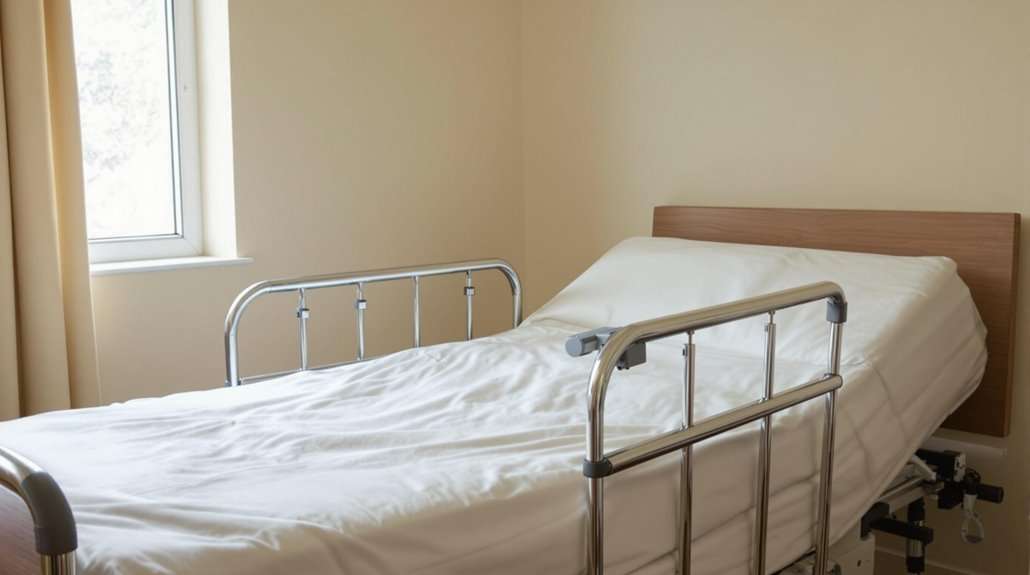
- Bed rails can provide leverage and support when getting in and out of bed, reducing the risk of falls.
- Clearing pathways around the bed and securing bedding can prevent tripping hazards and entanglement.
- Installing grab rails or gaits can provide extra support when getting in and out of bed, improving balance and stability.
- Using ambient lighting and task lighting can reduce glare and improve visibility, reducing the risk of falls and accidents.
Floor Safety Precautions
Ensuring floor safety is essential in a senior's bedroom, as falls are a leading cause of injury in older adults. One effective way to prevent falls is to install Non-Slip Mats in areas prone to slipping, such as in front of the bed or dresser. These mats provide extra traction and can help prevent slips and falls.
In addition to Non-Slip Mats, Secure Flooring is also pivotal in preventing falls. This can be achieved by installing flooring materials that have a non-slip surface, such as vinyl, rubber, or cork flooring. These materials are designed to provide good foot traction and can help minimize the impact of a fall. For existing flooring, securing the edges of carpets and area rugs with carpet tape or double-sided rug tape can also help prevent slipping and tripping. Regular flooring inspections can also help identify potential hazards and prevent accidents. Flooring with sound absorption can also contribute to a safer and more comfortable environment for seniors. By taking these precautions, caregivers can help create a safer environment for seniors and reduce the risk of falls and injuries. Secure Flooring and Non-Slip Mats are essential components of a senior-friendly bedroom. A well-designed bedroom can provide a level of security similar to online security solutions, such as Cloudflare Security.
Safeguarding the Bed Area
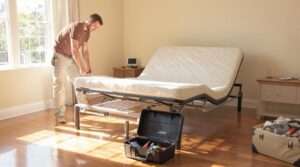
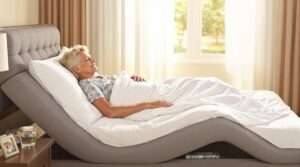
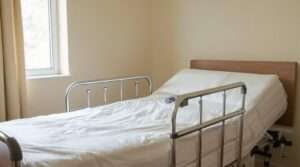
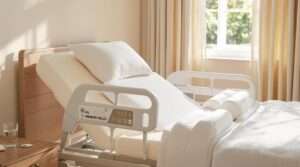
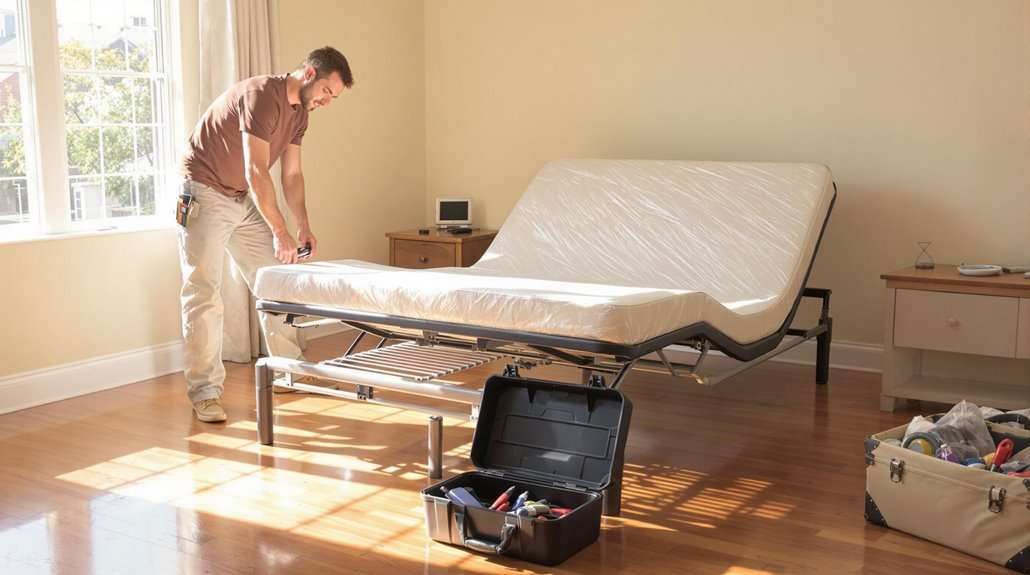
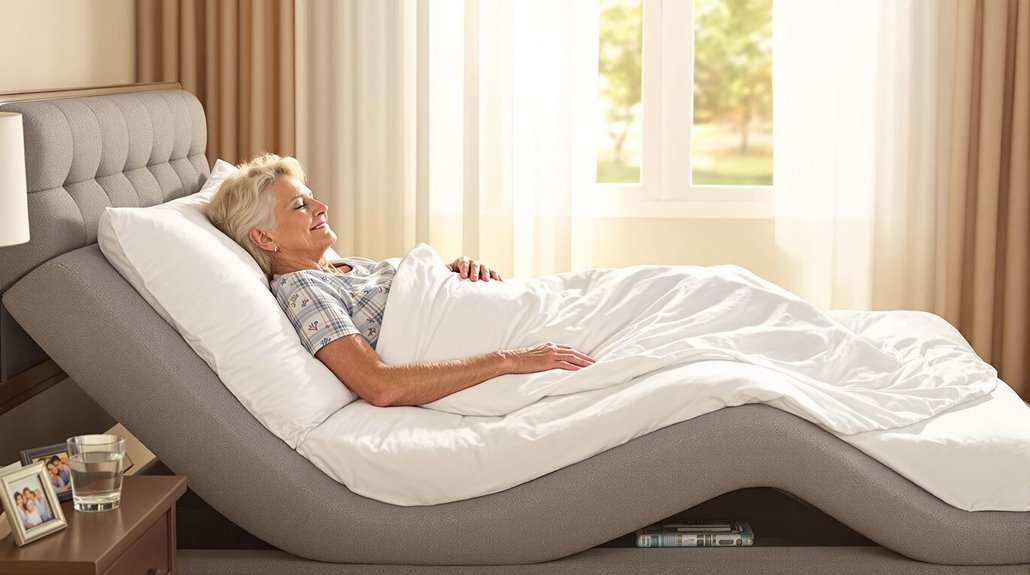
The bed area is a critical space in a senior's bedroom that requires careful attention to safety. To minimize risks, consider implementing Bed Safety Tips, such as guaranteeing the bed is at a safe height, typically between 20 and 23 inches from the top of the mattress to the floor. Installing bed rails provides leverage and support when getting in and out of bed, reducing the risk of falls. Adjustable beds can also be lowered or raised to ease shifts into wheelchairs or for those with limited mobility.
Clear pathways around the bed are vital to prevent tripping hazards. Secure bedding, such as snug-fitting sheets and comforters, can prevent entanglement. Bedside Assistance can be enhanced with grab rails or gaits, providing extra support when getting in and out of bed. Additionally, consider using bed alarm pads, wearable alerts, or emergency contact systems to guarantee timely assistance in case of an emergency. It's also essential to regularly assess the bedroom's floor safety to ensure that throw rugs are removed and floors are kept clear of clutter. Keeping cords near the wall and not running across the floor reduces tripping hazards. By implementing these safety measures, caregivers can provide a safer and more supportive environment for seniors, promoting independence and reducing the risk of accidents. Effective Bed Safety Tips and Bedside Assistance are essential for creating a secure and comfortable bed area.
Proper Lighting Installation
Proper lighting installation plays a significant role in creating a safe and supportive environment for seniors, complementing the safety measures implemented in the bed area. A well-designed lighting system can reduce the risk of falls, enhance visibility, and promote independence. Key areas to illuminate include hallways, staircases, bedrooms, and pathways to the bathroom or kitchen.
Task lighting, such as flexible reading lamps, can assist with specific activities, while ambient lighting can create a cozy environment. To reduce glare, position lights to avoid shiny surfaces, and use LED lights with a softer glow. As people age, their vision often deteriorates, vision often deteriorates making adequate lighting crucial for maintaining a safe and supportive living space. Installing warm color temperature lighting can help promote relaxation and improve sleep quality by simulating cozy atmosphere. Dimmer switches can also be installed to adjust light levels, which can be particularly helpful for seniors with vision changes. By incorporating these lighting solutions, caregivers can help create a safe and supportive environment that promotes independence and reduces the risk of accidents. Effective lighting can also improve the overall quality of life for seniors.
Emergency Response Systems
Emergency Response Systems are a vital safety feature for senior bedrooms, providing immediate assistance in the event of a medical emergency or other urgent situation. Bedside alarm systems and wearable alert devices are two common components of these systems, enabling seniors to quickly call for help if needed. By installing these systems, caregivers and family members can rest assured that their loved one has access to timely support, reducing the risk of complications and improving overall well-being. Fast and efficient communication is also vital in caring for seniors, as it helps to increase response times and resident satisfaction. Medical Care Alert systems have cellular communication built-in for easy relocation, making them a convenient option for seniors who may need to move to a different room or facility.
Bedside Alarm Systems
Implementing bedside alarm systems is a crucial step in ensuring the safety and well-being of seniors, particularly those at risk of falls or injuries. These systems provide silent monitoring, alerting caregivers when a senior attempts to exit the bed, thereby minimizing the risk of falls. Bedside alarm systems can be discreetly placed under the sheets to monitor movement and are designed to sound a personalized alarm when the magnetic seal is broken, indicating movement.
The installation of bedside alarm systems is straightforward and does not require extensive wiring or complex setup. They can be easily attached to the bed or chair with an exclusive clip, ensuring clear sound and minimal false alarms. Fall prevention mats with high-density foam can also be used in conjunction with bedside alarm systems for added safety. The benefits of bedside alarm systems are numerous, including reducing the risk of falls and injuries, enhancing safety and independence for seniors, and providing peace of mind for family members and caregivers. By incorporating bedside alarm systems into a senior's bedroom, caregivers can respond quickly to emergency situations, ensuring timely assistance and support. Additionally, using non-slip socks or slippers with tread can further reduce the risk of slipping and falling when exiting the bed.
Wearable Alert Devices
In addition to bedside alarm systems, wearable alert devices offer another layer of protection and support for seniors, particularly those at risk of falls or wandering. These devices can be securely attached to clothing using patented technology and send instant alerts to caregivers when a senior gets up or experiences a change in body position. Operating silently, the sensor requires no charging, minimizing disturbance for the senior, and its long-life battery lasts up to a year.
Wearable alert devices enable senior monitoring through mobile app integration, instantly alerting caregivers via their phones or tablets. This functionality provides multiple caregivers with the ability to monitor simultaneously from different locations. Additionally, these devices offer silent alerts and a history log to track and display bed-exit history for better care management. They also help prevent falls and wandering, providing caregivers with peace of mind through constant monitoring. Easy to attach and use, wearable alert devices are a discreet and comfortable option for seniors, providing a cost-effective solution for fall prevention and wandering alerts. The sensor is waterproof and can be sterilized or rinsed for easy maintenance. A senior monitoring system with receivers placed around the house can also be integrated with GPS devices to ensure seamless tracking.
Supporting Senior Mobility
Supporting senior mobility in the bedroom requires careful consideration of the layout to minimize the risk of falls and guarantee safe navigation. A safe bedroom layout should prioritize a clear and accessible pathway, ample lighting, and secure furniture to provide balance assistance. By incorporating these features, seniors can maintain independence while reducing the risk of accidents and injuries. The installation of bed rails, specifically bed rail installation, is another crucial element in preventing falls from beds.
Safe Bedroom Layout Ideas
Designing a safe bedroom layout is essential for seniors, as it can markedly impact their mobility and overall quality of life. A well-designed bedroom can be a senior's comfort zone, where they can rest and recharge safely. In senior decor, the bed is a pivotal element. It should be between 25 to 36 inches tall to facilitate easy entry and exit, and consider an adjustable bed for seniors who need to elevate their head or feet. Bed rails can prevent falls and provide support when getting in and out of bed.
The floor is another indispensable aspect of a safe bedroom layout. Non-slip flooring, such as anti-skid floors or carpets with good grip, can prevent falls. Securing rugs with tape and avoiding hardwood and laminate floors can also reduce the risk of falls. Ambient light, night lights, and dimmable LEDs can guarantee good visibility and reduce the risk of falls. A minimalist room design with clear pathways and secure furniture can also prevent tripping hazards and create a safe and comfortable space for seniors. To promote independence, essential items should be placed within arm's reach keeping necessities nearby on a bedside table with rounded edges to minimize injury risk. By incorporating these elements, caregivers can create a safe and supportive environment that promotes senior mobility and overall well-being. Seniors with cognitive impairments can benefit from clear labeling and predictable routines cognitive support in their daily lives.
Preventing Falls at Home
Preventing falls is a top priority when creating a safe and supportive environment for seniors at home. Falls can lead to severe injuries, decreased mobility, and even long-term health consequences. Understanding a senior's medical history and incorporating personal assistants can help mitigate fall risks.
| Fall Prevention Strategies | Implementation Tips |
|---|---|
| Remove tripping hazards | Secure throw rugs, keep floors clear of clutter, and install handrails |
| Improve lighting | Use nightlights, increase lighting in walking paths, and consider motion-sensing lights |
| Use assistive devices | Install grab bars, use non-slip mats, and consider bed rails |
| Encourage safe mobility | Use adjustable beds, provide walking aids, and encourage regular exercise |
| Monitor and adapt | Regularly assess the environment for fall risks and adapt strategies as needed |
General Safety Considerations
Numerous factors contribute to a safe bedroom environment for seniors, making it essential to assess and address various aspects of the room. Senior preparedness starts with clutter control, removing unnecessary items and tripping hazards from the floor to create a clear and stable space. Securing throw rugs with non-slip backing or tape, and keeping cords tucked behind furniture or using power strips to organize them, can also prevent slips and falls.
Good lighting is also vital, with nightlights and lamps within easy reach to illuminate the room and minimize falls. Pet management is another consideration, keeping pets out of the bedroom or placing their beds in a safe area to avoid tripping. Additionally, ensuring sturdy nightstands, appropriate bed height, and secure bedding can provide a safe and comfortable sleeping environment. By addressing these general safety considerations, caregivers can help create a safe and supportive space that promotes senior preparedness and independence. Regular safety checks can also help identify and address potential hazards.
Smart Home Safety Devices
In the context of a senior's bedroom, incorporating smart home safety devices can substantially enhance safety, comfort, and independence. Smart security devices, such as smart security cameras and doorbell cameras, can be placed in strategic locations to monitor for falls, intruders, and other safety concerns. Motion sensors can detect movement and trigger alerts or lighting to deter intruders and prevent accidental falls. Smart locks with keyless entry and remote locking/unlocking also enhance security and convenience.
Voice assistants, like Alexa or Google Home, play a marked role in smart home safety devices. They enable voice control over lighting, security, and communication, making it easier for seniors to manage their environment. Voice assistants can also provide audible medication reminders, helping seniors stay on schedule. Additionally, smart speakers can recognize emergency phrases and call for help, ensuring timely assistance in case of an emergency. By integrating these smart home safety devices, caregivers can remotely monitor seniors' homes and receive alerts, providing an added layer of safety and peace of mind. This technology can profoundly improve the overall safety and well-being of seniors in their bedrooms. Smart home monitoring allows seniors to have better control of their home, including temperature control and leak detection, which can help prevent accidents and ensure a comfortable living environment. Moreover, smart home automation enables smart devices to seamlessly integrate and enhance independence with smart home automation systems.
Creating a Safe Environment
A senior's bedroom can be a haven of comfort and relaxation, but it also poses unique safety challenges. To create a safe environment, it's essential to prioritize safe sleeping and clutter control. Clutter can lead to tripping hazards, while a clutter-free space can help prevent falls and reduce the risk of injury.
Consider the following steps to create a safe bedroom environment:
- Clear Clutter: Remove unnecessary furniture, bulky items, and tripping hazards to create a clear path for moving around the room.
- Secure Electrical Cords: Tuck cords behind furniture or use power strips to organize them and prevent accidents.
- Adjust Bed Heights: Confirm beds are between 20 and 23 inches high to facilitate safe entry and exit.
- Use Night Lighting: Install nightlights in bedrooms and hallways to illuminate walking paths and reduce the risk of falls.
Frequently Asked Questions
How Can I Convince My Senior Parent to Accept Safety Features in Their Bedroom?
To convince a senior parent to accept safety features in their bedroom, use emotional appeal by sharing personal experiences of others who have benefited from such features, highlighting the importance of independence and confidence.
Are There Any Government Programs That Help Pay for Senior Home Safety Modifications?
Government programs, such as Veterans assistance and Medicaid waivers, provide financial aid for senior home safety modifications. Eligibility and benefits vary by program, with some offering grants, loans, or reimbursement for medically necessary modifications.
Can I Install Safety Features in a Rental Property for My Senior Parent?
Browsing rental agreements can be a delicate dance. To install safety features in a rental property for your senior parent, obtain landlord permission in writing, ensuring compliance with the terms of the rental agreement.
How Do I Choose the Best Home Care Service for My Senior Parent's Safety Needs?
To choose the best home care service, conduct caregiver interviews, assess family dynamics, and evaluate the provider's reputation, certifications, and customized care plans, ensuring they meet your senior parent's specific safety needs and requirements.
Are There Any Tax Deductions Available for Senior Home Safety Modifications and Equipment?
Like a guiding light illuminating a path, tax deductions shed hope for seniors' home safety expenses, including grab bars, non-slip flooring, and bed rails, alongside tax credits and Medicaid waivers offering additional support for financially strained families.
Implementing a thorough set of safety features in a senior's bedroom substantially reduces the risk of accidents and injuries. Key components include floor safety precautions, a safeguarded bed area, proper lighting installation, emergency response systems, mobility support, and general safety considerations. Smart home safety devices can also enhance overall safety. Creating a safe environment is vital for seniors to maintain independence and quality of life. Overcoming the misconception that safety features compromise aesthetics, many modern safety solutions are designed to be discreet and unobtrusive.