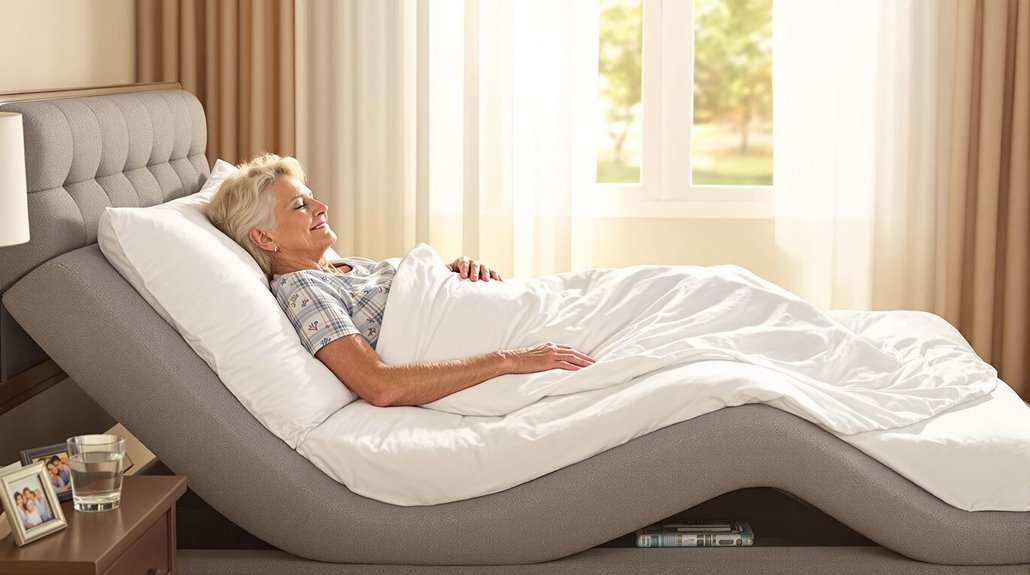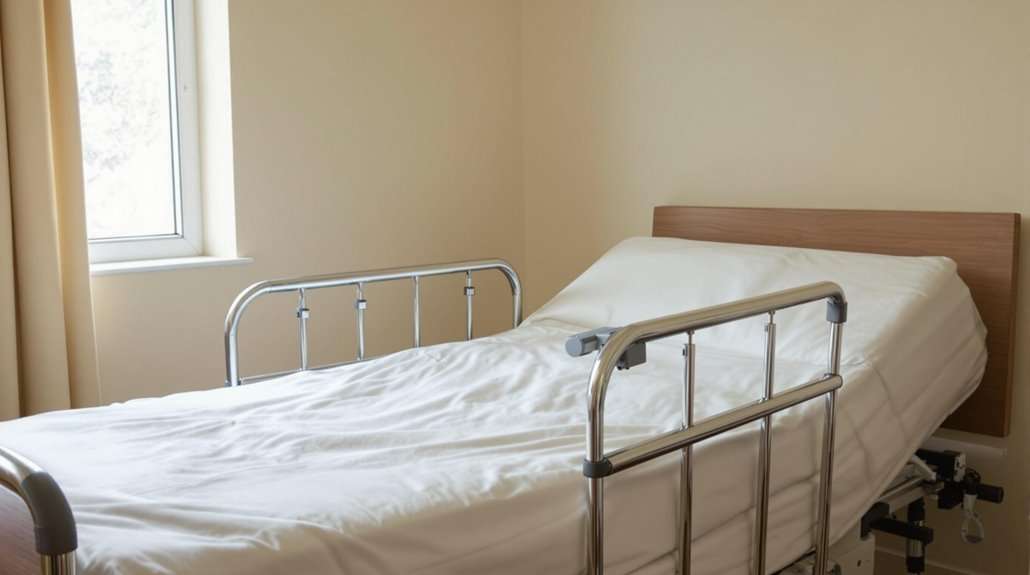



Improving senior bedroom safety involves multiple factors, including electrical cord management, bed and bedding safety, clutter prevention, and enhanced lighting. Securing cords along baseboards, using power strips, and installing closet lighting can reduce tripping hazards. A well-organized bedroom layout with clear pathways, adjustable furniture, and essential items within easy reach can also enhance safety. Additionally, using bedside barriers, snug-fitting bedding, and handrails can provide support and stability. By implementing these measures, seniors can substantially reduce the risk of falls and injuries. A thorough approach to senior bedroom safety can provide a safer and more supportive living environment.
📋✅
- Secure cords along baseboards and use power strips to reduce clutter and tripping hazards in the senior bedroom.
- Strategically place nightlights in key areas, such as hallways and bathrooms, to improve visibility and prevent accidents.
- Design a well-organized and accessible space to prevent clutter and obstructions, prioritizing clear pathways for mobility aids.
- Use bedside barriers, such as pillows or foam bumpers, and install bed rails for additional support and safety.
- Develop a personalized emergency plan, including emergency contacts, evacuation routes, and medical information, to ensure preparedness.
Electrical Cord Management Tips
Implementing effective electrical cord management is essential for creating a safe senior bedroom environment. Cluttered cords can pose tripping hazards, and improper use can lead to electrical shock or fires. To guarantee electrical safety, it's essential to prioritize cord organization. Secure cords along baseboards, use power strips to reduce clutter, and keep cords tucked behind furniture to prevent tripping.
Regular checks on cords are also pivotal to identify damage and replace them if necessary. Minimizing the number of cords used in the bedroom can also reduce clutter. Labeling cords and using cable ties to secure loose ends can aid in organization. It is also important to unplug electrical appliances when not in use, as unused appliances can cause electrical fires. Guaranteeing clear pathways by keeping cords away from walkways is also essential. Ensuring that outlets are easily accessible can also help reduce the risk of electrical hazards. By taking these steps, caregivers can markedly reduce the risk of electrical hazards and create a safer environment for seniors. Effective cord organization is a critical aspect of electrical safety, and by implementing these strategies, caregivers can provide a more secure and comfortable living space for seniors.
Bed and Bedding Safety Precautions
When creating a safe and comfortable environment for seniors, careful consideration must be given to bed and bedding safety precautions. A safe bed and bedding setup can help prevent falls, injuries, and other accidents.
To guarantee bed and bedding safety, consider the following precautions:
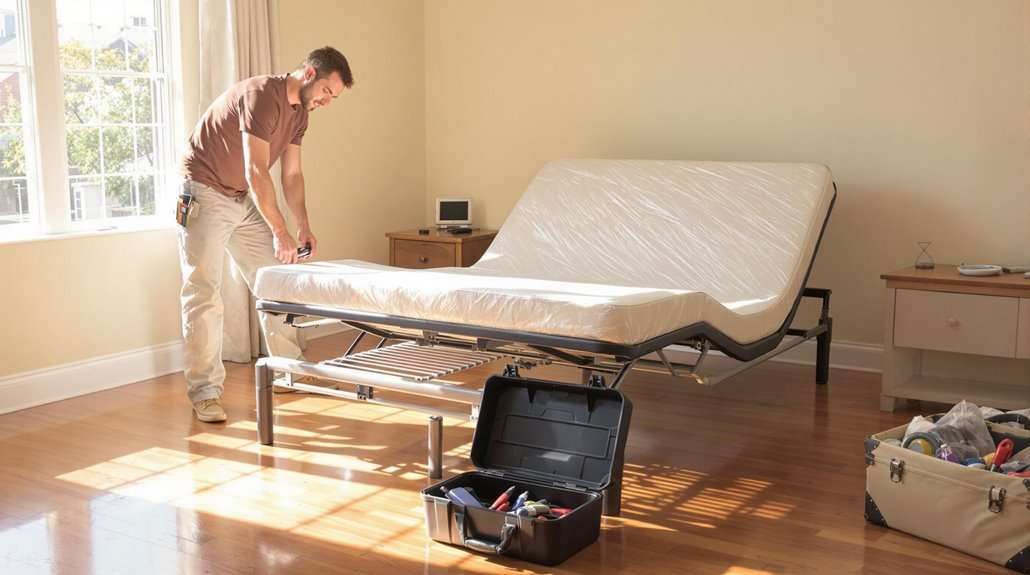
- Bedside barriers: Use pillows or foam bumpers as barriers to prevent rolling off the bed, and install bed rails for additional support and safety.
- Mattress maintenance: Regularly inspect and maintain the mattress to confirm it is comfortable and firm, and replace old or saggy mattresses to prevent sagging and difficulty getting out of bed.
- Snug-fitting bedding: Choose bedding that is snug-fitting and soft to minimize tangling and tripping hazards, and maintain regular cleaning and hygiene of bedding to prevent infections and respiratory issues.
A functional bedroom setup also contributes to overall bedroom safety by ensuring proper furniture placement for easy movement.
To ensure optimal bed height for seniors, the bed should be adjusted so that their feet are flat on the floor and knees are level with hips.
Preventing Clutter and Obstructions
A vital aspect of senior bedroom safety involves removing tripping hazards and organizing the bedroom layout to prevent accidents and guarantee easy navigation. A clutter-free environment can substantially reduce the risk of falls and injuries, while a well-planned layout can improve mobility and independence. By implementing simple and effective strategies, caregivers and family members can create a safe and supportive space that promotes overall well-being and enhances the quality of life for seniors. Vision changes can significantly affect nighttime navigation, even in bedrooms equipped with adequate lighting. Installing motion-activated night lights can provide additional support and enhance visibility.
Removing Tripping Hazards
Tripping hazards pose a significant threat to senior bedroom safety, and cluttered environments can exacerbate this risk. Elderly individuals are more susceptible to injuries resulting from falls, making it vital to address floor safety concerns in their bedrooms.
One effective approach to mitigating elderly risks is to clear floor space by removing loose rugs, clutter, and securing electrical cords along baseboards. This not only enhances floor safety but also contributes to a clutter-free environment. The World Health Organization reports that adults suffer the greatest number of fatal falls at an age older than 65 years, further emphasizing the importance of addressing tripping hazards. Additionally, research has shown that age-related vision issues, such as vision changes, can affect depth perception and peripheral vision, increasing the risk of falls.
Essential Floor Safety Measures:
- Secure Rugs and Mats: Use non-slip pads or double-sided tape to secure rugs, and place non-slip mats near the bed and along walking paths.
- Clear Clutter: Regularly declutter the bedroom to guarantee clear pathways and prevent tripping hazards.
- Inspect Flooring: Regularly inspect flooring for loose boards, curled edges on carpets, or slippery rugs to guarantee floor safety.
Organizing Bedroom Layout
Senior bedroom safety extends far beyond addressing tripping hazards; it also entails designing a well-organized and accessible space. Organizing the bedroom layout is vital to prevent clutter and obstructions, ensuring senior comfort and mobility. A well-planned layout should prioritize clear pathways, making it easy to navigate the room with mobility aids like walkers or wheelchairs.
Furniture placement plays a significant role in this regard. Place essential items, such as medications and a phone, within easy reach of the bed. Consider using adjustable or modular furniture to optimize space, especially in corner spaces that can be converted into useful storage areas. Remove items that can go elsewhere to clear space, and organize frequently used items in accessible locations to reduce stretching and bending. Utilize bins or baskets to store similar items near the bed. By maintaining a clutter-free and well-organized space, seniors can enjoy a safe and comfortable living environment, with reduced risk of falls and injuries. This thoughtful approach enables caregivers to support seniors in maintaining their independence and quality of life. The website's security is ensured by utilizing services like Cloudflare security solutions to protect against potential threats. A secure online presence is also crucial, as evidenced by the importance of website accessibility in preventing automated security blocks.
Improving Lighting and Visibility
Effective lighting is vital for preventing accidents and enhancing overall senior bedroom safety, particularly during nighttime hours. Strategic placement of nightlights in key areas, such as hallways and bathrooms, can notably improve visibility and reduce the risk of falls. Closet lighting is another important consideration, as it can help illuminate storage areas and reduce the likelihood of tripping or disorientation when accessing clothing or personal items. Installing handrails in key areas can also provide added support and stability, further contributing to a safer bedroom environment.
Using Nightlights Effectively
Nighttime navigation can be a formidable task, especially in unfamiliar or poorly lit environments. For seniors, fall prevention is a significant concern, and effective nightlight placement can play a vital role in reducing this risk. Strategically placed nightlights can provide a soft, warm glow, illuminating high-risk areas and facilitating safe navigation.
Nightlights can improve sleep quality and ability to rest and move around safely at night by providing adequate lighting levels.
1. Prioritize high-risk areas: Focus on installing nightlights in areas prone to falls, such as bathrooms, kitchens, and staircases. Bathrooms benefit from multiple nightlights, one near the door and another near the toilet and sink.
2. Choose the right type of nightlight: Dusk-to-dawn and motion sensor nightlights are preferred for their energy efficiency and safety features. Red light nightlights are less disruptive to sleep patterns and suitable for bedrooms.
The falls are the leading cause of injury-related deaths among seniors, resulting in 2.8 million reported cases annually.
3. Consider durability and maintenance: Regular maintenance and proper installation are essential for the effectiveness of nightlights. Features like shatter-proof designs and battery backup guarantee consistent safety and minimize the risk of accidents.
Installing Closet Lighting
In addition to using nightlights effectively, providing adequate lighting within closet spaces is essential for preventing falls and maintaining visibility, particularly for seniors who may experience diminishing eyesight or have difficulty traversing through dimly lit areas.
When selecting closet lighting, consider LED options for their low heat emission and energy efficiency. The following table highlights key considerations for closet lighting placement:
| Lighting Type | Clearance Requirement | Safety Considerations |
|---|---|---|
| Surface-mounted incandescent or LED | 12 inches above door or ceiling | Verify completely enclosed lamps |
| Surface-mounted fluorescent | 6 inches above door or ceiling | Minimize heat exposure to flammable materials |
| Recessed incandescent or LED | 6 inches in wall or ceiling | Use fully enclosed light fixtures |
Regular inspection and maintenance of closet lighting are vital to prevent malfunctions and guarantee safety. When installing closet lighting, consult the International Residential Code (IRC) to minimize fire hazards. Closet lighting fixtures, such as surface-mounted luminaires, rated for closet storage space require 0 in. clearance. By providing adequate closet lighting and promoting safe lighting practices, caregivers can help prevent accidents and create a more secure environment for seniors. Proper lighting can significantly reduce the risks of falls and accidents within the home, especially in areas with high traffic.
Safe Furniture and Layout Options
Creating a safe and supportive environment in a senior's bedroom begins with careful consideration of the furniture and layout. The goal is to create a space that promotes independence, mobility, and comfort while minimizing the risk of falls and injuries.
When selecting furniture, prioritize stability and security. Opt for pieces with a wide base to prevent tipping, and choose chairs and beds with sturdy frames. Consider ergonomic chairs with lumbar support and comfortable cushioning to promote relaxation and reduce strain.
Vision changes, such as vision loss, can contribute to fall risk, making it essential to ensure the bedroom is well-lit and free from obstacles.
- Stable and Secure Furniture: Choose furniture with a wide base to prevent tipping, and opt for chairs and beds with sturdy frames.
- Ergonomic Design: Select chairs with lumbar support and comfortable cushioning, and use beds with adjustable height settings.
- Senior Storage: Incorporate storage furniture with easy-glide drawers and consider multi-functional furniture to maximize space and reduce clutter.
Adjustable heights and easy-to-reach storage make furniture safe and user-friendly.
Preparing for Emergency Situations
While a well-designed bedroom layout can substantially reduce the risk of accidents and injuries, unforeseen events can still occur, emphasizing the importance of being prepared for emergency situations. Situational awareness is pivotal in emergency preparation, enabling individuals to respond effectively in crisis situations. Developing a personalized emergency plan is essential, including identifying emergency contacts, evacuation routes, and medical information.
To complement the emergency plan, building an emergency kit with essential supplies, such as non-perishable food, water, medications, and a first aid kit, is imperative. The kit should also include personal items, such as hearing aids, glasses, and mobility aids. Staying informed and connected through emergency alerts, a battery-powered radio, and a communication plan is also critical. Considering special needs and equipment, such as power outages and medical supplies, is essential to guarantee exhaustive emergency preparation. Seniors should prioritize emergency preparedness to address their unique challenges during emergencies. Clearing the home of tripping hazards can prevent falls, highlighting the importance of fall prevention.
Frequently Asked Questions
What Is the Ideal Bedroom Temperature for Seniors to Maintain Comfort and Safety?
Maintaining a bedroom temperature between 65 to 78 degrees Fahrenheit is ideal for senior comfort and safety, allowing for effective temperature regulation to prevent hypothermia, dehydration, and related health issues, promoting restful sleep and overall well-being.
Can I Deduct Senior Bedroom Safety Improvements From My Taxes as a Medical Expense?
A safe bedroom is worth a million dollars, but fortunately, you don't have to break the bank. Tax relief options are available, and certain senior bedroom safety improvements can be deducted as medical expense benefits.
How Often Should Caregivers Inspect a Senior's Bedroom for Potential Safety Hazards?
Caregivers should inspect a senior's bedroom regularly, ideally every 3-6 months, to assess clutter control, identify new fall risks, and address any other emerging safety hazards, ensuring a safe and supportive living environment.
Are There Any Certified Professionals That Specialize in Senior Bedroom Safety Assessments?
According to the National Council on Aging, falls are the leading cause of injury among seniors. Certified professionals, such as geriatric care managers, occupational therapists, home safety specialists, and CAPS, serve as safety auditors and home assessors to evaluate senior bedroom safety.
Can Senior Bedroom Safety Modifications Impact a Home's Resale Value?
Senior bedroom safety modifications can influence resale value, emphasizing the importance of design considerations that balance functionality with aesthetics, and resale priorities that cater to a broader audience while maintaining adaptability and universal appeal.
By implementing these safety measures, senior bedrooms can be transformed into havens of comfort and security. Like a gentle shield, cord management, bed and bedding precautions, clutter prevention, improved lighting, safe furniture, and emergency preparedness wrap around the elderly, protecting them from harm's dark specter. As the twilight years unfold, these safeguards shine like beacons, illuminating a path to peaceful slumber, free from the shadows of risk and uncertainty.