
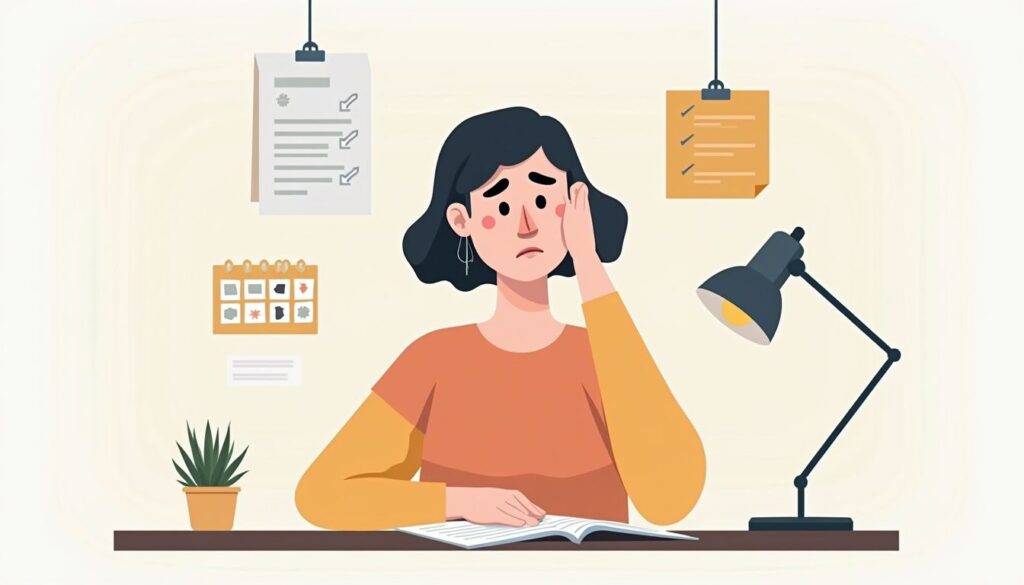


Many caregivers struggle to know when they should seek professional help for mental health issues. Studies show that signs like ongoing sadness, anxiety, or major changes in behavior point to a need for intervention and support.
This post will help you spot the warning signs and guide you to therapy, counseling, and treatment options that improve emotional wellbeing. Find out how to best support your loved ones and yourself.
📋✅
- Signs like persistent sadness, anxiety, or changes in behavior lasting more than two weeks may signal a need for professional mental health support.
- Common conditions such as depression, anxiety disorders, and PTSD often require early intervention to prevent symptoms from worsening.
- Caregivers should watch for withdrawal from social groups and loss of interest in activities as clear warning signs someone needs help.
- Seeking therapy or counseling early can improve coping strategies, relationships, and overall emotional well-being.
- Stigma around mental health can delay treatment; open family discussions make it easier to get the right support quickly.
Understanding Mental Health
Mental health involves our emotional and psychological well-being. Many people experience challenges like anxiety and depression at some point in their lives.
Definition
Mental health refers to our emotional, psychological, and social well-being. It affects how we think, feel, and act in daily life. Good mental health helps us cope with stress, relate to others, and make choices.
Various conditions can impact mental wellness, including anxiety and depression.
Signs of emotional distress often include persistent sadness or feelings of hopelessness. Individuals may also struggle with intense worry or anxiety that disrupts their daily activities.
When you notice these changes in a loved one or yourself for more than two weeks, it may be time to seek professional help through therapy or counseling. Recognizing these warning signs is crucial for effective intervention before issues worsen.
Common Mental Health Conditions
Many caregivers encounter common mental health conditions that people experience. These include anxiety disorders, depression, and post-traumatic stress disorder (PTSD). Anxiety can lead to intense worry or fear that disrupts daily life.
Depression often brings persistent sadness or hopelessness. It affects both mood and physical health.
People may also struggle with PTSD after experiencing trauma. Symptoms include flashbacks, emotional numbness, and heightened anxiety. Recognizing these signs helps caregivers identify when their loved ones need support.
Seeking help early leads to better coping strategies and improved psychological health for everyone involved. Understanding these common conditions sets the stage for recognizing when it’s time to seek professional help.
Signs of Mental Health Issues
Signs of mental health issues can manifest in various ways. Caregivers should watch for persistent feelings of sadness or hopelessness. Intense anxiety or worry often indicates a deeper problem.
Individuals who struggle with loss or trauma may find it hard to cope. Changes in behavior, such as losing interest in once-enjoyed activities, also serve as warning signs.
Withdrawal from social groups might suggest someone needs support. Two weeks of noticeable changes in thoughts, moods, or behaviors can mean it’s time to seek professional help. Difficulty regulating emotions and poor physical health can further highlight the need for intervention and therapy.
Understanding these signs is crucial for proper diagnosis and timely support options available through counseling and therapy services.
Signs It’s Time to Seek Professional Help
Many people struggle with intense feelings of sadness or anxiety. They may notice changes in their behavior or withdraw from friends and family, signaling a need for professional support.
Persistent feelings of sadness or hopelessness
Persistent feelings of sadness or hopelessness can signal deeper issues. Caregivers should take these emotions seriously. If someone experiences excessive sadness for two weeks or more, it may indicate a need for professional help.
This feeling often disrupts daily life and affects relationships. Losing interest in activities that once brought joy is another sign that therapy could be beneficial. Families must act quickly if they suspect emotional distress, as early intervention plays a key role in recovery.
Intense anxiety or worry can also arise alongside these persistent feelings.
Intense anxiety or worry
Intense anxiety or worry can overwhelm daily life. Caregivers might notice these feelings affecting their loved ones. Constant worry may lead to emotional distress, making it hard for a person to function well.
Poor physical health and disrupted productivity often follow intense anxiety.
Support is crucial in such situations. Families need to act when they observe signs of severe anxiety lasting two weeks or more. Seeking therapy can equip individuals with coping strategies tailored for their needs.
Early intervention can greatly improve mental wellness and strengthen relationships within the family too.
Difficulty coping with loss or trauma
Coping with loss or trauma can be very challenging. Feelings of sadness and hopelessness often linger long after the event. Families should pay close attention to their loved ones during these times.
Losing interest in activities you once enjoyed signals a need for help. Engaging in self-injury behaviors like cutting shows that professional intervention may be necessary. Consistent excessive worries about the future can interfere with daily life, making it hard to manage work.
When someone experiences difficulty regulating emotions, seeking therapy becomes crucial for psychological health. Signs such as disrupted productivity and poor physical health cannot be ignored.
These patterns indicate that emotional distress requires support from professionals who understand mental wellness terminology and coping strategies. Timely action can promote better relationships and overall well-being among caregivers and those they care for.
Changes in behavior or habits
Changes in behavior or habits often signal an underlying issue. Caregivers should pay attention to any shifts. A person withdrawing from social groups can indicate emotional distress.
Losing interest in hobbies may also show a need for professional help and therapy. Two or more weeks of these changes might suggest worsening mental health.
Individuals may struggle with regulating emotions during this time. They could show signs of increased anxiety or worry, leading to disrupted productivity. Families who notice these patterns should not hesitate to seek treatment early on.
Effective coping strategies can emerge through counseling and support, enhancing overall wellbeing significantly.
Withdrawal from social groups
Changes in behavior or habits can lead to withdrawal from social groups. Many people struggling with mental health issues often pull away from friends and family. This shift can indicate a deeper problem that requires professional help.
Feeling detached from loved ones is not normal, especially if it lasts for two weeks or more.
Caregivers may notice these signs when their loved ones stop participating in activities they once enjoyed. They might isolate themselves at home instead of engaging with others. Such patterns signal emotional distress and potential mental wellness concerns.
Seeking therapy can provide support and guidance during these challenging times, helping individuals reconnect socially while improving their overall well-being.
How to Seek Professional Help
Finding a therapist can feel overwhelming, but many online resources simplify the search. Once you identify someone who fits your needs, schedule an appointment to start the process of healing.
Finding a therapist
Look for a therapist who matches your needs. Start by asking friends or family for recommendations. Many people find comfort in speaking with someone they trust. You can also search online directories that list mental health professionals in your area.
Consider the therapist’s qualifications and experience. Some specialize in emotional distress, while others focus on specific conditions like anxiety or trauma. Check if they offer therapy styles that appeal to you, such as counseling methods or coping strategies.
Scheduling an appointment is the next step; make sure it fits into your routine comfortably. Seeking help from a professional can improve psychological health and overall well-being significantly.
Making an appointment
Making an appointment is a crucial step in seeking professional help. Families should act quickly if they notice changes in behavior, emotions, or habits. It may take time to find the right therapist or counselor who fits your needs and preferences.
Use online resources or ask trusted friends for recommendations to start your search.
Once you identify potential providers, contact them directly to schedule an appointment. Many therapists offer initial consultations that can help ease concerns about entering therapy.
Be open about what you have observed and how emotional distress affects daily life. This honest communication helps therapists assess psychological health better from the beginning of treatment.
Seeking early intervention improves mental wellness significantly and leads to effective coping strategies over time.
Dealing with the stigma of seeking help
Stigma can make seeking help feel challenging. Many people worry about how others will judge them for reaching out. Caregivers often notice that loved ones experience emotional distress but hesitate to seek therapy due to fear of being labeled.
This stigma impacts mental wellness and delays necessary intervention.
Support from family is crucial in breaking down barriers. By fostering open discussions about psychological health, caregivers can encourage those around them to express feelings freely.
Sharing personal experiences can also make a difference; it shows that asking for counseling is a sign of strength, not weakness. Recognizing the need for help early improves overall well-being and fosters healthier coping strategies moving forward.
Types of treatment options
Dealing with the stigma of seeking help can be challenging. Caregivers need to know about various treatment options for their loved ones. Therapy is one popular choice. It provides a safe space to express feelings and thoughts, helping manage emotional distress.
Support from a counselor or therapist allows individuals to work through issues like trauma, loss, or anxiety.
Counseling also offers different approaches to mental wellness. Cognitive-behavioral therapy (CBT) focuses on changing negative thought patterns that affect behavior and mood. Medication may complement therapy in some cases; it helps regulate emotions during tough times.
Other treatments include support groups and workshops that strengthen coping strategies within communities. Identifying these options can lead to improved psychological health and overall well-being for those struggling with mental health issues.
The Benefits of Seeking Help Early
Seeking help early can lead to better mental health outcomes. You will develop stronger coping strategies and improve your relationships.
Improved mental health
Therapy can significantly improve mental health. Early intervention makes a difference. Caregivers observing changes in a loved one’s mood should seek help promptly. Two weeks of persistent sadness, anxiety, or emotional instability may signal the need for professional support.
Those struggling to cope with loss or trauma often benefit from counseling.
Many people report feeling better after starting therapy. They develop coping strategies and find new ways to manage their emotions. This progress boosts overall well-being and strengthens relationships too.
Families who recognize the signs and act quickly contribute positively to recovery journeys. Emotional distress does not have to define someone’s life; seeking help can lead to lasting change.
Better coping mechanisms
Coping mechanisms provide great support for managing emotional distress. Caregivers often benefit from learning effective strategies to handle stress and anxiety. Improved coping skills help them manage difficult feelings, like sadness or hopelessness.
These techniques also foster resilience during tough times.
Seeking professional help can introduce caregivers to these skills. Counselors or therapists offer guidance on practical methods and exercises that enhance mental wellness. Families who notice signs of deteriorating psychological health should act quickly in finding treatment options.
Early intervention leads to better outcomes for overall well-being and encourages a healthier approach to life’s challenges.
Improved relationships
Better coping mechanisms lead to improved relationships. Seeking professional help can enhance your connections with others. Emotional distress often affects how you interact with friends and family.
If you find yourself withdrawing from social groups, it may signal the need for support through therapy or counseling.
Therapy teaches effective communication skills too. As caregivers, understanding mental wellness makes a difference in relationships. Improved emotional health creates a positive ripple effect on those around you.
Stronger bonds can form when you manage stress better and express feelings openly. Prioritizing psychological health benefits not only you but also those who care about you deeply.
Overall well-being
Improved relationships contribute significantly to overall well-being. Emotional distress affects not only individuals but also their families. Difficulties in regulating emotions can lead to problems at work and home.
Seeking professional help early can bring about positive changes. It helps caregivers provide better support, enhancing the family’s mental wellness.
Recognizing patterns in thoughts and behaviors is essential for staying healthy. If someone loses interest in activities they once enjoyed, therapy might be needed. Professional support promotes effective coping strategies and improves psychological health.
Timely intervention boosts emotional resilience, leading to a more fulfilling life for everyone involved.
Recognizing when to seek professional help is essential. Many people struggle with mental health issues. Feelings of sadness, anxiety, or loss can signal a need for support. Acting early can lead to better outcomes and improved well-being.
Remember, seeking help is a strength, not a weakness. Prioritize your mental health and reach out today.
FAQs
1. How can I recognize emotional distress that may need professional support?
Notice if you feel sad, anxious, or overwhelmed for a long time. If these feelings disrupt daily life or relationships, it is a sign to seek therapy or counseling.
2. When should I consider counseling for my psychological health?
If coping strategies like selfcare and talking with friends do not help your wellbeing, or if stress grows stronger, consider professional intervention.
3. What are signs that crisis management by a mental wellness expert is needed?
Seek immediate help when you have thoughts of hurting yourself or others; cannot manage daily tasks; or face sudden changes in mood and behavior.
4. Why does early support matter for mental wellness?
Getting help early improves recovery chances and protects psychological health before problems become harder to manage.
5. Can therapy improve both short-term and long-term wellbeing?
Yes, therapy offers tools for handling current challenges and builds skills to maintain lasting mental wellness through ongoing support.