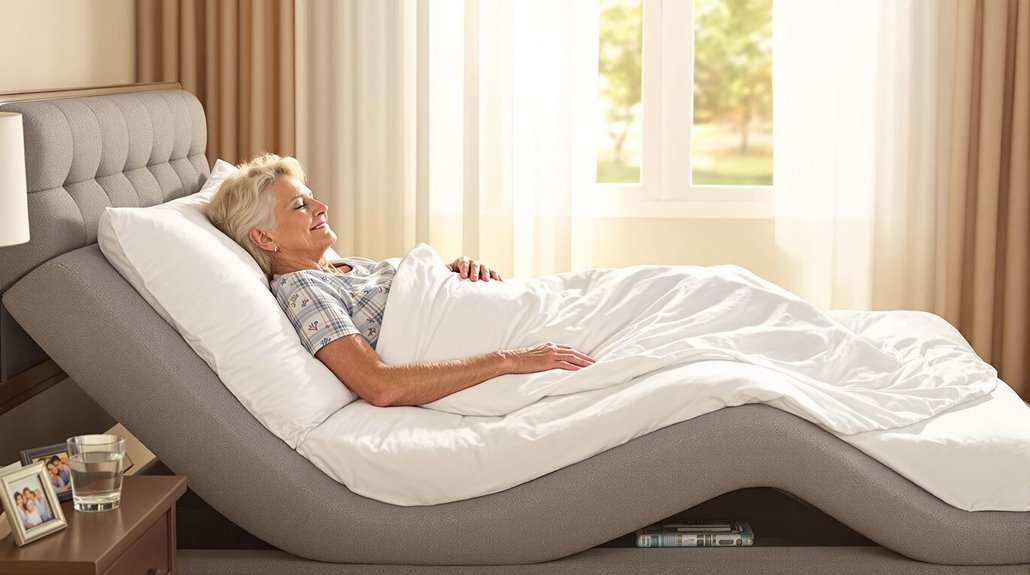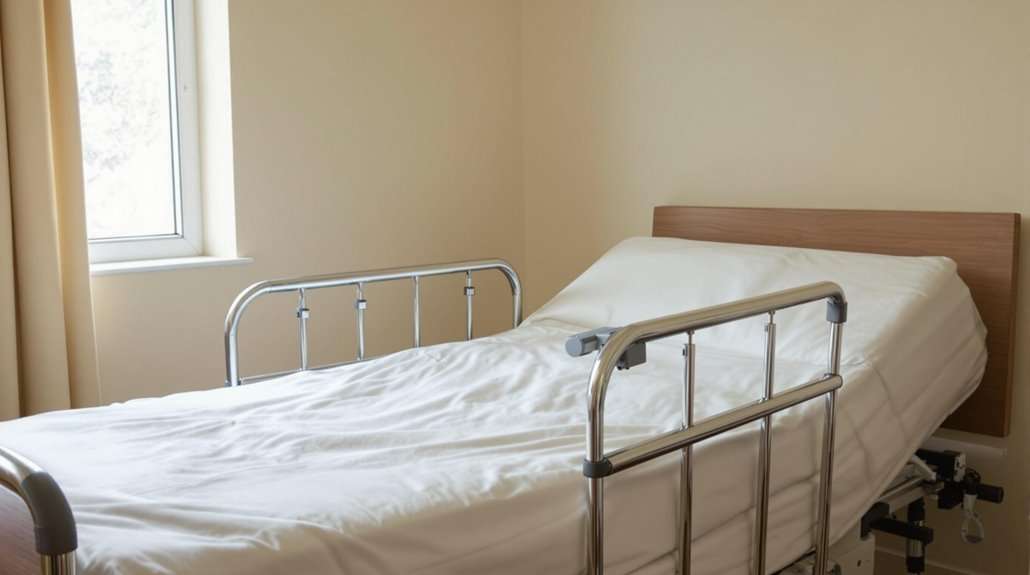



Preventing accidents in a senior's bedroom requires a multifaceted approach that addresses common hazards and optimizes the physical environment. Removing clutter and tripping hazards, ensuring bed and furniture safety, and improving lighting and visibility are vital steps. Installing grab bars, bed rails, and non-slip flooring can provide additional support and stability. Regular safety checklists can help identify potential hazards, such as inadequate lighting and unstable furniture. By taking these proactive measures, you can substantially reduce the risk of accidents and create a safer, more comfortable environment for your loved one, and discover even more ways to enhance their well-being.
📋✅
- Remove clutter and secure items in storage locations to prevent tripping hazards and guarantee clear pathways in the bedroom.
- Enhance overall lighting by replacing dim or burnt-out bulbs with energy-efficient CFL or LED bulbs and adding windows or skylights.
- Installing grab bars, bed rails, and non-slip flooring provides additional support and stability to prevent falls and accidents.
- Place frequently used items within easy reach to reduce straining and bending, promoting accessibility and independence.
- Develop a thorough emergency response plan with clear instructions and essential contact information to quickly respond to accidents.
Improve Lighting and Visibility
One essential step in preventing accidents in a senior's bedroom is to enhance overall lighting. Ambient lighting plays a pivotal role in illuminating the space, reducing the risk of tripping and falling. Replacing dim or burnt-out bulbs with new, energy-efficient CFL or LED bulbs can notably improve visibility. Additionally, consider adding windows or skylights to increase natural light in the bedroom, creating a brighter and safer environment.
Smart illumination solutions can also be implemented to safeguard the senior's safety. Installing automated lighting systems with motion sensors can guarantee lights are always on when needed. This can be particularly helpful for seniors with limited mobility or those who may forget to turn on lights. Moreover, using adjustable lighting such as dimmer switches can help control the brightness, reducing eye strain and improving overall comfort. By prioritizing ambient lighting and smart illumination, caregivers can create a safer and more supportive environment for seniors, reducing the risk of accidents and promoting independence. Regularly cleaning windows and skylights can also help to maximize natural light and create a more welcoming atmosphere. A senior home safety checklist should also include bed height and rails as a necessary safety measure to prevent accidents.
Clear Clutter and Tripping Hazards
Enhancing lighting and visibility in a senior's bedroom is a significant step in preventing accidents, but it is equally important to address the physical environment and remove any obstacles that could cause tripping or falling. Effective clutter control is essential to minimize floor hazards and guarantee a safe living space.
Some key measures to weigh when clearing clutter and tripping hazards include:
- Remove obstacles: Clear floors and hallways of objects like shoes, books, and magazines to prevent tripping.
- Secure items: Store items like cleaning supplies and linens in secure locations to prevent them from becoming floor hazards.
- Organize furniture: Arrange furniture to allow for safe and unobstructed movement around the room. Adults often lose their balance due to Falls Within The Home.
- Eliminate loose rugs: Secure rugs with double-sided tape or remove them to prevent tripping.
- Manage cords and cables: Use cable organizers to keep electrical cords out of walking paths and secure them with cable clips or tape.
Vision plays a critical role in avoiding tripping hazards, and seniors should maintain regular eye exams to detect any age-related Vision Changes.
Ensure Bed and Furniture Safety
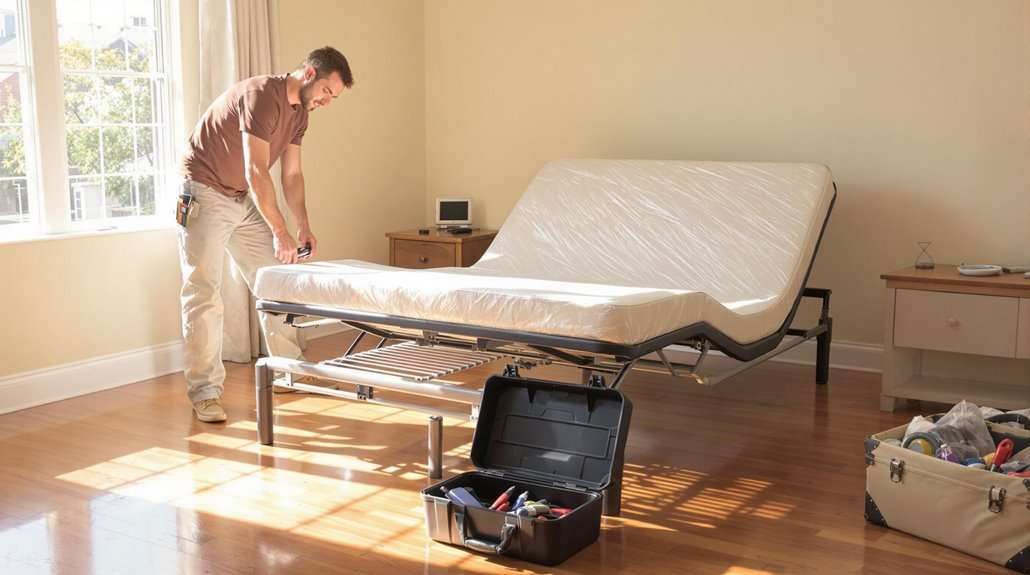
For seniors, a safe and accessible bed is vital for preventing accidents and injuries in the bedroom. Adjustable bed heights can substantially reduce the risk of falls by allowing seniors to easily get in and out of bed, while sturdy furniture options, such as nightstands with stable bases, can provide additional support and balance. Regularly inspecting cords from devices for fraying or damage can also help prevent electrical fires. By prioritizing bed and furniture safety, caregivers and seniors can create a secure and comfortable sleeping environment that promotes independence and well-being. Effective lighting arrangement, including the use of motion-sensor nightlights, can further minimize fall risks and enhance overall bedroom safety.
Adjustable Bed Heights
In the pursuit of creating a safe and accessible bedroom environment for seniors, adjustable bed heights play a crucial role. A key Bed Safety Tip is ensuring the bed height falls within the recommended range of 20 to 23 inches, allowing seniors to easily swing their legs over the side and stand up with minimal strain. This Elevated Comfort not only supports independence but also minimizes the risk of falls.
The benefits of adjustable bed heights can be further enhanced with additional features, including:
- Adjustable heights to accommodate different individual needs and preferences
- Tilting edges for easy entry and exit
- Side rails for added support and fall prevention
- Customization options for couples or seniors with different height requirements
- Integration with bed step options for a seamless and secure transfer in and out of bed
Lowering mattress through frame or box spring adjustments is also an effective way to minimize fall risks.
Each year, 800,000 hospitalizations occur due to fall injuries among the elderly, making the importance of proper bed height adjustment even more critical.
Sturdy Furniture Options
While adjustable bed heights substantially contribute to a senior's safety and independence, the overall safety of the bedroom environment also relies heavily on the selection and placement of sturdy furniture. Furniture durability is paramount to prevent accidents and guarantee a senior's well-being. When selecting furniture, consider stable construction, weight capacity, non-tip designs, and durable materials. Regular inspections are also vital to identify signs of instability or damage.
To guarantee bed and furniture safety, prioritize furniture with high safety ratings. Look for products with protective features, such as sharp edge protection and grab bars. Sturdy nightstands and easy-to-reach storage spaces can also prevent accidents. A website's security, such as that ensured by Cloudflare security solutions, should not be the only consideration for safety. Adequate lighting and non-slip solutions, like mats or pads, can further reduce the risk of falls. By carefully selecting and placing sturdy furniture, caregivers can create a secure and supportive environment that fosters a senior's independence and confidence. Proper lighting for mobility also plays a crucial role in accident prevention as it reduces the risk of tripping over non-slip rugs and other obstacles. By combining these measures, caregivers can markedly reduce the risk of accidents and promote a senior's overall well-being.
Optimize Storage and Accessibility
Creating a safe and accessible bedroom environment for seniors requires thoughtful consideration of storage and organization. Effective storage solutions can greatly reduce the risk of accidents and injuries by minimizing clutter and tripping hazards. Accessible shelves and storage units can also promote independence by enabling seniors to easily retrieve and use essential items.
To optimize storage and accessibility in a senior's bedroom, consider the following strategies:
- Place frequently used items on nightstands or wall-mounted shelves to reduce reaching and bending.
- Utilize drawers and closets with easy-to-reach and simple-to-open mechanisms to store clothing and essential items.
- Remove clutter to prevent tripping hazards and guarantee clear pathways in the bedroom.
- Consider installing storage units with grab bars or handles for additional support.
- Store heavy items at lower levels to prevent accidents from heavy lifting.
- Using bright bulbs in ceiling fixtures and bedside lamps can also improve visibility and reduce the risk of tripping and falling.
A well-designed bedroom also has a significant impact on a senior's mood and well-being.
Prepare for Emergency Response
Preparing for emergency response in a senior's bedroom is a critical aspect of guaranteeing their safety and well-being. Effective emergency planning involves implementing various strategies to facilitate timely and effective response in the event of an accident. One vital measure is the installation of emergency communication systems, such as medical alert systems and wireless bed alarms, which enable seniors to quickly summon assistance in emergencies.
To complement these systems, caregivers should develop a thorough emergency response plan that outlines clear instructions for responding to accidents. This plan should include essential contact information, emergency procedures, and the location of emergency supplies, such as flashlights and first aid kits. Response strategies should prioritize the senior's safety and comfort, while also addressing any specific needs or requirements. Ensuring accurate bed height is also crucial, with knees at a 90-degree angle to prevent falls when getting out of bed. Additionally, installing handrails in key areas, such as the bathroom and stairways, can provide added support and prevent accidents. Regular review and updating of the emergency response plan will help confirm its effectiveness and the senior's continued safety. By adopting proactive emergency planning measures, caregivers can minimize the risk of accidents and provide seniors with a secure and supportive environment.
Utilize Assistive Devices and Aids
In the pursuit of creating a safe and supportive environment for seniors, assistive devices and aids play a vital role in preventing accidents and promoting independence in the bedroom. Bed aiding devices, such as bed rails, hospital beds, and transfer poles, are effective safety solutions that help to prevent falls and provide secure support for seniors with limited mobility.
Some of the essential assistive devices to evaluate include:
- Adjustable bed rails for customized safety and comfort
- Stand-assist devices that support lifting from seats to standing positions
- Transfer boards for smooth transfers from bed to chair or wheelchair and back
- Leg lifters that assist in lifting legs into bed, reducing strain
- Bedside tables that provide a stable surface for essentials and support
Additionally, hospital beds with moveable head and foot sections can also be customized to meet the specific needs of a senior. Seniors can regain confidence and independence with the help of these assistive devices, improving their overall quality of life.
Consider Additional Safety Factors
As caregivers, it's vital to recognize that even with assistive devices and aids in place, there may still be hidden hazards in a senior's bedroom that require attention. To prioritize fall prevention, it's essential to methodically assess the bedroom environment to identify potential risks that may not be immediately apparent. By taking a proactive and meticulous approach, caregivers can help mitigate these risks and create a safer and more supportive space for seniors.
Identifying Hidden Hazards
Numerous hidden hazards can be present in a senior's bedroom, posing significant risks to their safety and well-being. These hidden dangers can be attributed to various factors, including electrical and fire hazards, furniture and clutter, lighting and visibility, and storage and mobility issues. Bedroom risks, if left unchecked, can result in accidents and injuries that may have long-lasting effects on a senior's quality of life.
Identifying hidden hazards is a vital step in creating a safe and comfortable living environment for seniors. Some key considerations include:
- Ensuring that electrical cords are hidden and out of walkways to prevent tripping and electrical shock
- Keeping the bedroom clutter-free to prevent tripping and falling
- Installing night lights in the bedroom and bathroom to enhance visibility at night
- Storing items in easy-to-reach locations to prevent overreaching and falling
- Securing all rugs and mats firmly to the floor to prevent slipping
Regular maintenance can help prevent carbon monoxide buildup in the home, which is especially important in bedrooms where seniors may spend a significant amount of time.
Adding railings to both sides of stairways leading to the bedroom can minimize fall risks.
Prioritizing Fall Prevention
Falls are a leading cause of injury among seniors, and the bedroom is a high-risk area where accidents can have devastating consequences. To mitigate these fall risks, it is essential to prioritize fall prevention by evaluating the bedroom environment and implementing safety measures.
Conducting regular safety checklists can help identify potential hazards, such as inadequate lighting, cluttered pathways, and unstable furniture. By addressing these issues, caregivers can substantially reduce the risk of falls. Installing grab bars, bed rails, and non-slip flooring can also provide additional support and stability.
Caregivers should also consider the senior's changing needs and update safety measures accordingly. Regular checks and reviews of the bedroom environment can help identify new fall risks and prevent accidents. To promote safe navigation, it is recommended to keep cords close to walls and avoid arranging them across walkways to minimize tripping hazards. By prioritizing fall prevention and taking proactive steps to address potential hazards, caregivers can create a safer and more supportive environment for seniors, reducing the risk of falls and promoting overall well-being. Over 36 million older adults fall each year, with 8 million resulting in injuries.
Frequently Asked Questions
What Are the Most Common Causes of Accidents in Senior Bedrooms?
Common causes of accidents in senior bedrooms include furniture hazards, such as unsecured furniture and beds with inadequate support, and slippery surfaces, including uneven flooring and loose rugs, which can lead to tripping and falling.
How Often Should I Inspect My Senior's Bedroom for Safety Hazards?
Like a guardian angel watching over, inspect your senior's bedroom daily for clutter control, weekly for organization, and monthly for a thorough fall risk assessment to prevent accidents, and annually to re-evaluate the overall safety layout.
Can I Use Smart Home Devices to Enhance Senior Bedroom Safety?
Utilizing smart home devices with voice activation and fall detection features can substantially enhance senior bedroom safety, providing caregivers with real-time alerts and enabling prompt assistance in the event of an emergency or accident.
Are There Any Specific Safety Concerns for Seniors With Dementia or Alzheimer's?
Seniors with dementia or Alzheimer's require increased caregiver vigilance to prevent accidents. Memory triggers such as familiar objects, photos, and routines can help create a sense of calm, reducing agitation and associated safety risks.
How Can I Balance Safety With Independence in a Senior's Bedroom?
Walking the tightrope between safety and independence, consider senior's private spaces and comfort zones when implementing assistance measures, thinking outside the box to maximize mobility and confidence while minimizing risk and potential hazards.
A senior's bedroom can be a haven, but it can also be a minefield of potential hazards. By taking proactive steps to improve lighting and visibility, clear clutter and tripping hazards, guarantee bed and furniture safety, optimize storage and accessibility, prepare for emergency response, utilize assistive devices and aids, and consider additional safety factors, the risk of accidents can be substantially reduced. A safe bedroom is a lifeline, anchoring seniors in a sea of uncertainty.