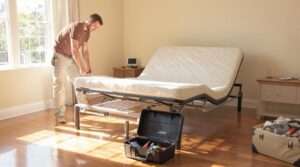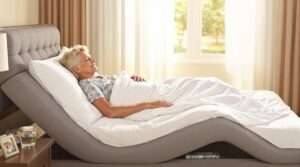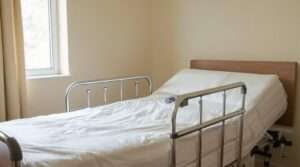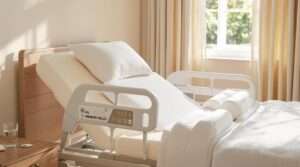



Organizing a bedroom for elderly safety requires a multifaceted approach that addresses various factors. Improving lighting and visibility with LED lights and motion sensors can help prevent falls and injuries. Enhancing bed safety features, such as installing bed rails and adjusting bed height, also reduces the risk of falls. Secure flooring and clutter removal are vital in creating a safe environment, while emergency preparedness measures like wearable medical alert devices guarantee timely assistance in case of an emergency. By taking a thorough approach to organizing the bedroom, caregivers can create a secure and accessible space, with many more subtleties to ponder.
📋✅
- Ensure adequate lighting throughout the room, using LED lights, motion-sensor lights, and nightlights to support comfortable navigation.
- Install bed rails, transfer poles, and adjust bed height to a comfortable level to prevent falls and enhance accessibility.
- Secure flooring, remove tripping hazards, and clear clutter and obstructions to promote safe mobility and prevent falls.
- Implement emergency call buttons, wearable medical alert devices, and sensor pad alarm systems to ensure timely assistance in case of an emergency.
- Organize the bedroom with pull-out bins, underbed storage, and accessible shelving to facilitate easy access to essential items and promote independence.
Improve Lighting and Visibility
As we age, our lighting needs evolve, and a well-designed lighting system becomes essential for safety, independence, and overall well-being. Bright Spaces, thoughtfully lit with senior vision in mind, can profoundly enhance the daily lives of elderly individuals. Effective lighting not only helps prevent falls and injuries but also supports comfortable navigation throughout the home.
LED lights with high-contrast colors and dimming options are excellent choices for creating senior-friendly lighting systems. Additionally, motion-sensor lights, night lights, and pathway lights provide necessary illumination in vital areas, such as stairways, bathrooms, and hallways. It's also vital to avoid glare, utilize cooler lights, and maintain regular lighting maintenance. Moreover, accessible switches, remote controls, and voice-activated lights can facilitate convenient control over lighting. Proper lighting can significantly reduce the risks associated with Deteriorating Vision. By thoughtfully addressing these lighting needs, caregivers can help elderly individuals maintain independence, mobility, and a sense of security, all while minimizing fall risks and promoting overall well-being.
In fact, increasing light levels within homes can reduce fall rates by 30% among older adults due to Improved Visibility.
Enhance Bed Safety Features
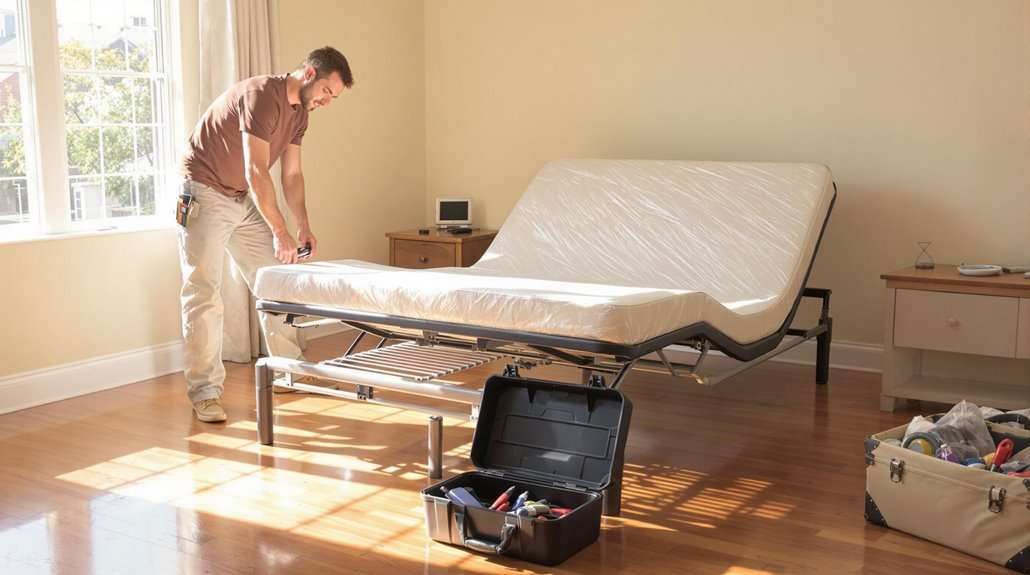
To create a safer sleeping environment for elderly individuals, it is essential to assess and modify the bed to prevent falls and injuries. Adjusting the bed height to a comfortable and accessible level, typically between 20 to 23 inches from the floor to the top of the mattress, can substantially reduce the risk of falls. Installing bed rails or transfer poles can provide additional support and stability for seniors when getting in and out of bed, enhancing overall bed safety. It is also crucial to clear the area around the bed of tripping hazards, such as oversized comforters. Regularly inspecting cords from devices like lamps and phones near the bed for fraying or damage can also help prevent electrical fires.
Adjusting Bed Height
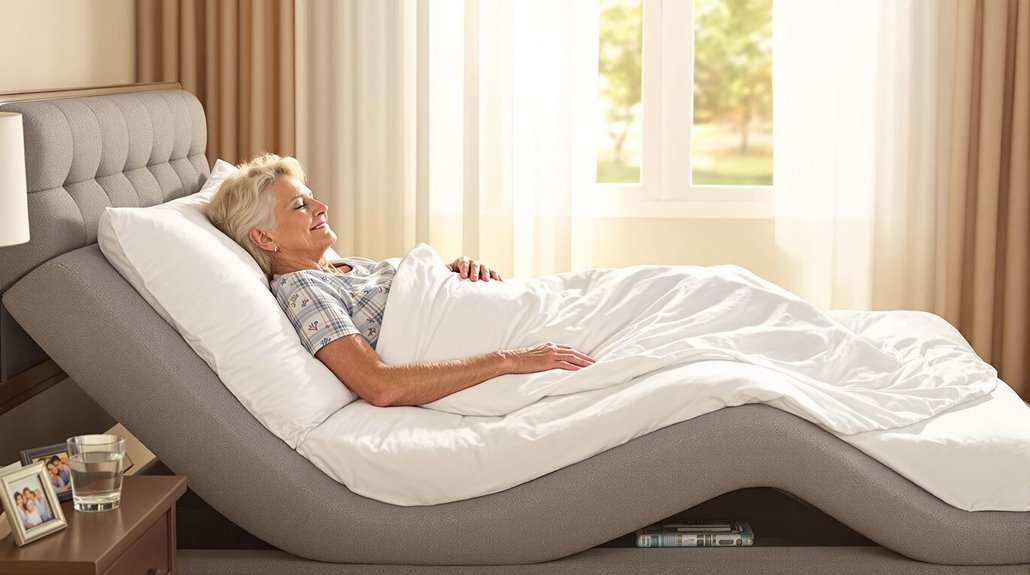
Bed height optimization plays a pivotal role in enhancing elderly safety, as proper bed height can substantially reduce the risk of falls and injuries among seniors. An ergonomic assessment is vital in determining the ideal bed height, which typically ranges from 20 to 23 inches. This height range accommodates most individuals and allows for easy entry and exit from the bed. To provide customized comfort, adjustable beds offer flexibility to tailor the height to individual needs, promoting safety and independence.
Techniques for adjusting bed height include using bed risers, low-profile box springs, and adjustable bed frames. When using adjustable beds, it is essential to follow the manufacturer's instructions for safe adjustments. Evaluating the room layout and using positioning aids can further enhance safety during bed transfers. Lowering the bed can be achieved by removing the box spring and replacing it with lower model options.
By prioritizing bed height optimization and implementing essential safety considerations such as keeping pathways around the bed clear and well-lit, caregivers can substantially reduce the risk of falls and injuries among seniors, promoting a safe and comfortable sleeping environment that supports independence and mobility. By incorporating ergonomic considerations and customized comfort, individuals can enjoy a restful and secure sleeping experience.
Installing Bed Rails
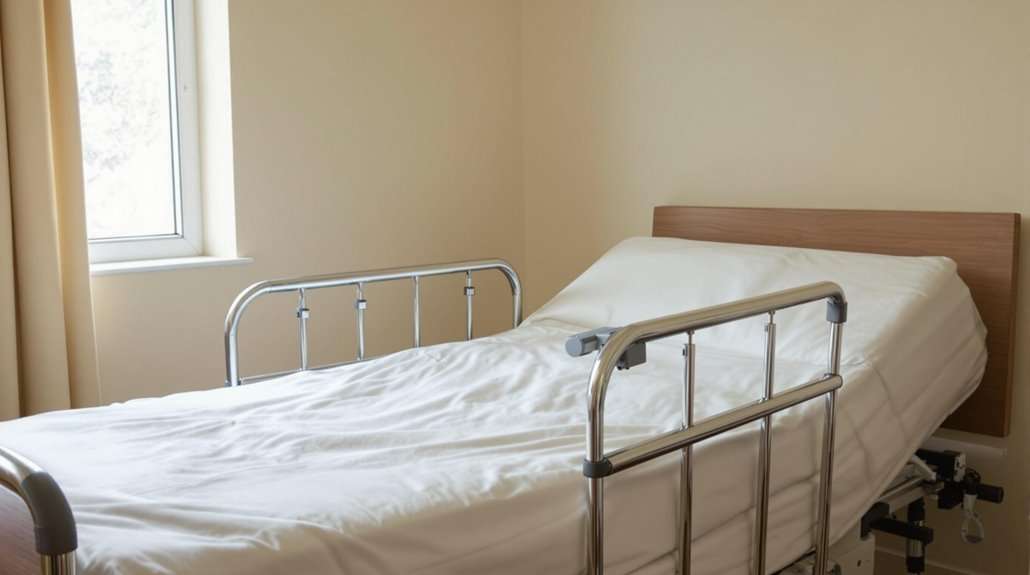
Enhancing bed safety features is a pivotal consideration in creating a secure sleeping environment for seniors. Installing bed rails is a paramount aspect of this endeavor, as it provides a physical barrier that prevents falls and supports seniors as they get in and out of bed.
When selecting bed rails, consider the following factors:
- Rail materials: Options range from heavy-duty steel to more flexible materials for ease of use.
- Customization options: Look for rails with adjustable height and width to accommodate individual needs.
- Safety features: Some rails come with safety lights, storage pockets, and additional safety straps for maximum stability.
- Installation requirements: Consider hiring a professional for proper installation and safety checks, which should only take around 10 minutes for a standard bed rail kit.
Bed rails are particularly beneficial for seniors with impaired mobility, as they provide the necessary support and assistance for safe entry and exit from the bed.
Secure Flooring and Remove Clutter
Secure flooring is a critical aspect of creating a safe bedroom environment for the elderly, as it can substantially reduce the risk of falls and related injuries. Removing tripping hazards, such as loose rugs or unsecured electrical cords, is a simple yet effective way to promote safe mobility. By choosing safe flooring options and eliminating tripping hazards, caregivers can help guarantee that seniors can move about their bedroom with confidence and independence. A clear path to essential areas, like the bathroom and door, is also essential for senior safety. Regularly assessing the bed height and adjusting it as necessary can contribute to a safer environment by ensuring the bed is at a comfortable height for easy entry and exit.
Remove Tripping Hazards
Clearing the bedroom of tripping hazards is a crucial step in creating a safe and accessible space for elderly individuals. With age, reflexes and vision may decline, making it more challenging to navigate obstacles. Effective floor planning and furniture arrangement are essential in preventing falls and guaranteeing a seamless shift between different areas of the room.
- Consider the following key strategies to remove tripping hazards:
- Regularly check floors for items like shoes, books, and other personal belongings that may pose a tripping hazard.
- Certify furniture is arranged to provide enough space to move around freely.
- Organize and declutter the room to prevent objects from being left on the floor.
- Install shelves or hooks to keep frequently used items off the floor.
- Securing area rugs with heavy-duty carpet tape can also help prevent falls by keeping them in place. Falls can significantly impact a senior's quality of life when they occur in their own home due to lack of safety measures.
Choose Safe Flooring
For many elderly individuals, the bedroom can be a haven of comfort and respite, but it can also pose paramount safety risks if the flooring is not carefully chosen. Selecting the right flooring options is vital to prevent slips, falls, and injuries. As a priority, seniors require flooring that is slip-resistant, easy to maintain, and provides ample traction.
Low-pile carpeting and cork flooring are excellent options, offering a balance between comfort and safety. These flooring types can cushion falls, reduce dirt accumulation, and are relatively easy to clean. Additionally, rubber and linoleum flooring are also suitable choices, providing non-slip surfaces and durability.
When choosing flooring, senior priorities should include reducing fall risks, ensuring comfort and mobility, and minimizing strain on maintenance. The CDC recommends using non-slip rugs or wax products for safer walking paths. One out of every four older Americans experiences a fall each year, emphasizing the importance of safe flooring options. Linoleum flooring is also a great choice for elderly homeowners due to its water-resistant properties. By prioritizing safe flooring options, caregivers and family members can create a secure and supportive environment for elderly individuals to thrive. By doing so, the risk of falls and injuries can be substantially reduced, promoting a safer and more independent living experience.
Optimize Accessibility and Mobility
When designing an elderly-friendly bedroom, understanding the importance of optimizing accessibility and mobility is crucial. Easy movement within the room, particularly in walk areas and sitting areas, substantially contributes to the overall safety of the elderly individual. A well-designed space can greatly reduce the risk of falls, injuries, and strain on the body.
Key considerations to enhance accessibility and mobility include:
- Installing transfer poles next to the bed for support when getting in and out of bed
- Ensuring adequate lighting throughout the room, especially in walk areas and under the bed
- Removing clutter and tripping hazards from the floor, securing cords behind furniture, and using non-slip mats or backing on throw rugs
- Adjusting the bed height to a safe range of 20-23 inches from the top of the mattress to the floor, allowing seniors to place their feet flat on the floor with knees level to their hips when sitting on the edge
- Consider using motion-activated night lights to illuminate the path to the bathroom or other frequently visited areas during the night. Circulation issues can lead to serious health risks, so take steps to prevent circulation issues by elevating legs and engaging in physical activity.
Prepare for Emergency Response
Numerous factors contribute to creating a safe and supportive environment for elderly individuals, and one essential aspect is preparing for emergency response. A well-planned emergency response system guarantees that seniors receive timely assistance in the event of an emergency, allowing for quick response and prevention of further harm.
A thorough emergency preparedness plan should include the implementation of emergency call buttons or devices within easy reach of the bed, programming emergency contacts into phones or medical alert devices, and using bedside phones with key phone numbers displayed or saved for quick dialing. Additionally, wearable medical alert devices that can be activated in case of a fall or other emergency should be considered, and consistent device charging must be safeguarded to prevent power outages.
Effective communication is also pivotal in an emergency response plan. Maintain a list of emergency contacts, regularly review and update emergency contact information, and store emergency numbers both in printed form and programmed into phones or other devices for quick access. Adequate lighting throughout the room is crucial to help seniors navigate safely, especially during nighttime, with the use of bright lights and nightlights. Arranging furniture to allow for easy navigation around the room is essential for accident prevention, and clear pathways must be maintained by removing obstacles such as loose rugs.
Organize Closet and Storage Space
Within the context of elderly safety, a well-organized closet and storage space plays a pivotal role in preventing accidents and promoting overall well-being. An efficiently designed closet space allows seniors to easily navigate and locate essential items, fostering a sense of comfort and security.
In order to achieve this comfort zone, it is essential to weigh custom shelves and tailored storage solutions. Key considerations for organizing a safe and functional closet space include:
- Installing pull-out bins and shelves to make it simpler to reach objects kept at the back of the closet without bending or reaching
- Adjusting closet rods to lower heights to guarantee clothes and items are easily accessible
- Utilizing underbed storage to keep items like out-of-season clothes or bedding that are not frequently used
- Securing loose items to keep clothes, towels, and other items neatly stored to avoid clutter
Good lighting is necessary to ensure adequate visibility while navigating and utilizing the closet space. Automated security checks can also offer an additional layer of protection, much like the ones used online that detect suspicious activity to prevent malicious attacks.
Reduce Fall Risks and Hazards
An elderly person's bedroom can be a haven of comfort and relaxation, but it can also pose substantial fall risks and hazards if not properly designed and organized. To promote Fall Prevention and maintain Elderly Independence, it is essential to reduce fall risks and hazards in the bedroom. One key area of focus is lighting. Installing motion-activated nightlights, placing bedside lamps within easy reach, and ensuring pathways are well-lit can notably reduce the risk of falls.
Additionally, securing flooring and furniture is paramount. Using non-slip flooring materials, removing loose rugs, and ensuring furniture is stable and properly positioned can prevent tripping hazards. Enhancing bed safety with bed rails, pool noodles, or wedge pillows can also provide additional support and protection. Maintaining a clutter-free environment by removing obstacles and keeping the bedroom organized can also contribute to a safer and more peaceful space. In Texas, older adults reported falling at a rate nearly 6% more than the national average, highlighting the importance of taking proactive measures. Regular checkups with doctors can help identify potential fall risks and provide recommendations for preventive measures. By implementing these strategies, caregivers can help reduce fall risks and hazards, promoting a safe and supportive environment that fosters Elderly Independence. By prioritizing Fall Prevention, caregivers can empower seniors to live safely and confidently in their own homes.
Promote Easy Navigation and Movement
Consistently prioritizing easy navigation and movement in the bedroom is vital for promoting Elderly Independence and preventing falls. A well-designed bedroom layout can substantially reduce the risk of accidents and injuries, allowing seniors to maintain their autonomy and confidence. To achieve this, it's essential to create easy pathways and arrange clear furniture to facilitate smooth movement.
Some key strategies to promote easy navigation and movement include:
- Clearing clutter and obstructions to prevent tripping and ease movement
- Organizing furniture for accessibility, guaranteeing easy access to the bed, closet, and bathroom
- Securing rugs and mats with non-slip backing or double-sided tape to prevent slipping
- Tucking away cords and cables to prevent tripping and guarantee a clear floor space
Proper lighting is essential in the bedroom to prevent falls and facilitate navigation, and installing nightlights is an effective way to achieve this.
Additionally, accurate bed height should also be considered, ensuring that knees are at a 90-degree angle and feet are flat on the floor when getting in or out of bed.
Utilize Safety Equipment and Aids
As individuals age, their physical abilities and balance may decline, making everyday activities increasingly challenging and heightening the risk of falls and injuries. In the context of bedroom safety, utilizing safety equipment and aids can remarkably enhance elderly assistance and fall prevention. Adjustable bed rails, for instance, can be extended in length to protect against falls, and can also serve as a bedside handle for added support. Bedside fall prevention mats can be placed on either side of the bed to absorb the impact of a fall.
Additional safety measures include non-slip backing on throw rugs, securing throw rugs, and removing tripping hazards from walkways. Sensor pad alarm systems and tamper-proof sensor alarms can alert caregivers when the user gets out of bed or a chair. Patient lifts, transfer poles, and security poles with 360-degree swiveling grab bars can also provide essential mobility assistance and fall protection. Senior monitoring systems can be integrated into the bedroom, allowing caregivers to receive alerts and maintain constant communication with the senior through remote and mobile receivers. The Safety Pole is also a useful device, providing a 2-in-1 Solution for both grab bar support and transfer pole functionality. By incorporating these safety equipment and aids into the bedroom, caregivers can provide effective elderly assistance, substantially reducing the risk of falls and injuries, and creating a safer and more supportive environment for loved ones. Effective fall prevention measures can be tailored to meet the unique needs of each individual.
Frequently Asked Questions
What Senior-Friendly Colors Are Best Used for Bedroom Walls and Furnishings?
Calming shades such as soft whites, pale greens, and creamy yellows can enhance visibility and promote relaxation for seniors. Adding vibrant accents like blues and earth tones can stimulate the senses while maintaining a soothing atmosphere.
How Frequently Should an Elderly Person Reorganize Their Bedroom Storage?
Elderly individuals should reorganize their bedroom storage quarterly or seasonally to maintain accessibility and safety. Conducting a seasonal declutter and accessibility audit every 3-4 months allows for adjustments to be made to accommodate changing needs and capabilities.
Can Mirrors Be Strategically Placed to Better Monitor the Room?
Strategic mirror placement can indeed enhance room monitoring by overcoming visual obstructions and utilizing ideal reflection angles, enabling caregivers to keep a watchful eye on elderly individuals while promoting their safety, independence, and well-being.
Are There Benefits in Using Plants for Air Filtration in a Senior's Room?
Innovative air purification strategies are vital for seniors' health. Strategic plant placement can effectively remove pollutants, promoting healthier breathing. Carefully selected low-maintenance plants can thrive in rooms, providing natural air filtration and wellness benefits.
What Ways Can Family Photos Be Prominently Displayed for a Senior Resident?
Display family photos in a prominent photo collage, creating a nostalgic walk down memory lane, fostering emotional connection and comfort for senior residents, while ensuring frames are securely attached and easily viewable to promote a sense of well-being.
A well-designed bedroom for elderly safety transforms into a sanctuary of independence. Soft lighting illuminates the space, reducing harsh shadows that threaten balance. A secure bed, adorned with grab bars and non-slip mats, stands as a symbol of freedom from falls. Clutter-free floors and organized storage spaces create a seamless path for easy navigation. Emergency response systems and safety equipment discreetly blend into the surroundings, ensuring a haven of protection and comfort.