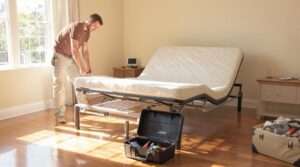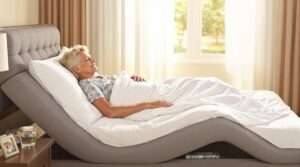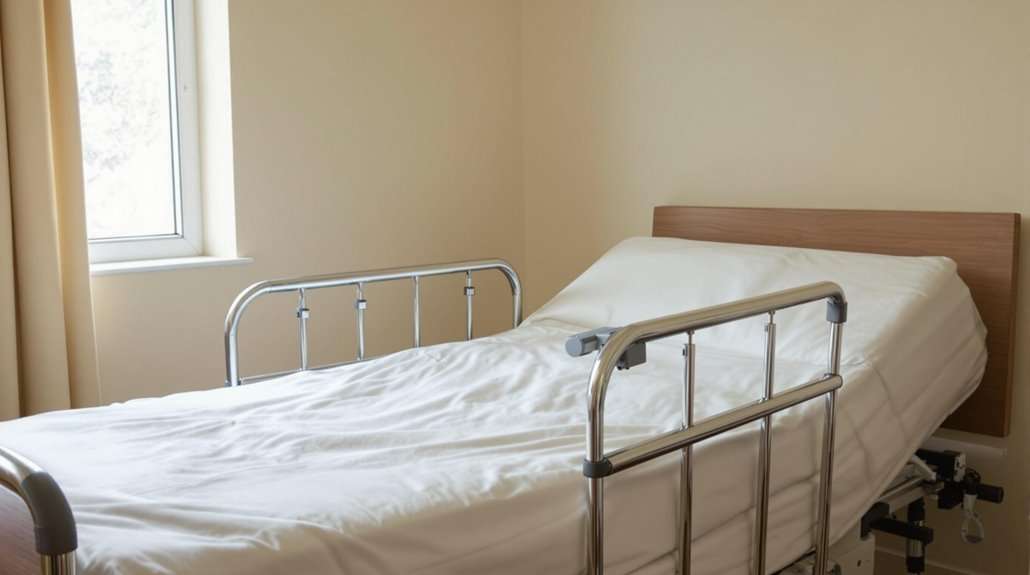



Improving sleep quality for elderly individuals requires strategic bed selection focused on specific physiological needs. A hybrid mattress with zoned support technology provides ideal spinal alignment while gel-infused memory foam helps regulate temperature. Adjustable bed bases offer customizable positions, shown to increase sleep duration by 21 minutes nightly, while addressing conditions like sleep apnea and acid reflux. Essential features include enhanced edge support for safe bed entry, remote-controlled mechanisms for easy adjustments, and proper height settings for accessibility. Temperature control between 60-67°F maximizes rest. Understanding these thorough sleep solution components reveals additional strategies for maximizing sleep quality in senior years.
📋✅
- Choose a hybrid mattress with zoned support technology to provide optimal spinal alignment and pressure relief for aging bodies.
- Install an adjustable bed frame with programmable positions to address specific health conditions and facilitate easier movement.
- Maintain bedroom temperature between 60-67°F with proper bedding materials for optimal sleep conditions.
- Select hypoallergenic, breathable bedding materials like cotton or bamboo to regulate temperature and reduce respiratory issues.
- Ensure proper edge support and height-adjustable features for safe bed entry and exit during nighttime movements.
Understanding Mattress Support Requirements

For enhanced adaptability, hybrid designs incorporating both innerspring support cores and pressure-relieving comfort layers often present an ideal solution. These systems provide the necessary structural support while accommodating individual body types and sleeping positions. Additionally, zoned support technology allows for varying degrees of firmness across different areas of the mattress, ensuring proper spinal alignment and reduced joint stress throughout the night. The addition of gel-infused memory foam can help regulate temperature for a more comfortable sleep experience. Enhanced edge support features in these mattresses provide safe bed entry for seniors with limited mobility.
Proper Bed Height and Accessibility
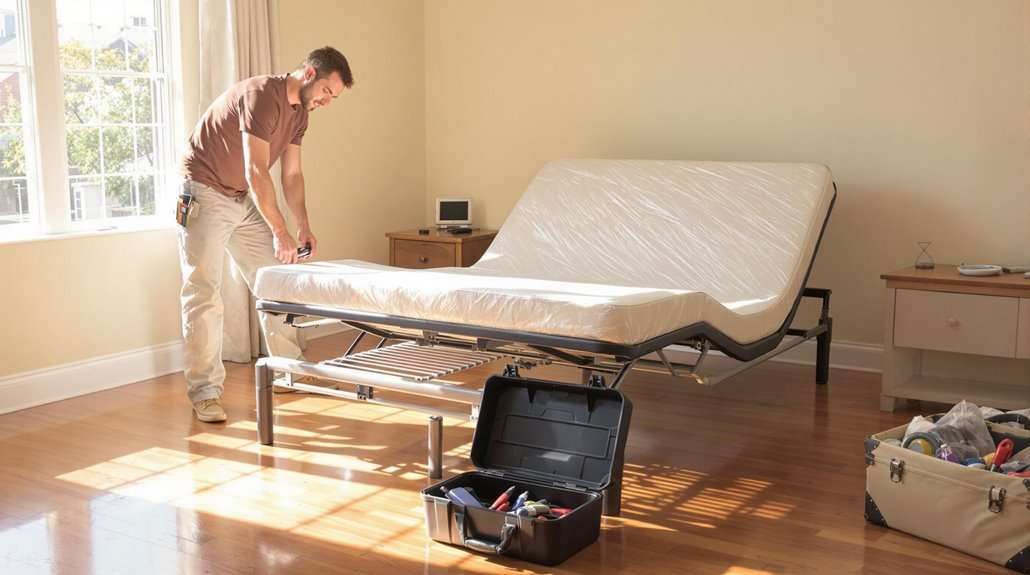
Proper bed height and accessibility stand as critical factors in ensuring both safety and comfort for elderly individuals during sleep. Enhancing bed height greatly reduces the risk of falls while facilitating easier bed entry and exit, particularly for those with mobility limitations or joint conditions. Adjustable beds with customizable height settings provide essential support for maintaining independence and safety during nighttime activities. Modern adjustable beds feature remote-controlled mechanisms that make adjustments effortless for seniors. The beds effectively alleviate joint pressure during sleep, promoting better overall comfort.
The integration of accessibility features in modern adjustable beds addresses multiple functional requirements. These beds offer programmable comfort settings that enable position adjustments without full awakening, thereby minimizing sleep disruptions. The ability to modify sleeping positions supports individuals with chronic conditions, including sleep apnea and high blood pressure, by providing targeted elevation control for both upper and lower body segments.
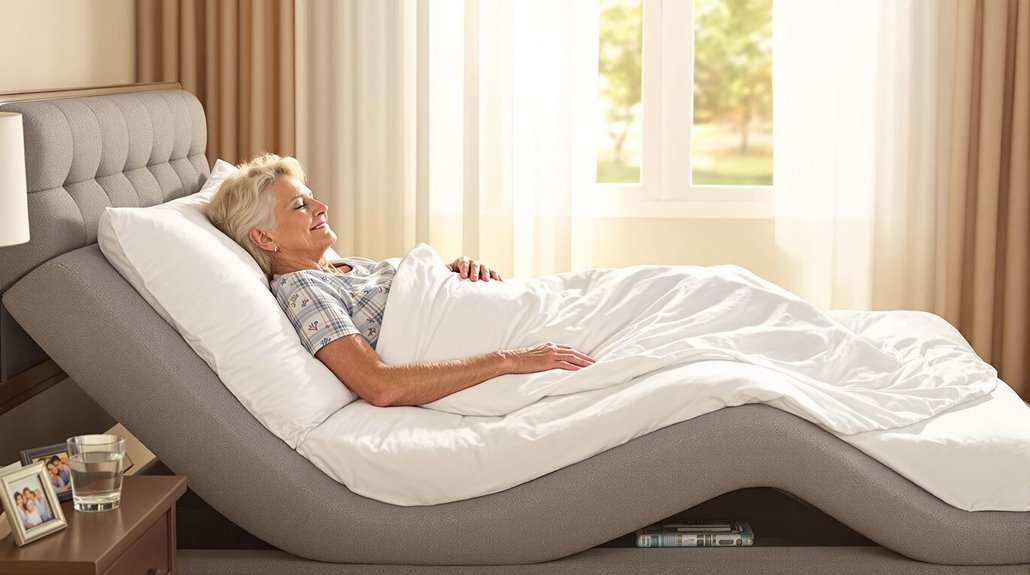
For maximum accessibility, these beds incorporate dual-adjustment capabilities that allow for personalized positioning based on specific health needs. The flexibility to create semi-upright and back-supported positions helps alleviate pressure points and reduces strain on joints and muscles. This customization extends to supporting regular physical activity and relaxation techniques, ultimately contributing to enhanced sleep hygiene and overall well-being for elderly individuals.
Essential Bedding Components

The selection of appropriate bedding components plays an essential role in optimizing sleep quality for elderly individuals, with particular emphasis on mattress support, pillow configuration, and bedding materials. A supportive mattress that accommodates individual sleeping positions and maintains proper spinal alignment serves as the foundation for restful sleep, while properly selected pillows provide vital neck and head support to prevent discomfort. Quality bedding materials that offer temperature regulation and allergen protection complete the sleep environment, contributing to improved sleep duration and reduced nighttime disturbances. Creating a dark and cool bedroom environment through appropriate bedding choices aligns with essential sleep hygiene practices for optimal rest. Regular monitoring of bedding condition and maintenance helps prevent access restrictions that could interfere with comfortable sleep positioning.
Mattress Support and Comfort
Selecting appropriate mattress support and comfort components plays a critical role in promoting restorative sleep among elderly individuals. The ideal mattress configuration combines precise pressure relief with customizable support features, guaranteeing both mattress longevity and therapeutic benefit. High-quality materials with superior fabric breathability facilitate temperature regulation while maintaining structural integrity over time. Poor sleep quality affects between 40% to 70% of older adults, making proper mattress selection crucial.
For elderly users, adjustable beds offer significant advantages through personalized elevation options. The ability to raise specific body segments helps address common age-related concerns, such as circulation issues and acid reflux. Proper elevation features can help reduce nighttime bathroom visits that frequently disrupt sleep continuity. The mattress should provide adequate thickness and balanced firmness to prevent excessive sinking while cushioning sensitive pressure points.
When evaluating mattress options, consideration must be given to individual health conditions and preferred sleep positions. The support surface should be hypoallergenic and incorporate cooling technology to maintain ideal sleep temperature. Regular assessment of mattress condition guarantees continued therapeutic benefit and support integrity. Implementation of these mattress specifications, combined with proper environmental controls such as room temperature and minimal disruptions, creates an ideal sleep environment that promotes sustained restorative rest for elderly individuals.
Pillow Selection Guidelines
Ideal pillow configuration represents a fundamental component in enhancing sleep quality for elderly individuals, particularly given their increased susceptibility to neck and spinal discomfort. Various pillow materials and pillow types serve distinct therapeutic purposes, necessitating careful selection based on individual requirements.
Memory foam and latex pillows offer superior support for elderly individuals experiencing joint pain or arthritis, while cervical and contour designs specifically address spinal alignment concerns. For those with respiratory sensitivities, hypoallergenic options such as latex or specially treated memory foam prove beneficial, avoiding potential irritants found in traditional down pillows.
The selection process must consider sleeping position preferences. Side sleepers benefit from high-loft or contour pillows maintaining proper cervical alignment, while back sleepers may find ideal support with buckwheat or medium-loft memory foam options. Regular maintenance, including consistent cleaning and timely replacement every 1-2 years, guarantees sustained therapeutic benefits and hygiene standards.
For enhanced customization, adjustable pillows allow modification of support levels to accommodate changing needs, particularly beneficial for elderly individuals with varying comfort requirements or medical conditions affecting sleep position preferences.
Quality Bedding Materials
Through thorough analysis of bedding components, quality materials emerge as vital determinants in promoting restorative sleep among elderly individuals. The selection of appropriate bedding materials directly influences both comfort and health outcomes, with natural fibers playing a paramount role in maintaining ideal sleep conditions.
The incorporation of moisture-wicking fabrics enhances bedding durability while providing essential temperature regulation. Cotton and bamboo materials offer superior breathability, creating a consistently comfortable sleeping environment. Multiple layering systems allow for customizable comfort adjustments, addressing individual thermal preferences and seasonal variations.
Hypoallergenic options are particularly important for elderly sleepers, as they minimize potential skin irritations and respiratory complications. These materials demonstrate exceptional performance in preventing allergen accumulation while maintaining their structural integrity over time. The integration of thermal regulation features within the bedding system supports consistent temperature maintenance throughout the sleep cycle.
When selecting bedding materials, priority should be given to those offering both comfort and practical functionality. Materials should facilitate easy maintenance while providing lasting performance. The combination of breathable fabrics and moisture management capabilities guarantees sustained comfort and promotes extended periods of uninterrupted sleep.
Bedroom Environment Optimization
Creating an ideal bedroom environment encompasses four essential elements that greatly influence sleep quality in elderly individuals: lighting control, noise management, temperature regulation, and physical comfort.
Effective lighting solutions begin with guaranteeing complete darkness during sleep hours through blackout curtains or room-darkening shades. For safety during nighttime mobility, install dim red nightlights rather than bright white or blue lights, which can disrupt circadian rhythms. Remove or cover electronic devices emitting artificial light, including clocks and mobile phones. A scent of lavender can promote relaxation and improve sleep quality through aromatherapy. Establishing a consistent sleep schedule helps reinforce the body's natural sleep-wake cycle in conjunction with proper lighting. Noise reduction measures are equally critical; implement white noise machines or audio devices with soothing sounds to mask disruptive external noises. When necessary, recommend earplugs for consistent sound blocking.
Maintain bedroom temperatures between 60-70°F (15-21°C) to promote ideal sleep conditions, utilizing appropriate bedding materials that regulate body temperature effectively. Guarantee proper ventilation and air quality through regular cleaning and air purification systems. The bedroom should remain clutter-free, reducing environmental stress factors. Regular maintenance of bedding, including frequent washing and timely replacement of worn materials, helps maintain a hygienic and comfortable sleep environment. These environmental modifications considerably enhance sleep quality for elderly individuals.
Adjustable Bed Base Benefits

Adjustable bed bases offer extensive solutions for elderly sleep quality through their advanced positioning capabilities and therapeutic features. The ability to modify head and foot positions provides essential support for various health conditions, while zero-gravity settings effectively distribute body weight to minimize pressure points and reduce pain. Integrated massage functions and programmable position controls enable precise customization for individual medical needs, contributing to improved circulation and overall sleep quality. Stored memory positions make transitioning between preferred sleeping and sitting positions effortless for seniors throughout the day. With modern designs supporting up to 750 pounds capacity, these bases accommodate users of various sizes while maintaining durability and stability.
Enhanced Comfort and Support
Modern comfort technology in adjustable bed bases represents a significant advancement in sleep medicine for elderly individuals. These specialized beds deliver targeted pressure relief through customizable support features that adapt to individual physical requirements. The ability to adjust different sections of the bed enables precise positioning that minimizes joint stress and promotes ideal spinal alignment. Dynamic functionality enhances the interactive user experience, similar to modern websites powered by JavaScript. Recent studies show that using adjustable bed bases can increase total sleep duration by 21 minutes nightly.
Clinical evidence demonstrates that adjustable beds provide substantial therapeutic benefits through their multifaceted support mechanisms. The elevation capabilities allow for strategic positioning that reduces swelling in the lower extremities and improves circulation. The customizable nature of these beds addresses specific medical conditions, particularly beneficial for seniors with arthritis, circulation issues, or chronic pain conditions.
Advanced support features include reinforced lumbar zones and massage units that work synergistically to enhance comfort levels. The precision adjustments facilitate proper weight distribution, reducing pressure points that commonly cause discomfort during sleep. This targeted approach to comfort and support directly correlates with improved sleep maintenance and reduced nighttime awakenings, ultimately contributing to enhanced sleep quality and duration for elderly individuals.
Position Control for Health
Position control technology in modern adjustable bed bases delivers targeted therapeutic benefits through precise elevation and articulation capabilities. These advanced systems enable customized sleep position adjustments that directly address various health conditions common among elderly individuals. The massage features provide additional relaxation and comfort for aging adults. The ability to modify bed positions helps improve circulation, reduce swelling, and alleviate pressure points while providing relief from conditions like sleep apnea and acid reflux.
- Experience renewed independence with easier bed mobility
- Find relief from chronic joint and back discomfort
- Enhance breathing and reduce sleep-related health risks
- Improve overall quality of life through better rest
The health benefits of adjustable bed bases extend beyond basic comfort. The zero gravity position, which elevates both head and legs, can greatly reduce strain on the heart and improve blood circulation. For elderly individuals with diabetes, arthritis, or high blood pressure, strategic position control offers therapeutic advantages by minimizing joint pressure and promoting better blood flow. Furthermore, the ability to adjust sleep positions helps manage respiratory issues and reduces the risk of sleep-related complications. This precise control over sleeping posture represents a vital advancement in elderly care, supporting both physical well-being and sleep quality.
Pain Relief Features
Four primary pain relief features in advanced bed base systems offer extensive therapeutic benefits for elderly individuals experiencing chronic discomfort. These features include customizable pressure point alleviation, targeted joint support mechanisms, positional pain management capabilities, and advanced massage functionalities.
The adjustable base systems excel in pressure relief through precise elevation control of both upper and lower body segments. This customization helps distribute weight evenly, reducing strain on sensitive areas while supporting proper spinal alignment during sleep position changes. Memory foam integration further enhances pressure point reduction, particularly beneficial for areas prone to soreness.
Advanced models incorporate therapeutic elements specifically designed for chronic condition management. The ability to elevate the upper body assists with respiratory issues and acid reflux, while leg elevation promotes circulation and reduces edema. Dual-zone massage features provide additional therapeutic benefits, targeting specific muscle groups to alleviate tension and promote relaxation.
For ideal clinical outcomes, these systems often include programmable position memory settings, allowing elderly users to consistently achieve their most therapeutic sleep position. This precision in positional control, combined with pressure relief technologies, creates an evidence-based approach to pain management during rest periods.
Physical Comfort and Pain Management
Adjustable beds represent a significant advancement in addressing physical comfort and pain management for elderly individuals. These specialized beds offer customizable elevation mechanisms that enhance sleep position and promote joint flexibility, guaranteeing proper spine alignment and improved circulation. The ability to adjust different segments of the bed allows for precise pressure relief across sensitive areas, particularly beneficial for seniors with chronic conditions.
The integration of comfort technology with customizable support features creates a thorough solution for pain management. Through programmable settings and dual-adjustment capabilities, elderly users can maintain ideal positioning throughout the night, reducing strain on joints and supporting natural body alignment. These beds effectively address common age-related concerns while promoting better sleep quality.
- Witness the transformation in your loved one's comfort as they experience reduced joint pain and improved mobility
- Embrace the peace of mind knowing they're supported by medical-grade comfort technology
- Experience the satisfaction of providing professional-level care in their own bedroom
- Feel confident in offering a solution that adapts to their changing health needs
The combination of pressure relief and customizable support guarantees consistent comfort while addressing specific medical conditions that commonly affect seniors.
Sleep Position and Posture

Proper sleep positioning and postural alignment play vital roles in determining sleep quality and physical well-being among elderly individuals. For ideal sleep benefits, side sleeping is often recommended, particularly for those with sleep apnea or breathing difficulties. This position, when properly supported, helps maintain spinal alignment and reduces pressure points.
The selection of appropriate sleep support systems is important for posture awareness. A mattress offering balanced comfort and support, combined with strategic pillow placement, can greatly improve sleep quality. For elderly individuals who must sleep on their backs, elevation of the head portion of the bed and placing a pillow under the knees can help maintain proper spinal alignment.
To enhance postural support during sleep, the use of specialized aids such as body pillows or wedges may be beneficial. Regular assessment of sleep position and adjustment of support mechanisms is vital. Healthcare providers often recommend avoiding stomach sleeping, as it can strain the neck and spine. Additionally, an adjustable bed base can provide customized positioning options, allowing elderly individuals to find ideal comfort while maintaining proper alignment throughout the night.
Temperature Control for Better Rest
Temperature regulation represents a critical factor in sleep quality for elderly individuals, with research indicating ideal rest occurs within a specific thermal range of 60 to 67 degrees Fahrenheit. Implementing effective cooling methods and maintaining proper humidity control can greatly enhance sleep quality for seniors. A well-regulated sleeping environment should incorporate both active and passive temperature management strategies, including the use of ceiling fans, proper ventilation, and climate control systems.
- Protect your loved ones from sleep disruption by installing programmable thermostats to maintain consistent nighttime temperatures
- Create a nurturing environment with proper air circulation using strategically placed fans and ventilation systems
- Safeguard their comfort by monitoring and adjusting humidity levels using appropriate devices
- Promote their well-being by selecting season-appropriate, breathable bedding materials
For best results, integrate both environmental controls and bedding solutions. Consider using temperature-controlled mattress systems or specialized bedding that promotes proper thermal regulation. Maintaining proper humidity levels through dehumidifiers or humidifiers can further enhance comfort and prevent sleep disturbances. Regular maintenance of heating and cooling systems ensures consistent temperature control throughout the night, promoting uninterrupted, restorative sleep for elderly individuals.
Frequently Asked Questions
How Often Should Elderly People Replace Their Mattress for Optimal Sleep Quality?
For ideal sleep hygiene, elderly individuals should replace their mattress every 5-7 years, shorter than the standard mattress lifespan, due to increased sensitivity to pressure points and changing physical needs.
Can Memory Foam Mattresses Increase Fall Risk for Seniors?
Yes, memory foam mattresses can increase fall risk for seniors due to their sinking properties, which impede mobility. For ideal fall prevention, alternatives with firmer support and better edge stability are recommended for elderly safety.
What Bedding Materials Are Best for Seniors With Incontinence Issues?
Like a protective shield, waterproof mattress protectors paired with breathable fabrics and moisture-wicking materials provide ideal protection. Layered bedding with absorbent, washable pads offers thorough defense while maintaining comfort and dignity for seniors.
Should Elderly Couples Choose Split Mattresses for Different Firmness Preferences?
Split mattresses offer significant benefits for elderly couples with differing firmness preferences, providing individualized support, reducing motion transfer, and accommodating specific health needs. This customization typically leads to improved sleep quality for both partners.
Are Weighted Blankets Safe and Beneficial for Elderly Sleep Quality?
Seeking better rest for seniors? Research supports weighted blankets as safe, effective sleep anxiety solutions when properly selected (10% of body weight). These therapeutic tools offer documented benefits including improved sleep quality and reduced anxiety.
The journey to restorative sleep in elderly populations mirrors a well-orchestrated symphony, where each element – from precision-engineered mattress support to microclimatic temperature control – plays a crucial role. Clinical evidence demonstrates that optimized sleep environments, incorporating adjustable bases, therapeutic positioning, and ergonomic accessibility, markedly enhance sleep quality and reduce nocturnal disturbances. Like a finely-tuned medical protocol, these all-encompassing sleep solutions deliver measurable improvements in geriatric sleep patterns and overall well-being.