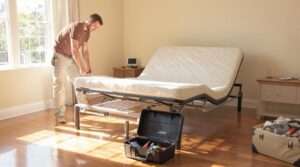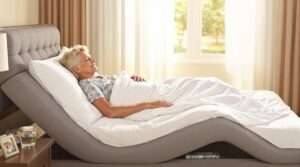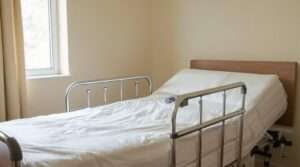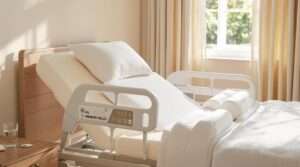



Creating a fall-proof bedroom for seniors involves evaluating and optimizing the bedroom environment to reduce fall risks. This includes clearing clutter, securing rugs, and improving lighting to prevent tripping hazards. Installing bedside lamps and nightlights can improve visibility, while securing flooring and walkways with non-slip coatings or rubber flooring can reduce falls. Utilizing assistive devices, such as bed rails, grab bars, and canes, can also enhance safety and mobility. By taking an exhaustive approach to fall prevention, seniors can maintain their independence and reduce the risk of injury. A well-designed fall-prevention plan can lead to a safer living space.
📋✅
- Evaluating the bedroom for potential fall risks is pivotal in guaranteeing senior comfort and safety.
- Clearing the floor of clutter, securing rugs and cords, and keeping frequently used items within reach helps reduce fall risks.
- Improving lighting through bedside lamps, nightlights, and motion sensor lights enhances visibility and reduces tripping hazards.
- Installing bed rails, selecting a suitable mattress, and ensuring accurate bed height provides support and prevents falls.
- Utilizing assistive devices, such as grab bars, canes, and walkers, and conducting regular safety checks improves mobility and reduces fall risks.
Assessing the Bedroom Environment
When it comes to creating a fall-proof bedroom for seniors, evaluating the environment is a paramount first step. Analyzing the bedroom for potential fall risks is pivotal in guaranteeing senior comfort and safety. Proper lighting plays a key role in preventing falls, and this can be achieved by eliminating dark areas, using nightlights or lamps that are easy to reach from the bed, and installing motion sensor lights.
The floor should also be cleared of clutter and tripping hazards like throw rugs and cords. Securing rugs with double-sided tape or non-slip backing and coiling or taping cords and wires next to the wall can substantially reduce fall risks. Keeping frequently used items within reach also helps avoid reaching or bending. Organizing the bedroom to guarantee clear pathways and a well-lit path from the bed to the bathroom further contributes to a safe and comfortable environment for seniors.
Additionally, preventing falls allows seniors to continue living on their terms without relying heavily on others for Preserve Independence. By removing hazards and improving lighting, caregivers can create a fall-proof bedroom that prioritizes senior comfort and reduces the risk of falls. Regular evaluations of the bedroom environment are essential in identifying and addressing potential fall hazards.
Exercise such as walking is also essential in maintaining balance as seniors age, and incorporating daily balance exercises can improve mobility and reduce the risk of falls.
Optimizing Bed and Mattress Safety
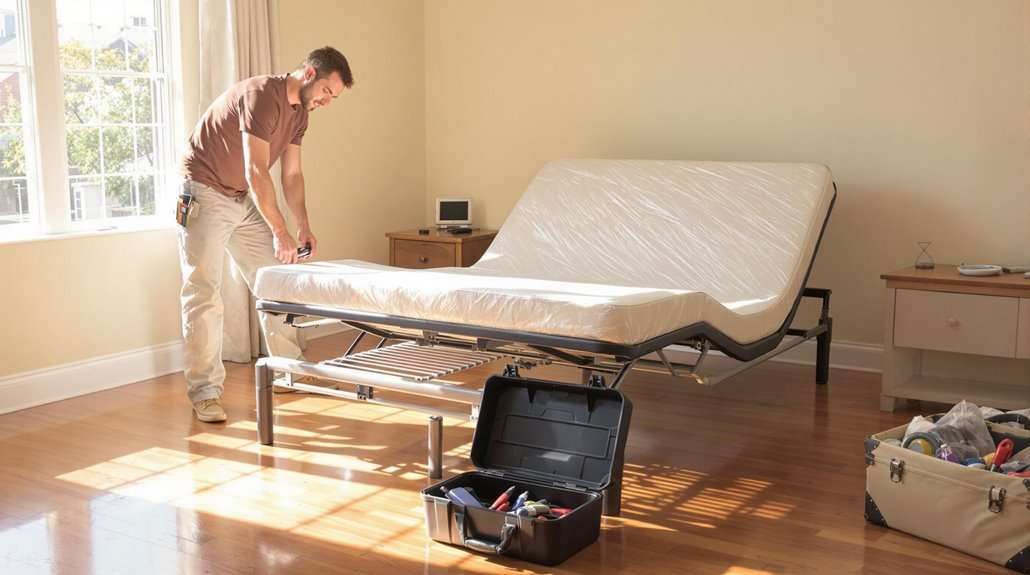
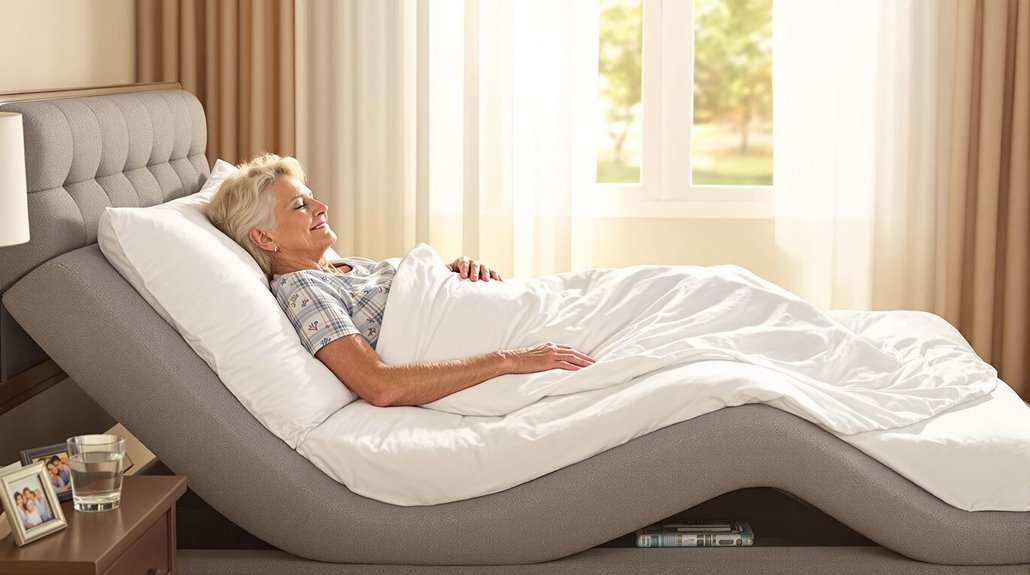
A vital aspect of optimizing bed and mattress safety involves incorporating safety features such as bed rails, which can provide support and prevent falls when getting in or out of bed. Selecting a suitable mattress is also essential, as a mattress that provides proper support and comfort can reduce the risk of falls and injuries. Effective bed placement strategies, including careful consideration of the bed's height and proximity to supportive structures, can further enhance safety in the bedroom. Installing night lights can also reduce the risk of late-night falls. To reduce the risk of falls, it is also important to ensure accurate bed height to prevent falls, with knees at a 90-degree angle and feet flat on the floor.
Bed Rail Safety Features
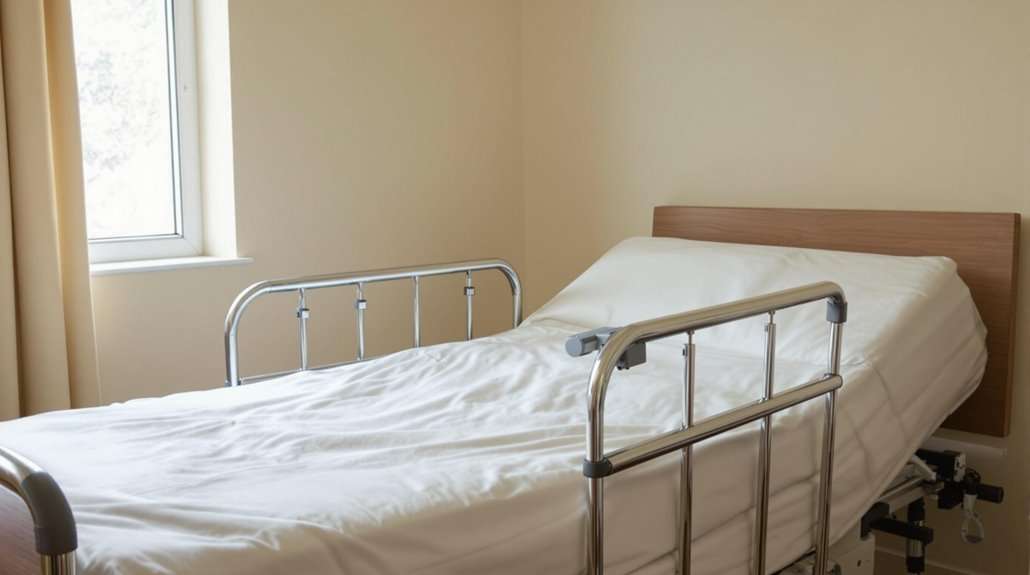
Ensuring the safety of seniors in their bedrooms requires careful consideration of bed rail design and functionality. According to senior fall statistics, falls are a leading cause of injury and death among seniors, and bed rails can play a vital role in preventing these accidents. However, traditional bed rails can also pose safety risks, such as entrapment and strangulation hazards.
To mitigate these risks, caregivers can consider bed rail alternatives, such as bed bumpers, roll guards, and concave mattresses. These alternatives can provide a safer barrier and reduce the risk of falls and injuries. Additionally, caregivers should verify that bed rails are designed with safety features such as sturdy construction, adjustable height, and non-slip feet or coatings.
Regular assessments are also necessary to verify that the bed rail remains safe and suitable for the senior's needs. By taking these steps, caregivers can help create a fall-proof bedroom and reduce the risk of injuries and fatalities among seniors. By prioritizing bed rail safety features, caregivers can provide a safe and supportive environment for seniors to live and thrive. Bed rails provide assistance and support for seniors who struggle with mobility issues. Proper installation of bed rails is crucial, and caregivers should follow the manufacturer's instructions for secure attachment to ensure the rail is safely attached to the bed frame.
Mattress Selection Guidelines
Selecting the right mattress is a vital aspect of creating a fall-proof bedroom for seniors, as it can substantially impact their comfort, safety, and overall well-being. A medium-firm mattress with a balance of pressure relief and support is ideal for most seniors. Hybrid mattresses with individually wrapped coils and high-quality materials, such as organic cotton and high-density foam, are recommended for their durability and comfort.
When choosing a mattress, consider cooling technologies that regulate body temperature, such as gel-infused polyfoam or innerspring designs. These features can improve sleep quality and prevent overheating. Edge support is also pivotal to prevent seniors from rolling off the bed and to provide stability when sitting on the edge. A mattress with excellent edge support and a solid perimeter can minimize motion transfer and make it easier for seniors to get in and out of bed.
According to expert insights, more than half of older adults report poor sleep quality, emphasizing the importance of choosing a mattress that addresses specific needs and preferences. By prioritizing these features, caregivers can help create a safe and comfortable sleeping environment that promotes better sleep quality and overall well-being for seniors. Regular mattress replacement and a durable mattress with a long warranty can also provide peace of mind for seniors and their caregivers. The Helix Midnight mattress, with its medium-firm rating, is a top pick among seniors for its ability to provide both comfort and support.
Bed Placement Strategies
Optimizing bed placement is a critical aspect of creating a fall-proof bedroom for seniors, as it can substantially impact their safety and mobility. Proper bed placement can reduce the risk of falls and provide easy access to the bed, promoting senior comfort and independence.
| Bed Placement Strategies | Senior Comfort Benefits |
|---|---|
| Position bed to create clear pathways | Easy access and reduced risk of falls |
| Remove clutter and obstacles | Safe movement around the room |
| Place bed flush against a wall | Prevents falling out of bed while asleep |
| Secure loose sheets and bedding | Prevents tripping hazards |
| Install bed rails or soft barriers | Provides support and prevents falls |
A well-designed bedroom layout is essential for fall prevention and senior comfort. By arranging furniture to guarantee wide walkways and clear paths, removing unnecessary furniture and items, and securing loose rugs, caregivers can create a safe and supportive environment for seniors. Ensuring the bed is at a comfortable height allows for easier movement and reduces the risk of falls.
Additionally, using night lights can help navigate the room at night, thus further reducing the risk of falls and injuries.
Improving Lighting and Visibility
To improve lighting and visibility in a senior's bedroom, it is essential to strategically place nightlights in areas that illuminate pathways at night, reducing the risk of falls and injuries. Bright lighting solutions, such as LED or CFL bulbs, can also be effective in improving visibility, especially in areas where seniors spend most of their time. Additionally, motion-activated lighting options can provide safe nighttime navigation, automatically turning on when a person enters the room or approaches a specific area.
Adding Nightlights Strategically
Enhancing the lighting in a senior's bedroom can substantially reduce the risk of falls and injuries, particularly during nighttime hours when visibility is limited. Adding nightlights strategically is an effective way to promote elderly comfort and senior autonomy. To maximize the benefits, nightlights should be placed thoughtfully throughout the bedroom.
- Place nightlights by the bed and along the path to the bathroom to guarantee visibility in dark areas.
- Position nightlights to illuminate the floor and any obstacles, such as cords or rugs.
- Install motion-activated nightlights to activate automatically when movement is detected.
- Use LED nightlights for their long lifespan and energy efficiency.
Poorly lit areas can lead to disorientation and falls when moving around at night, emphasizing the importance of addressing Dark or Low-Light Conditions.
Bright Lighting Solutions
Building on the strategic placement of nightlights, a thorough approach to lighting is necessary to create a fall-proof bedroom for seniors. A senior-focused lighting retrofit involves evaluating and improving existing lighting conditions to guarantee prime visibility and safety. One vital aspect is increasing brightness, as older adults require up to 50% more brightness due to age-related vision changes. Using higher wattage bulbs, installing additional light fixtures, or incorporating LED lights can markedly improve visibility.
Layered lighting, combining overhead, task, and ambient lighting, helps create a well-lit environment. It's essential to use easy-to-operate switches or dimmer switches for adjustable lighting levels. Furthermore, reducing glare and enhancing contrast can improve visibility and comfort for older adults. A professional lighting assessment can provide tailored recommendations for a senior-focused lighting retrofit. By implementing these bright lighting solutions, caregivers can substantially reduce the risk of falls in the bedroom and promote a safe, independent living environment for seniors. Regular checks and maintenance schedules guarantee the lighting system remains effective and functional over time. Exercise, such as balance and strength training, can also be beneficial in reducing the risk of falls, especially when combined with improved lighting. Automatic motion-detecting lights with wireless functionality provide hands-free convenience for seniors, thereby reducing the need to physically operate light switches.
Motion Activated Options
By stepping up the lighting game with motion-activated options, caregivers can take a proactive approach to fall prevention in the bedroom. Motion-activated lights automatically illuminate the room, reducing the risk of falls by improving visibility. This not only promotes safety but also supports senior independence by minimizing the need for manual light switching.
To maximize the benefits of motion-activated lighting, consider the following:
- Strategic Motion Sensor Placement: Position lights in high-traffic areas, such as along skirting boards or in walkways, to guarantee effective coverage.
- Smart Lighting Systems: Choose systems that integrate with existing lighting setups or function as standalone devices.
- Energy-Efficient Options: Opt for energy-efficient LEDs to minimize battery replacements and electricity costs.
- Adjustable Settings: Select lights with adjustable brightness and color settings to create a customizable environment. Motion sensor lights also offer a range of benefits, including energy efficiency that leads to lower utility bills. Some motion-activated lights, such as plug-in options, do not rely on batteries, which can reduce waste and minimize the effort needed for maintenance.
Securing Flooring and Walkways
A pivotal aspect of creating a fall-proof bedroom for seniors involves addressing the floor and walkway areas that can pose considerable slipping and tripping hazards. Effective Fall Prevention Strategies require careful consideration of Secure Flooring Options that can mitigate the risk of falls and injuries.
In particular, rubber flooring is an ideal option due to its natural impact absorption and slip-resistant properties. Linoleum flooring is another suitable option, as it is easy to maintain and resistant to moisture, making it an ideal choice for seniors with mobility issues.
| Secure Flooring Options | Key Benefits |
|---|---|
| Rubber flooring | Slip resistance and impact absorption |
| Cork flooring | Natural cushioning and elasticity |
| Low-pile carpeting | Comfort and reduced fall-related injuries |
| Vinyl flooring with textured finishes | Improved traction |
To further enhance safety, it is essential to fortify existing flooring by using anti-slip coatings or tapes, and verifying that area rugs are securely fastened with non-slip backing or double-sided tape. Regular inspections and maintenance of flooring are also essential to verify it remains safe and secure. By implementing these measures, caregivers can markedly reduce the risk of falls and create a safer environment for seniors. By choosing the right flooring options and incorporating additional safety features, caregivers can provide a secure and supportive environment that promotes independence and confidence.
Utilizing Assistive Devices and Support
While securing flooring and walkways is crucial for preventing falls, utilizing assistive devices and support is equally essential for promoting stability, balance, and mobility among seniors. Effective Fall Prevention Strategies require the integration of Assistive Technology Solutions to create a safe and supportive environment. Assistive devices can markedly reduce the risk of falls by providing additional support and balance.
Some essential assistive devices for seniors include:
- Grab bars in bathroom, shower, and toilet areas for added grip
- Canes and walkers to improve balance, reduce pain, and increase mobility
- Tripod canes for increased stability on uneven surfaces
- Seat canes for providing a resting place during walks, reducing fatigue
Selecting the right assistive devices requires assessment by professionals, such as occupational therapists and physiotherapists. They can help determine the most suitable devices for individual needs, taking into account factors such as cost, ease of use, and potential for customization. According to statistics, 12.5% of people in the United States use mobility devices, highlighting the importance of proper device selection. Bedside fall mats can also be placed beside beds to provide extra protection in case of nighttime falls. By utilizing assistive devices and support, seniors can maintain their independence and mobility, reducing the risk of falls and related injuries.
Maintaining a Clutter-Free Space
Maintaining a clutter-free space is a vital component of creating a fall-proof bedroom for seniors. Effective Clutter Control measures can substantially reduce tripping hazards, enhancing the overall safety and accessibility of the room. This Senior Simplification process involves identifying and removing potential obstacles to create a clear pathway for seniors to move around without fear of falling.
To achieve Clutter Control, loose rugs and mats should be secured or removed, electrical cords and cables kept out of walkways or secured with cable clips, and belongings organized to prevent clutter buildup in high-traffic areas. Frequently used items should be stored within easy reach to prevent overstretching. Shoes and slippers should be stored in designated areas, and storage units can be used to maintain tidy spaces. By prioritizing Clutter Control and Senior Simplification, caregivers can substantially reduce fall risks and create a safer and more secure environment for seniors to thrive. Regular cleanups and reassessments of the space are essential to sustain a clutter-free environment and promote a healthy, fall-proof bedroom.
Ensuring Proper Furniture Placement
Proper furniture placement plays a crucial role in creating a fall-proof bedroom for seniors. Ensuring senior comfort and adhering to furniture ergonomics principles can markedly reduce the risk of falls.
A well-designed bedroom layout should prioritize clear pathways to prevent tripping and allow for easy movement. Key considerations for furniture placement include:
- Placing beds flush against a wall to reduce the risk of falling out of bed and ensuring easy entry and exit with a comfortable bed height.
- Positioning nightstands next to beds with easy-to-use lamps to enhance visibility.
- Avoiding positioning dressers or nightstands at corners that can catch feet and obstruct walkways.
- Aligning furniture to leave ample space for walkers or canes, resulting in safe navigation through the room. Placing non-slip rubberized feet on chair legs or furniture can prevent slipping while standing or sitting, further minimizing fall risk.
The website's security is ensured by utilizing services like Cloudflare security solutions to protect against online attacks and maintain a secure experience.
Reducing Tripping Hazards and Risks
A multitude of tripping hazards can be present in a senior's bedroom, substantially increasing the risk of falls. To mitigate these fall risks, it is essential to identify and remove home hazards. Clearing nightstands and removing clutter from floors can help create a safe environment. Securing rugs with double-sided tape or removing them entirely can also prevent tripping. Additionally, tucking away cords and cables can reduce the risk of entanglement.
Improving lighting is also vital in reducing tripping hazards. Installing bedside lamps and using nightlights can improve visibility, while motion-activated lights can provide automatic lighting. Confirming light switches are easily accessible and avoiding excessive light can also help prevent falls. Utilizing home safety measures, such as implementing simple changes, can further enhance the overall safety of the room.
Utilizing assistive devices, such as bed rails and non-slip mats, can also aid in reducing fall risks. Providing a telephone or emergency alert device within easy reach of the bed can also guarantee timely assistance in case of a fall. Since 30% of falls occur in the bedroom, often due to hypotension and confusion, it is crucial to address these specific hazards. By taking these steps, caregivers can substantially reduce the risk of falls in a senior's bedroom, creating a safer and more supportive environment. By addressing these home hazards, caregivers can help seniors maintain their independence and quality of life.
Conducting Regular Safety Checks
Beyond identifying and mitigating fall hazards, conducting regular safety checks is essential in creating a fall-proof bedroom for seniors. Home modifications can profoundly enhance the safety of a bedroom, but they require ongoing evaluation. When setting safety priorities, caregivers should consider the individual needs of the senior and continually assess the environment.
To guarantee a safe and supportive bedroom, the following checks should be performed:
- Guarantee proper lighting is installed, including nightlights or motion-sensor lights, and regularly check and replace burned-out light bulbs. Stairways with adequate lighting at the top and bottom should be a consideration for multi-story residences.
- Assess furniture and layout, removing clutter, securing rugs, and adjusting the bed height for comfortable access.
- Evaluate electrical safety, coiling or taping cords, installing additional outlets, and regularly checking electrical devices and cords for damage or wear.
- Verify that support and stability features, such as bed rails, grab bars, and non-slip surfaces, are in place and functioning correctly.
Additionally, the risk of falls should not be underestimated, as one in four seniors experience a fall each year. Regular safety checks will help identify potential hazards and enable caregivers to address them promptly, reducing the risk of falls!d and creating a safer, more supportive bedroom environment for seniors.
Frequently Asked Questions
What Are the Benefits of Hiring a Professional to Assess a Senior's Bedroom Safety?
A professional's home evaluation provides thorough risk assessment to identify and mitigate fall hazards in a senior's bedroom, offering tailored solutions for enhanced safety, mobility, and peace of mind for seniors and their caregivers.
How Do I Determine if a Senior Needs a Caregiver to Help With Daily Tasks?
When the writing is on the wall, it's clear a senior needs help. Assess daily routines and identify personal struggles with tasks such as bathing, dressing, and medication management to determine if caregiver assistance is necessary.
What Is the Recommended Frequency for Redecorating a Senior's Bedroom?
Redecorating a senior's bedroom is recommended every 6 to 12 months, incorporating the senior's personal style and seasonal themes while prioritizing safety, functionality, and comfort to guarantee a supportive and adaptable environment.
Can Technology Be Used to Monitor a Senior's Activity Levels in the Bedroom?
Like a vigilant guardian, technology watches over seniors, monitoring activity levels in the bedroom with motion sensors and wearable trackers, providing a safety net that detects falls and alerts caregivers, ensuring timely intervention and preserving independence.
Are There Any Financial Resources Available to Help Fund Senior Bedroom Safety Modifications?
Financial resources are available to support senior bedroom safety modifications, including government grants such as Medicaid and Veterans Affairs programs, as well as private funding options like non-profit organizations and tax credits.
Creating a fall-proof bedroom for seniors is not just a matter of safety, it's a test of sanity. In a space where sharp corners and slippery floors lurk around every edge, it's a wonder anyone makes it through the night without a bruise. But fear not, dear caregivers! By following the simple steps outlined above, bedrooms can be transformed from hazardous obstacle courses into serene oases, free from the perils of falls and injuries.