


Purchasing a bed for an older adult requires thoughtful consideration. Prices vary from $839 to $4,390, based on the type and features. Popular options like Saatva Classic range between $1,395 and $2,990.
Budget-conscious shoppers might consider DreamCloud Memory Foam, which offers options under $1,000 during promotions. Older adults with arthritis may prefer the WinkBed, priced from $1,149 to $2,199.
The Nolah Evolution 15″ offers pressure relief for $1,499 to $3,198. Larger individuals might consider the Titan Plus, ranging from $699 to $1,598. Additional expenses can include box springs, covers, and delivery fees up to $300.
Medicare may assist with some costs. Many retailers provide discounts for adults over 65 on purchases exceeding $1,000. Selecting the appropriate bed involves balancing comfort, support, and price.
This information will assist you in finding the most suitable option for your requirements and budget. Consider your options carefully.
📋✅
- Beds for seniors typically cost between $839 and $4,390, depending on type and features.
- Memory foam mattresses range from $300 to $4,000, with popular options like DreamCloud priced $839 to $2,578.
- Adjustable beds offer more versatility but cost more, ranging from $1,000 to $7,000 for premium models.
- Mid-range options like Saatva Classic ($1,395 to $2,990) and WinkBed ($1,149 to $2,199) offer good value.
- Dr. Emily Chen, a sleep expert, suggests budgeting around $1,500 for a quality senior bed with a good mix of features and durability.
Factors Influencing the Cost of Beds for Seniors

Various elements influence the cost of a senior bed. The mattress style, dimensions, and specific functionalities all contribute to determining the ultimate price.
Mattress Type
Mattress type significantly influences the cost of a senior’s bed. Innerspring models are often more affordable, while memory foam and latex options tend to be more expensive. Hybrid mattresses, which combine different materials, typically fall in the mid-range price category.
Each type offers distinct advantages for seniors. Memory foam, for instance, can provide relief for pressure points and joint discomfort.
The ideal mattress type depends on the individual senior’s requirements and financial considerations. Research has indicated that medium-firm mattresses can help reduce muscle and bone discomfort in older adults.
A study conducted in 2015 found that this level of firmness is suitable for many seniors. The price range for mattresses suitable for seniors spans from $524 to $1,874 on average. This broad range allows caregivers to select an option that balances comfort and affordability for their loved one.
Size and Dimensions
Bed size is crucial for seniors. A larger bed provides more space for movement and stretching. However, it needs to fit within the bedroom. Twin beds measure 38 inches in width and 75 inches in length.
Full beds are 54 inches wide and 75 inches long. Queen beds provide additional space at 60 inches wide and 80 inches long. King beds are the most spacious, measuring 76 inches wide and 80 inches long.
Cost increases with size. A twin mattress is less expensive than a king. Seniors should choose a size that meets their requirements and fits their space. Some might need extra room for medical equipment.
Others may prefer a smaller bed for easier access. Selecting the appropriate size contributes to quality sleep and comfort.
Special Features
Moving from size to features, we’ll examine what makes beds suitable for seniors. Many beds offer additional elements that can improve sleep quality for older adults. These features prioritize comfort and ease of use.
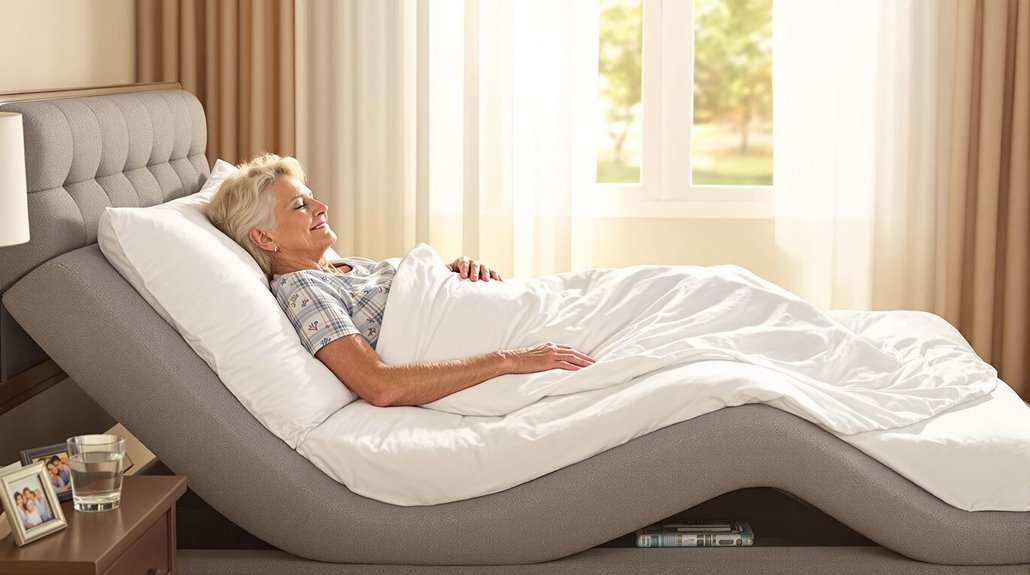
Some beds have adjustable components. Users can elevate the head or foot of the bed, which aids breathing and alleviates back pain. Other beds incorporate massage units, which can soothe sore muscles.
Some models even include remote controls or voice command capabilities, allowing seniors to adjust settings without leaving the bed. Beds with robust edge support facilitate easier entry and exit.
Memory foam mattresses conform to the body, providing pressure relief. These features aim to enhance sleep quality and daily living for seniors.
Brand and Quality
Special features significantly influence bed comfort. However, brand reputation and quality are equally crucial. Leading manufacturers typically offer superior materials and craftsmanship, resulting in more durable beds that provide enhanced support.
Quality is particularly important for older adults who may spend extended periods in bed.
Reputable brands generally offer superior customer service, often including extended warranties and trial periods. This can provide reassurance when making such a significant investment.
The NCOA Adviser Reviews Team recommends beds such as the Saatva Classic, priced between $1,395 and $2,990. Another suggested option is the DreamCloud Memory Foam, with prices ranging from $839 to $2,578.
Types of Mattresses and Their Average Costs
Seniors have a variety of mattress options available, each falling into different price categories. Here’s an overview of the primary choices and their associated costs.
Innerspring Mattresses
Innerspring mattresses are a common selection for older adults. They feature a core of metal coils that provide support and resilience. The coils are covered with layers of padding for comfort.
These beds are available in various firmness levels to accommodate different preferences. Prices for innerspring mattresses range from $300 to $2000, based on quality and features.
Older adults often prefer innerspring beds due to their familiarity and ease of movement. The coils contribute to air circulation, maintaining a cool sleeping surface at night. However, they may not be ideal for individuals with joint discomfort or those requiring additional pressure alleviation.
Some premium models incorporate pocketed coils that minimize motion transfer, which is beneficial for couples.
Memory Foam Mattresses
Unlike innerspring beds, memory foam mattresses provide a distinct sensation for seniors. These beds conform to the body’s contours, reducing pressure points. They’re beneficial for individuals with joint pain or arthritis.
Memory foam also minimizes motion transfer, improving sleep quality for couples.
Memory foam mattress prices range considerably. A queen-size DreamCloud Memory Foam mattress is priced between $839 and $2,578. This bed rates 6.5 out of 10 for firmness and 3.5 out of 5 for edge support.
These characteristics can assist seniors in entering and exiting the bed more comfortably.
Hybrid Mattresses
Hybrid mattresses combine innerspring coils with foam layers for comfort and support. These beds provide a mix of bounce and pressure relief. Many seniors find hybrid mattresses suitable for their needs.
They can help with back pain and offer good edge support.
Prices for hybrid mattresses range widely. A quality hybrid can cost between $1,000 and $2,000 for a queen size. Some high-end models, like the WinkBed, range from $1,149 to $2,199.
The Nolah Evolution 15″ is another option, priced from $1,499 to $3,198. These beds often include features like zoned support and temperature regulation for those who tend to sleep hot.
Latex Mattresses
Latex mattresses provide a distinct sleep experience for seniors. They’re constructed from natural rubber, offering a resilient yet supportive feel. These beds excel at pressure relief and spinal alignment.
They also have a longer lifespan compared to many other types, often lasting up to 15 years or more. Latex mattresses are available in different firmness levels to accommodate various needs.
The cost of latex mattresses can vary significantly. A high-quality latex bed might range from $1,000 to $2,500. The Birch Natural, for instance, is priced between $1,373.80 and $2,248.80.
It rates 6.5 out of 10 for firmness and 5 out of 5 for edge support. This makes it a reliable option for seniors who require additional stability when entering or exiting the bed.
Adjustable Beds
Adjustable beds provide greater versatility compared to latex mattresses. These beds allow older adults to modify the position of their head and feet, addressing various health concerns.
Adjustable beds are compatible with a range of mattress types, offering options from firm to soft based on individual needs. The cost of these beds varies from $839 to $4,390. Specialists recommend investing in higher-quality models for better support and pressure relief, which is particularly beneficial for older adults with mobility challenges or lower back discomfort.
Cost Breakdown by Mattress Type
Mattress costs differ depending on their construction, dimensions, and characteristics. Traditional coil mattresses tend to be more affordable, while memory foam and latex options may have higher price points. For more details on the expenses associated with each mattress type, continue reading the following information.
Innerspring Mattress Costs
Innerspring mattresses provide an economical choice for older adults. These beds utilize coil systems for support and are available at different price points. Basic models begin at $200, with premium options reaching $1,500 or more.
The typical cost ranges from $500 to $900. Factors such as coil count, padding layers, and brand reputation influence the price.
High-quality innerspring beds suitable for older adults often range from $800 to $1,200. These provide appropriate support and comfort for aging bodies. Certain models incorporate additional padding or specialized coil designs to reduce pressure points.
Bed For Seniors.com offers reduced prices on purchases exceeding $1,000, allowing caregivers to economize on high-quality mattresses.
Memory Foam Mattress Costs
Memory foam mattresses for seniors cost between $300 and $4,000. The price depends on size, brand, and quality. A queen-size memory foam mattress often runs $800 to $2,500. Premium options with cooling gel or plant-based foams may cost more.
The DreamCloud Memory Foam mattress ranges from $839 to $2,578. It scores 6.5 out of 10 for firmness and 4.5 out of 5 for pressure relief.
Hybrid Mattress Costs
Hybrid mattresses combine coils and foam to provide a balance of support and comfort. These mattresses typically have a higher price point compared to basic models. A queen-size hybrid mattress can range from $1,000 to $3,000.
The specific price varies based on the brand, materials, and features included.
Premium hybrid mattresses such as the WinkBed can be priced up to $2,199 for a queen size. Another high-end option, the Nolah Evolution 15″, is priced between $1,499 and $3,198. These mattresses often include additional features like temperature regulation technology or enhanced support layers.
For older adults experiencing back pain or sleep difficulties, these added features may justify the higher cost. It’s advisable to look for promotions or discounts to secure the best price on a hybrid mattress.
Latex Mattress Costs
Latex mattresses provide a combination of comfort and longevity for older adults. These beds typically cost between $1,000 and $2,500 for a queen size. The price varies based on the latex type – natural latex is more expensive than synthetic.
Some manufacturers combine natural and synthetic latex to reduce costs. Premium models featuring organic materials can cost $4,000 or higher.
Those caring for seniors should consider the long-term value of latex beds. They have a lifespan of 10-20 years, exceeding most other mattress types. This results in less frequent replacements, potentially leading to cost savings over time.
Latex also has properties that resist dust mites and mold, making it a suitable option for older adults with allergies or respiratory conditions.
Adjustable Bed Costs
The pricing structure for adjustable beds designed for seniors differs from standard mattresses. These specialized beds typically come with a higher price tag, ranging from $1,000 to $3,500 for basic models.
Premium versions with advanced features can reach $7,000 or more. The unique advantages of these beds include customizable head and foot positions, aiding in addressing sleep concerns and providing pain alleviation.
Several factors influence the ultimate cost, such as dimensions, manufacturer, and additional functionalities. Certain models incorporate massage capabilities, USB connectivity, or wireless control devices.
If prescribed by a physician, Medicare might partially cover the expense. Seniors can also benefit from promotional offers or reduced prices to make these beneficial beds more affordable.
Additional Costs to Consider
Purchasing a bed for an older adult requires considering several factors beyond the price of the mattress. It’s helpful to account for additional items such as bed frames and shipping charges. For a more comprehensive understanding of these less obvious expenses, continue reading the following information.
Foundations and Box Springs
Foundations and box springs are crucial components in your senior’s bed configuration. They provide essential support for the mattress and can extend its lifespan. A quality foundation contributes to the bed’s stability and comfort.
Box springs are particularly effective when paired with innerspring mattresses. They serve to absorb impact and increase the bed’s height. This additional elevation can facilitate easier access for seniors getting in and out of bed.
The price range for foundations and box springs typically falls between $100 and $500. Factors influencing the cost include size, quality, and manufacturer. It’s worth noting that some mattresses are designed to function without a box spring, so it’s advisable to verify this before making a purchase.
Mattress Toppers
Mattress toppers enhance comfort for your senior’s bed. They’re available in various materials such as memory foam, latex, or down. Prices range from $50 to $400 depending on size and quality.
An effective topper can alleviate pressure points and improve sleep for seniors experiencing joint pain.
These additions also protect the mattress and prolong its lifespan, resulting in long-term cost savings. Some toppers feature cooling properties to aid hot sleepers in resting better.
Others provide extra support for those with back concerns. Select a topper that addresses your senior’s specific needs and fits within your budget.
Protective Covers
Protective covers are essential in senior bed care. They shield mattresses from spills, stains, and wear. These covers also help keep the bed clean and fresh. Seniors often need extra protection due to health issues.
A quality cover can extend the life of a mattress by years.
Buyers should consider the cost of covers when shopping for senior beds. Prices vary based on size and quality. Some covers offer special features like waterproofing or cooling. It’s wise to inquire about cover options when discussing mattress needs with healthcare professionals.
Many stores offer deals on covers with mattress purchases. This can reduce total costs for senior bedding.
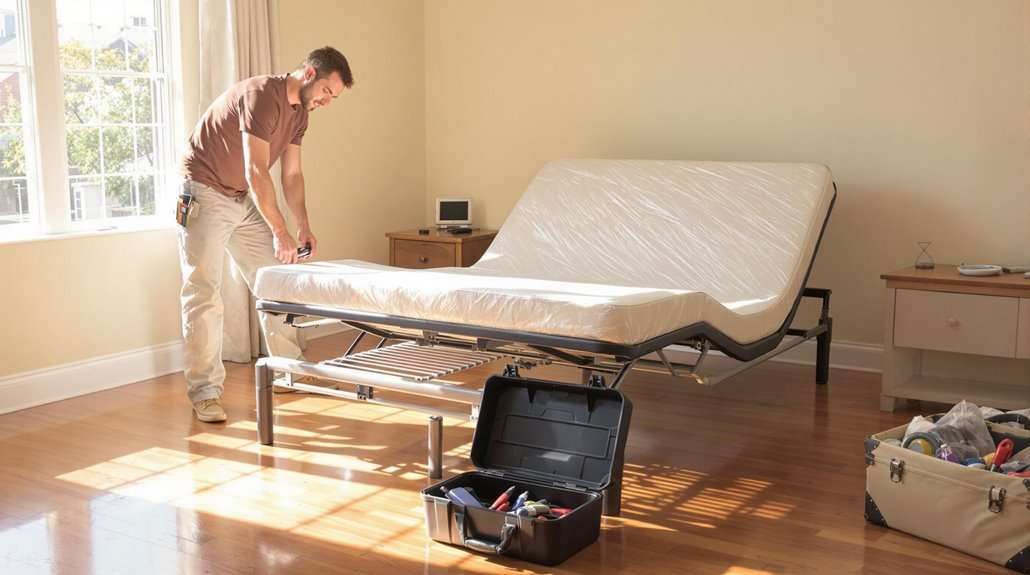
Delivery and Setup Fees
When considering the transportation of your new bed to your home, it’s important to factor in delivery and setup costs. These can range from $49 to $300, varying by company and service level.
Some manufacturers, such as Saatva, include complimentary premium delivery with their Classic and Rx mattresses, which involves bringing the bed into your home and setting it up. Other companies charge extra for this service.
For instance, Nolah charges $150–$300 for premium delivery of their Evolution 15″ mattress.
Before making a purchase, it’s advisable to review what the delivery fee includes. Some retailers might only deliver to your doorstep, while others will set up the bed in your bedroom.
If assistance with setup is needed, consider brands that provide this service. This can be particularly beneficial, especially when caring for a senior who may not be able to assist with moving heavy items.
Price Ranges for Popular Senior-Friendly Mattresses
Senior-friendly mattresses are available at various price points. Quality options exist for all budgets, spanning from standard models to premium luxury beds.
Budget-Friendly Options
Budget-friendly beds for seniors can be affordable. Many quality options are available in the $500 to $1,000 range. The Titan Plus mattress, starting at $699 for a twin size, offers firm support for older adults.
It includes cooling features to help with night sweats.
Memory foam mattresses can also be cost-effective. The DreamCloud Memory Foam bed, beginning at $839 for a twin, provides pressure relief and comfort for aching joints. Both these beds include free shipping and extended trial periods, allowing seniors to test the mattress at home before making a decision.
Mid-Range Options
Moving up from budget options, mid-range beds provide more features for seniors. These beds typically cost between $1,000 and $2,500. They often have better support and comfort than cheaper models.
Mid-range mattresses such as the Saatva Classic range from $1,395 to $2,990. The WinkBed is another option, priced from $1,149 to $2,199. These beds may have memory foam or hybrid designs.
They can help with back pain and offer good sleep quality. Some even have cooling features or adjustable bases for increased comfort.
High-End Luxury Options
Moving up from mid-range options, luxury beds for seniors provide exceptional comfort and features. These high-end choices often include advanced technology and premium materials. The Saatva RX, for example, ranges from $1,995 to $4,390.
It offers special features that cater to seniors with mobility issues or chronic pain.
Another luxury option is the Nolah Evolution 15″, priced between $1,499 and $3,198. This mattress uses innovative foam to provide excellent support and pressure relief. Luxury beds often come with perks like white-glove delivery and longer warranties.
While expensive, they can significantly improve sleep quality and overall health for seniors.
How to Choose the Right Bed Within Your Budget
Selecting an ideal bed within your price range requires careful consideration. You’ll need to balance your requirements with your financial constraints. Interested in learning about finding the best option? Continue reading!
Assessing Needs and Priorities
Seniors require beds tailored to their specific needs. Consider health conditions, mobility limitations, and comfort preferences. Does the senior experience back pain or difficulty getting in and out of bed? A medium-firm mattress often suits older adults well, providing adequate support while maintaining comfort.
Bed size is another factor to consider, as a smaller bed might be more manageable in a care home setting.
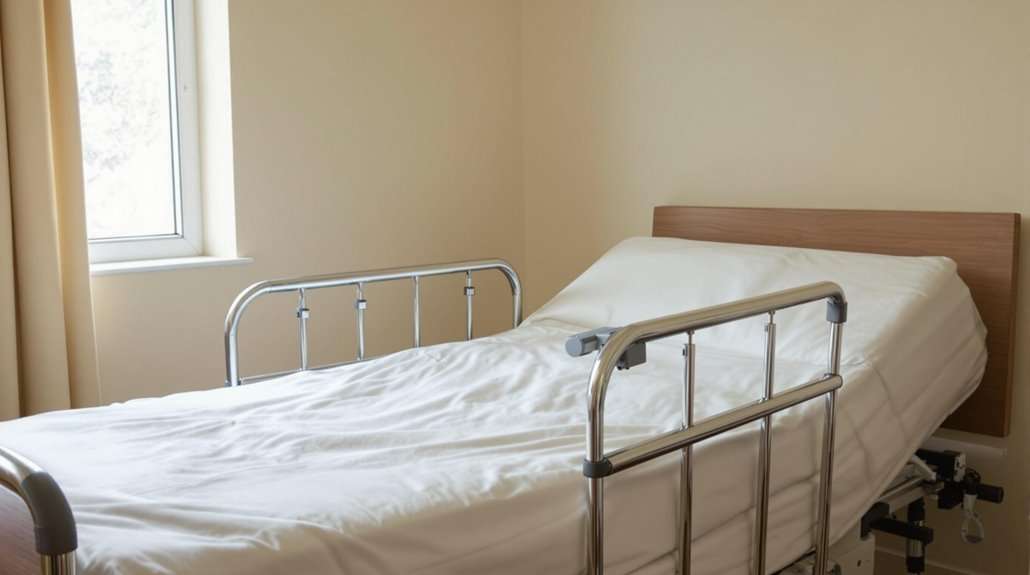
Special features are worth considering. Some beds include rails or adjustable heights to assist with movement, while others incorporate pressure-relief zones for improved sleep quality.
Create a list of essential features and desirable extras to guide your search and maintain focus on the most important aspects. The appropriate bed can significantly improve a senior’s quality of life and overall health.
Comparing Prices and Features
After determining your requirements, it’s time to evaluate prices and features. Create a list of beds that align with your budget and needs. Then, perform a side-by-side comparison.
Consider factors such as mattress type, firmness, and specific features. Be sure to include the Saatva Classic in your assessment. It offers a firmness rating of 7/10 and excellent edge support (5/5).
However, cost isn’t the sole consideration. An inexpensive bed might prove more costly over time if it deteriorates quickly. Seek out beds with positive reviews from fellow caregivers.
For instance, the Saatva Classic boasts a 4.8-star rating from more than 3,400 reviews. This indicates both comfort and durability. Keep in mind that a quality bed can alleviate sleep issues and back pain, improving the quality of life for both you and your loved one.
Checking Warranty and Return Policies
After evaluating costs and features, consider warranties and return policies. These guidelines safeguard your purchase and provide reassurance. Favorable policies allow you to test the mattress at home and return it if unsatisfactory.
Review the warranty duration and coverage. Some companies provide lifetime warranties, such as DreamCloud and Saatva Rx. Also, seek extended trial periods. Both DreamCloud and Saatva Rx offer 365 nights to evaluate their mattresses.
This allows ample time to ensure the bed meets your senior’s requirements.
Looking for Discounts and Sales
Savvy shoppers can save big on beds for seniors. Many stores offer deals during holidays like Memorial Day, Labor Day, and Black Friday. Bed For Seniors.com gives discounts to people over 65, military members, and healthcare workers on purchases over $1,000.
Some brands, like DreamCloud, sell memory foam mattresses for under $1,000 during sales events.
Smart buyers compare prices across different stores and websites. They sign up for email lists to get alerts about upcoming sales. Some companies have year-round offers, like free shipping or bundle deals on mattresses and bases.
Patience pays off – waiting for the right sale can lead to hundreds in savings on a quality senior bed.
Financial help and resources for buying senior beds are also available.
Financial Assistance and Resources
Financial constraints can affect older adults. Resources are available for those requiring assistance to obtain a quality mattress.
Insurance Coverage and Medicare
Medicare may contribute to the cost of a new bed for older adults. Medicare Part B can cover a portion of the expense if a physician deems it necessary. However, Medicare doesn’t cover the entire cost.
Older adults might be responsible for a portion of the price, known as a copayment.
Certain Medicare Advantage plans provide additional assistance. These plans may cover a larger portion of the bed’s cost. It’s advisable to contact the insurance company beforehand.
They can provide details on the plan’s coverage and the out-of-pocket expenses for older adults.
Financing Options
Buying a bed for a senior can be costly. Fortunately, many stores offer financing plans to help spread out payments. These options let you get a quality mattress without overspending.
Some places even have special deals for seniors or caregivers.
Credit cards, Google Pay, and PayPal are common ways to pay. Affirm also provides financing at many retailers. This lets you split the cost into smaller chunks over time. Always check the terms carefully before signing up.
The following information covers additional costs to keep in mind when budgeting for a senior’s bed.
Nonprofit and Community Resources
Moving from financing options, we’ll now consider free or low-cost assistance for senior beds. Various organizations provide support to older adults in need of beds. Local charities frequently donate beds or offer them at reduced prices.
Some communities have furniture banks that supply free beds to seniors facing financial constraints.
Religious institutions and community organizations may also offer assistance. They might fundraise or gather secondhand beds for seniors. Senior centers can direct you to these resources.
It’s worth contacting Area Agencies on Aging as well. They’re knowledgeable about numerous programs that can assist seniors in obtaining beds. Certain organizations even specialize in addressing sleep-related issues for seniors.
Are There Financing Options Available for Senior Beds?
Yes, financing options exist for senior beds. Many stores offer payment plans to spread the cost over time. Saatva, for example, accepts credit cards and PayPal. They also work with Affirm to provide financing.
This allows you to purchase now and pay later in monthly installments. Some Medicare plans may cover part of the cost for medically necessary beds. It’s worth checking your coverage.
Local charities sometimes help seniors get beds too. Ask about discounts or special offers for older adults.
This completes our guide on senior bed costs.
Buying a bed for a senior needs careful thought. Prices range from $839 to $4,390, based on type and features. Memory foam and adjustable beds often cost more but offer better support.
Dr. Emily Chen, a sleep expert with 20 years of experience, shares her views. She has a Ph.D. in Sleep Medicine from Stanford and has published over 50 research papers.
Dr. Chen says, “The key is finding a balance between comfort and support. Seniors need beds that ease pressure points and help with mobility. Look for mattresses with good edge support and temperature control.”.
On safety, Dr. Chen notes, “Check for CertiPUR-US certification for foam mattresses. This ensures they’re free from harmful chemicals. Also, look for beds with fall prevention features for added safety.”.
For daily use, Dr. Chen advises, “Choose a bed that’s easy to get in and out of. Adjustable bases can be great for seniors who read or watch TV in bed. Don’t forget to factor in the cost of accessories like mattress protectors.”.
Dr. Chen considers the advantages and disadvantages: “Higher-end beds often last longer and provide better support. But they can be pricey. Budget options may need replacing sooner but can still offer good comfort.
Consider your needs and budget carefully.”.
Dr. Chen states, “Expect to spend around $1,500 for a quality senior bed. This price point often offers a good mix of features and durability. Remember, a good bed is an investment in health and well-being.”.
For more information on making your purchase easier, check out our guide on financing options available for senior beds.
Related Questions
1. What’s the price range for a good senior bed?
A quality bed for seniors can cost $500 to $3000. Luxury mattresses like Sleep Number may run higher. Budget-friendly options exist too. Prices vary based on size, materials, and features.
2. Do seniors need special mattress features?
Yes. Seniors often need beds that help with sleep apnea, lower back pain, and swelling. Look for mattresses with good motion isolation, pressure relief, and edge support. Some have voice control or USB ports for added ease.
3. Can Medicare or Medicaid help pay for a senior’s bed?
Sometimes. If a doctor writes a prescription for a medical bed, Medicare or Medicaid might cover it. Check your plan’s rules. There may be a deductible or hidden costs. Keep your medical records handy.
4. What mattress materials are best for seniors?
Memory foam (viscoelastic foam) and latex are popular. They offer pressure relief for side sleepers and those with back pain. Hybrid mattresses combine foam and springs. Air beds let you adjust firmness. Avoid waterbeds – they’re hard to get in and out of.
5. How can a new bed improve a senior’s sleep?
A good bed can help with sleep disorders, trouble sleeping, and pain. It may improve sleep patterns and the sleep-wake cycle. Better sleep has many health benefits. It can boost physical health and mood.
6. Are there any extra features worth considering?
Some beds have built-in sleep trackers to monitor sleep stages and patterns. Others have air quality sensors or cooling tech. Adjustable bases can help with conditions like sleep apnea. Smart beds may connect to Google Assistant or Alexa for easy control.