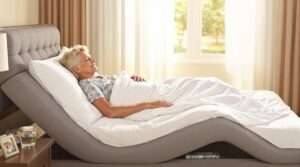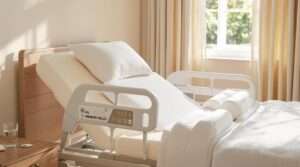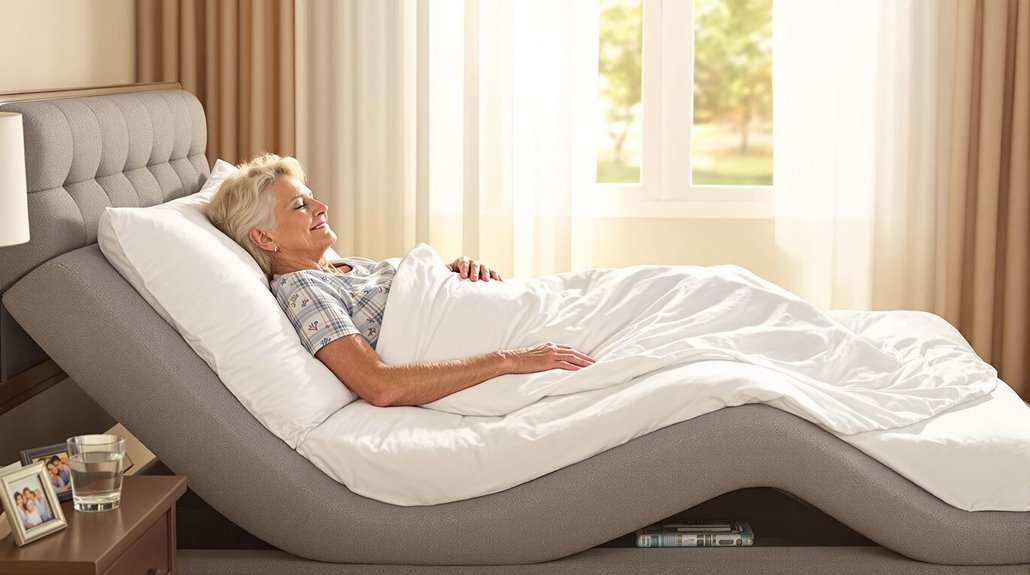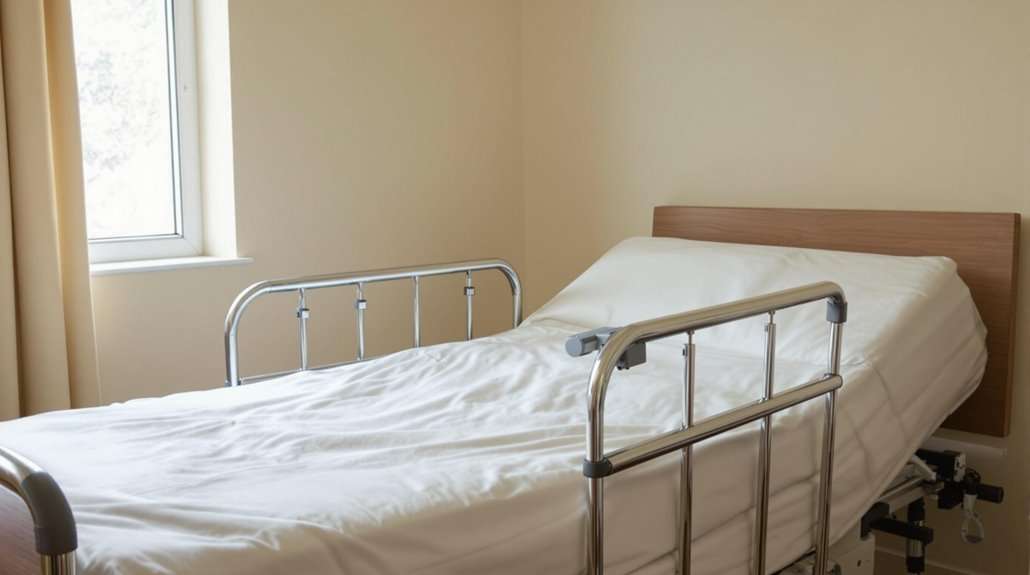



Senior beds are tailored to meet the unique needs of older adults, offering distinct differences compared to regular beds. They feature adjustable height and positioning to facilitate easy access and promote ideal comfort. Ergonomic designs and side rails enhance safety by preventing falls, while user-friendly controls allow for increased autonomy. Senior beds also incorporate advanced safety systems like alarms and non-slip surfaces. They use medical-grade materials for durability and hygiene, often providing customization options like pressure-relieving mattresses. These design elements collectively improve health outcomes and quality of life. Discover more about how these specialized beds can transform daily living.
📋✅
- Senior beds feature ergonomic designs to prevent falls and ensure ease of movement.
- They offer adjustable height settings for easier transfers and reduced fall risks.
- Senior beds include safety features like side rails, alarm systems, and non-slip surfaces.
- They provide customizable positioning to enhance comfort and address health needs.
- Senior beds use durable, medical-grade materials for hygiene and longevity.
Key Features of Senior Beds

When considering the key features of senior beds, several components stand out as essential for enhancing safety, comfort, and independence. Central to these features is an ergonomic design that caters to the unique needs of seniors. Ergonomic design in senior beds is not merely a luxury; it is a necessity for preventing falls and guaranteeing ease of movement. Features such as side rails offer critical support for seniors who may struggle with mobility or chronic health issues like arthritis, acting as both a safety measure and an aid to self-sufficiency. Adjustable beds also provide personalized care options that exceed the limitations of standard beds, allowing seniors to receive customized care tailored to their specific health conditions.
Equally important are user-friendly controls, which are indispensable for seniors to independently manage their bed settings. These controls facilitate effortless adjustment of bed heights, minimizing the risk of falls and promoting a sense of autonomy for the users. Furthermore, ergonomic design extends to the mattresses, where orthopedic options guarantee even weight distribution, alleviating pressure on sensitive body areas such as the hips, shoulders, and spine.
Incorporating alarm systems and non-slip surfaces further underscores the emphasis on safety, making senior beds not only comfortable but also secure. Collectively, these features exemplify a commitment to fostering a supportive environment that respects and enhances the well-being of seniors.
Adjustability Differences
The adjustability differences between senior and regular beds are vital in addressing specific health and comfort needs. Senior beds offer advanced height and position options, providing essential back and leg support, which is particularly beneficial for individuals managing chronic conditions such as arthritis and mobility challenges. Additionally, these beds allow for thorough customization to meet various medical requirements, enhancing both patient safety and caregiver efficiency. Unlike regular beds, hospital beds feature built-in wheels for mobility, allowing for easy relocation and adjustment in various healthcare settings.
Height and Position Options
Adjusting the height and position of senior beds markedly enhances their functionality and utility, particularly for individuals with mobility challenges. Height adjustment and position versatility are essential components in these beds, offering a wide range of benefits. Senior beds can be raised or lowered to facilitate safe and comfortable transfers, minimizing the risk of falls and injuries. This adjustability is especially beneficial in caregiving, as it reduces the physical strain on both the caregiver and the patient. In addition, hospital beds often offer Trendelenburg and Reverse Trendelenburg positions, providing medical advantages such as improved blood circulation and respiratory support. Adjustable beds are popular among seniors for their ease of use and personalized comfort, which can significantly enhance the user's overall sleeping experience.
| Feature | Benefit | Emotional Impact |
|---|---|---|
| Height Adjustment | Prevents falls and eases transfers | Safety and reassurance |
| Position Versatility | Alleviates respiratory issues | Comfort and health improvement |
| Trendelenburg Positions | Enhances medical outcomes | Hope and recovery support |
The incorporation of side rails and other safety features additionally enhances the accessibility and security of these beds. Rails come in various options, including full-length or half rails, to suit individual needs. Furthermore, casters with brakes guarantee that the bed remains stable, providing peace of mind and security. These thoughtful designs cater to the diverse needs of patients, emphasizing the importance of safety and comfort in senior care.
Back and Leg Support
Exploring the adjustability differences in back and leg support between senior and regular beds reveals significant advantages for individuals with specific health needs. Adjustable senior beds are designed to address issues such as back pain and leg elevation, which are common concerns among older adults. These beds often employ advanced materials like memory foam and latex, providing superior support and pressure relief compared to standard beds. The ability to elevate the upper body helps alleviate back pain and improves breathing, while also distributing weight evenly to reduce pressure points. In contrast to regular beds, adjustable beds offer a more customized comfort experience, allowing users to tailor their sleeping position to their personal needs.
In terms of leg support, adjustable beds offer significant benefits by allowing for leg elevation. This feature enhances blood circulation, reduces swelling in the lower extremities, and alleviates pressure on the lower back and joints. Specialized mattresses used in these beds further improve comfort and support for individuals with mobility challenges. The integration of motorized features and remote control operation in these beds allows for easy adjustments, enabling users to find ideal positions without assistance. These capabilities not only enhance comfort but also improve sleep quality, making adjustable senior beds a valuable solution for those seeking to serve others by addressing specific health needs effectively.
Customization for Medical Needs
Customization for medical needs in beds is an essential consideration, particularly for individuals with specific health requirements. Adjustability differences between senior-specific beds and regular beds play a vital role in enhancing patient comfort and providing mobility assistance. Adjustable beds, often found in domestic settings, prioritize comfort and convenience with features like massage functions and built-in lights. These beds can be positioned to alleviate symptoms such as back pain and acid reflux by elevating the head, thereby assisting with breathing and reducing reflux. However, they may lack critical safety and accessibility features needed for those with considerable medical needs.
Conversely, hospital beds are meticulously designed with health and accessibility at their core. They offer adjustable height for seamless transfer from a wheelchair and include brackets for safety rails to prevent falls. The ability to tilt into the Trendelenburg position aids in repositioning and enhancing blood flow, providing essential support for individuals with restricted mobility. Hospital beds also accommodate diverse mattress options like medical foam, catering to specific health requirements. These features not only enhance comfort but greatly contribute to maintaining independence and dignity, offering a tailored solution for senior individuals with medical needs. Additionally, hospital beds are engineered to blend the comfort of adjustable beds with medical functionality, ensuring that they meet both safety and comfort needs.
Safety Features Comparison

While adjustable beds may prioritize comfort and convenience, the safety features of hospital beds are meticulously designed to address the significant needs of individuals with medical conditions and mobility challenges. Hospital beds excel in fall prevention and mobility assistance, offering features such as adjustable height settings to facilitate safe entry and exit. This is essential for individuals at risk of falls, as the adjustable height can be tailored to the user's specific needs, minimizing the risk of injury. Additionally, hospital beds often provide proper postural support by elevating back and leg rests, which helps optimize body alignment and reduce discomfort.
| Feature | Adjustable Bed | Hospital Bed |
|---|---|---|
| Fall Prevention | Limited | Enhanced |
| Mobility Assistance | Basic | Advanced |
| Safety Accessories | Fewer | Extensive |
Hospital beds are equipped with advanced rail systems, including full, half, and assist rails, which provide customizable support and protection. These rails are critical for patients requiring mobility assistance, helping to guarantee stability while transferring in and out of bed. Additionally, hospital beds often include casters with brakes, guaranteeing safe and controlled movement, and can adopt the Trendelenburg position, beneficial for blood flow and repositioning. The extensive range of safety accessories, including alarms and additional bed rails, further emphasizes the focus on patient safety. These thorough features make hospital beds a superior choice for individuals prioritizing safety and health in their sleeping arrangements.
Mattress Customization Options
Considering the emphasis on safety features in hospital beds, it is equally important to evaluate the mattress customization options available in senior beds. The diverse range of mattresses specifically caters to the unique needs of elderly individuals, ensuring both comfort and mattress durability. Medical-grade options are tailored for specific health requirements, providing enhanced support and pressure redistribution to mitigate the risk of bedsores. These mattresses are particularly beneficial for those with limited mobility or chronic health conditions. In addition to this, the high/low feature commonly found in nursing home beds aids in patient and staff convenience, further enhancing the overall functionality and accessibility of senior beds.
Additionally, comfort preferences are addressed through a variety of firmness levels, allowing users to select a mattress that best suits their individual comfort needs. Waterproof covers further enhance mattress durability, contributing to hygiene and longevity by protecting against spills and moisture.
Senior beds also offer pressure redistribution mattresses, which are designed to evenly distribute weight and relieve pressure points. This feature not only enhances comfort but also supports overall skin integrity, an essential aspect for aging populations. Standard foam comfort mattresses are available as well, providing a balance of affordability and support.
Ultimately, the mattress customization options in senior beds are significant in promoting health, comfort, and long-term durability, vital for both users and caregivers committed to ideal care.
Health Benefits of Senior Beds

Senior beds offer a multitude of health benefits that are vital for enhancing the well-being and quality of life for elderly individuals. These beds are designed to address specific health issues that often accompany aging, such as disrupted sleep patterns and mobility challenges. By allowing for customizable heights and adjustable positioning of the head and foot, senior beds not only improve sleep quality but also aid in managing health conditions like arthritis, acid reflux, and chronic pain. The ability to elevate the legs can greatly improve blood circulation, reducing swelling and discomfort, thereby positively impacting overall health.
| Health Benefit | Senior Bed Feature | Impact on Seniors |
|---|---|---|
| Improved Sleep Patterns | Adjustable Head and Foot | Alleviates acid reflux and back pain |
| Enhanced Mobility | Customizable Heights | Eases transfers, reducing fall risk |
| Better Circulation | Leg Elevation | Reduces swelling and discomfort |
| Respiratory Assistance | Upper Body Elevation | Supports breathing in COPD patients |
| Pain and Pressure Relief | Adjustable Positions | Prevents pressure points, easing pain |
Furthermore, safety features like sturdy frames and accessible controls guarantee that seniors, including those facing mobility challenges, can maintain independence and confidence. By combining comfort, safety, and adaptability, senior beds play a vital role in promoting the health and well-being of elderly individuals.
Design and Construction Focus
In the domain of senior bed design, the use of medical-grade materials is critical to ensuring both durability and hygiene, addressing the specific health needs of elderly users. Advanced functional features, such as adjustable height mechanisms and integrated emergency call systems, serve to enhance safety and accessibility while minimizing the risk of injury. These considerations are paramount in creating a supportive and secure sleeping environment that aligns with both regulatory standards and the principles of universal design. Moreover, safety and accessibility are prioritized, as seen in senior living designs, ensuring that senior beds adhere to these essential principles, which are critical for the well-being of the residents.
Medical-Grade Material Use
Utilizing superior-grade materials in the design and construction of hospital adjustable beds is essential in guaranteeing their durability and long-term functionality. These beds undergo rigorous material specifications and durability assessments to withstand continuous use, especially in healthcare settings. High-quality materials are vital not only for structural integrity but also to accommodate the health needs of individuals with limited mobility. For instance, the inclusion of medical-grade foam mattresses aids in pressure redistribution, which is significant in preventing pressure ulcers—a common issue in immobile patients.
Moreover, these beds feature sanitization-friendly surfaces, an important aspect for patients with compromised immune systems or those requiring frequent medical attention. Waterproof mattress covers further enhance hygiene by protecting against spills and accidents, thereby reducing the risk of infections. The use of robust frames also guarantees that the beds can support various patient weights and accommodate mobility aids without compromising safety.
These considerations highlight the importance of material quality in healthcare environments, where the well-being of patients is paramount. By adhering to stringent material standards, hospital beds not only promote patient safety but also ease the caregiving process, ultimately serving the collective goal of improved healthcare outcomes.
Advanced Functional Features
Building on the importance of material quality in hospital beds, attention shifts to the advanced functional features inherent in their design and construction. These beds are equipped with smart technology that notably enhances user experience by integrating functionalities that cater to the unique needs of seniors and individuals with medical conditions. Adjustable height settings facilitate easy transfer and reduce fall risks, while elevating back and leg rests provide customizable sleeping positions to promote circulation and alleviate discomfort. Unlike adjustable beds, hospital beds often include bed rails for added safety, assisting in preventing falls and providing essential support for elderly users.
Medical air mattresses with automatic pressure redistribution are essential for those with limited mobility, guaranteeing comfort and preventing pressure sores. Additionally, integrated safety features such as full and half rails, along with assist rails, provide vital support and protection, enhancing the overall safety of the bed. Casters with brakes provide mobility without compromising stability, allowing caregivers to maneuver the bed as needed.
The inclusion of built-in massage functions further contributes to the therapeutic benefits, promoting relaxation and comfort. These advanced features, tailored through research-focused design, are instrumental in transforming the user experience of hospital beds, thereby supporting the well-being of individuals who rely on these beds for their health needs.
Usage and Suitable Settings

The versatility of senior beds plays an essential role in enhancing the quality of life for elderly individuals by addressing specific health and safety needs. These beds are indispensable in various settings, including home care, nursing homes, rehabilitation facilities, assisted living, and retirement communities. Each setting benefits from the unique features of senior beds, which are designed to provide enhanced comfort, safety, and independence. For instance, in home care environments, senior beds offer family members peace of mind through fall prevention technologies such as adjustable height and safety rails. In nursing homes and rehabilitation facilities, these beds facilitate easier access and exit, vital for patients who require frequent medical attention or physical therapy.
In assisted living and retirement communities, senior beds contribute greatly to maintaining resident autonomy and enhancing quality of life. The adjustability, high-low features, and diverse mattress options cater to a range of medical conditions, from arthritis to acid reflux. This adaptability not only supports physical health but also fosters psychological well-being by promoting independence. Furthermore, the customization capabilities of senior beds, including accessories like reading lights and storage, guarantee a personalized and comfortable living environment, further aligning with the mission to serve and support elderly individuals effectively.
Cost and Budget Considerations
When considering the cost and budget implications of senior beds, it is essential to assess the different types available, particularly hospital beds and adjustable beds, as they frequently differ in pricing and features. Conducting a thorough cost analysis aids in identifying the most suitable option for individual needs. Hospital beds, for instance, tend to be more expensive due to their advanced features and medical-grade materials, with prices starting around $1,399, including a mattress. These beds often necessitate additional budget planning for features like pressure redistribution mattresses and safety rails.
In contrast, adjustable beds offer a wider range of pricing options, making them more financially accessible for a broader audience. Their cost varies considerably depending on the brand and features, potentially resulting in lower long-term expenses due to simpler maintenance needs.
- Hospital Beds: Provide potential long-term savings by minimizing external medical assistance and preventing falls.
- Adjustable Beds: Generally lack extensive safety features but cater to comfort and wellness.
- Budget Planning: Must account for insurance coverage variances and potential out-of-pocket expenses.
Ultimately, understanding these distinctions is vital for effectively managing cost considerations while prioritizing health and safety in senior care.
Advanced Accessories in Senior Beds

Advanced accessories in senior beds play a crucial role in enhancing both safety and comfort for elderly individuals, addressing specific health needs with precision. These beds are equipped with a range of mobility aids and ergonomic enhancements that cater to the physical and medical requirements of seniors. Integrated hospital bed accessories combine functions such as adjustable bed rails and height settings, which allow for individual customization and adaptability. This guarantees that each user can modify the bed to suit their mobility needs, thereby promoting independence and reducing caregiver strain. As a part of the comprehensive support offered, senior beds often come with pressure-relief mattresses that help prevent sores and ensure user comfort.
Ergonomic enhancements are particularly significant in senior beds, providing comfort and reducing strain. Features like bedside cabinets and overbed tables are designed with ergonomic principles to support ease of use and minimize physical exertion. Additionally, advanced safety features like side rails and fall prevention accessories are meticulously designed to reduce the risk of falls and injuries, thereby enhancing safety.
Furthermore, specialized comfort and support systems, including pressure-relief mattresses and incontinence management products, assure overall well-being. These elements, combined with durable construction and infection control measures, underscore the commitment to health and safety. Ultimately, these accessories transform senior beds into all-encompassing, supportive environments tailored to the unique needs of the elderly.
Senior Bed vs. Regular Bed Versatility
The versatility of senior beds, particularly hospital beds, surpasses that of regular beds through extensive customization options and enhanced safety features. Engineered to address specific health conditions, these beds offer advanced health benefits such as superior position adjustability to alleviate symptoms like back pain and improve circulation. In contrast, regular beds lack the critical adjustability and safety elements necessary for accommodating the complex needs of seniors with mobility or medical challenges. Many senior beds also prioritize edge support, which enhances bed entry and exit, making them more practical and comfortable for older adults.
Extensive Customization Options
Senior beds' extensive customization options provide significant versatility over regular beds, catering specifically to the health and comfort needs of older adults. As customization trends evolve, more and more senior beds offer features that align with user preferences, promoting well-being and ease of use. For instance:
- Multiple Positions: High-end senior beds allow for various positions such as zero-gravity and anti-snore modes, enhancing comfort and potentially improving health outcomes.
- Control Mechanisms: Options include remote, app, and voice control, ensuring that seniors can select the most comfortable method for adjusting their bed to suit their needs.
- Comfort and Pressure Relief: Hybrid mattresses with customizable firmness and cooling features are particularly beneficial for seniors with back or joint pain, meeting their unique comfort needs. The adjustable beds are also compatible with platform beds, providing flexibility for different bedroom setups.
Such adaptability in senior beds is not merely about luxury but addresses critical health-focused aspects like pressure relief and support. With hybrid mattresses providing layered construction, these beds cater to specific physical requirements, ensuring that seniors can rest with minimal discomfort. This user-centric approach underscores the importance of integrating personalization in bed systems, making senior beds a valuable tool in enhancing the quality of life for older adults.
Enhanced Safety Features
Many senior beds incorporate enhanced safety features that offer a distinct advantage over regular beds, particularly for older adults who face mobility and health challenges. These beds are designed with fall prevention and mobility support in mind, addressing the unique needs of seniors to guarantee their safety and independence.
One of the primary features is the adjustable height mechanism, which allows the bed to be set at an ideal height, reducing fall risk and strain on joints. This customization fosters independence by enabling seniors to get in and out of bed unaided. Safety rails, another key feature, serve as a protective barrier and provide a hand-hold, minimizing the chances of rolling out of bed and enhancing mobility support. Furthermore, non-slip mats can be used in critical areas around the bed to enhance safety and prevent accidental falls.
| Feature | Benefit |
|---|---|
| Adjustable Height | Easier access, reduces fall risk |
| Safety Rails | Prevents roll-outs, offers stability |
| Slip-Free Walkways | Minimizes tripping hazards |
| Prevention and Assessment | Tailored safety measures for individual needs |
In addition, guaranteeing a slip-free environment through secure flooring and regular assessments to identify potential hazards further enhances safety. These proactive measures are essential for safeguarding seniors, offering peace of mind to caregivers and improving overall quality of life.
Advanced Health Benefits
Tapping into the advanced health benefits of senior beds reveals a clear edge over regular beds, particularly in promoting overall well-being and managing health conditions. Senior beds offer specialized features that directly enhance sleep quality and provide essential mobility support, making them a valuable asset for those experiencing health challenges.
- Alleviates Joint and Muscle Pain: Adjustable senior beds deliver targeted support to critical areas such as the knees, hips, and back. This targeted elevation can greatly reduce pressure on sensitive areas, promoting relaxation and reducing discomfort associated with conditions like arthritis.
- Customizable Comfort and Support: The ability to adjust the bed guarantees an even distribution of body weight, which not only enhances comfort but also improves sleep quality. By allowing personalized elevation for different body parts, these beds support proper spine alignment and aid in managing chronic pain.
- Circulation and Breathing Benefits: Elevating the legs in a senior bed improves circulation, reduces heart strain, and minimizes swelling in the lower extremities. This enhanced circulatory support guarantees better oxygen and nutrient delivery, preventing complications such as edema, and assisting those with breathing problems or sleep apnea. The mechanism of adjustable beds includes hinges and motors, enabling effortless adjustments that accommodate individual comfort needs.
Frequently Asked Questions
Are Senior Beds Covered by Insurance or Medicare?
Insurance coverage for senior beds often includes Medicare benefits, contingent upon the medical necessity and physician prescription. Coverage typically applies to hospital-style beds, requiring purchase from Medicare-approved suppliers, with patients responsible for deductibles and coinsurance.
How Long Do Senior Beds Typically Last?
The typical lifespan of senior beds varies based on mattress durability and longevity factors, such as materials, maintenance, and usage patterns. High-quality models may last 10-20 years, while frequent adjustments and improper care can greatly reduce their lifespan.
Can Senior Beds Accommodate Different Body Weights?
Senior beds are designed to accommodate varying body weights through enhanced weight distribution and adjustable features. These features guarantee stability, promote comfort, and improve health outcomes, making them ideal for individuals with specific weight and health needs.
Are Senior Beds Eco-Friendly or Made With Sustainable Materials?
Senior beds currently lack a focus on sustainable materials and eco-friendly options. The primary emphasis is on functionality, safety, and health benefits for seniors. Future designs could integrate sustainability, but it is not a present priority.
Do Senior Beds Require Professional Installation or Assembly?
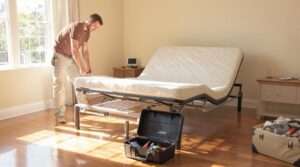
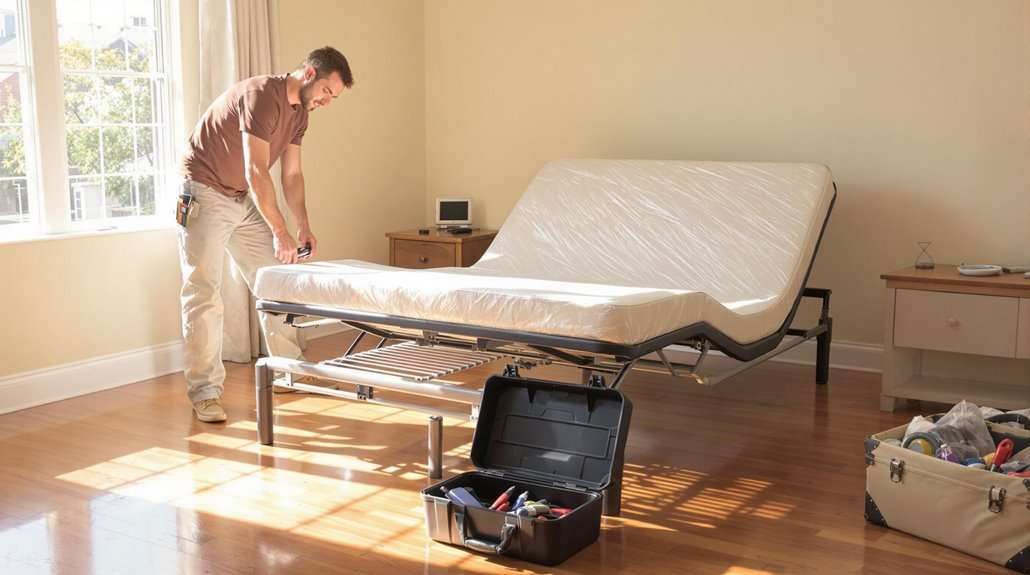
Senior beds may require professional installation, especially those with adjustable features and complex mattress options. Professional services guarantee safety, prevent warranty voidance, and accommodate health needs, providing peace of mind for individuals prioritizing service and well-being.