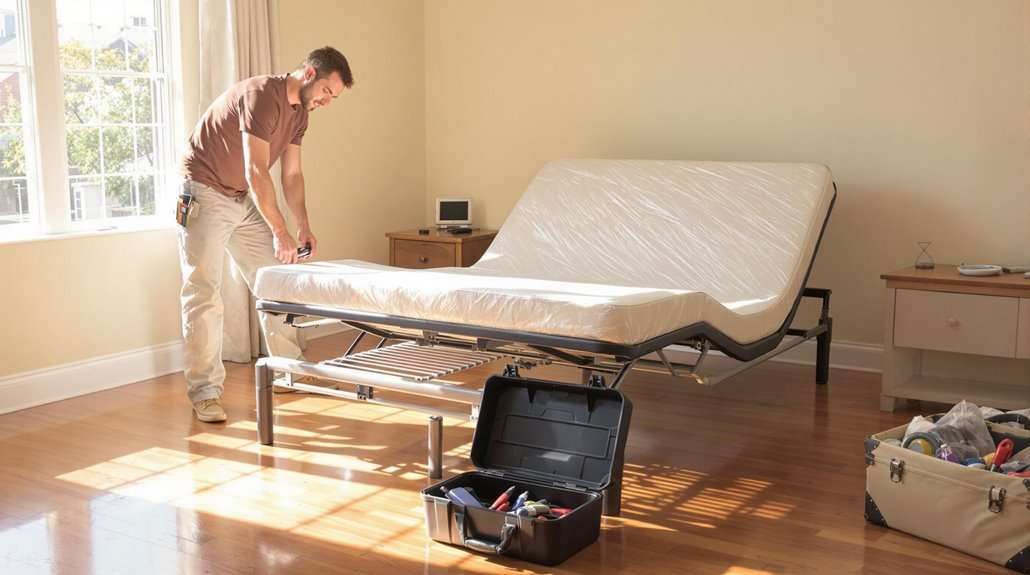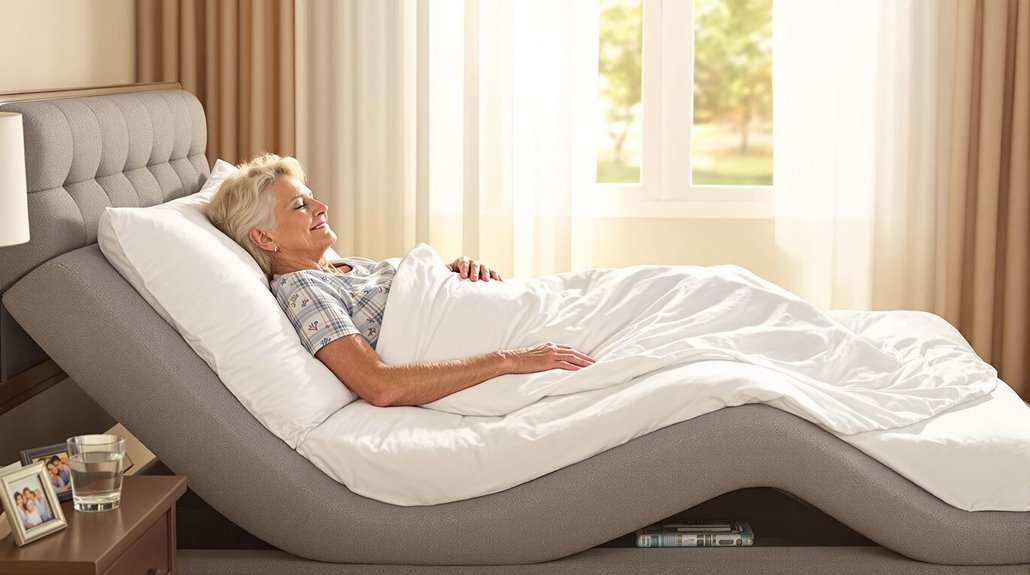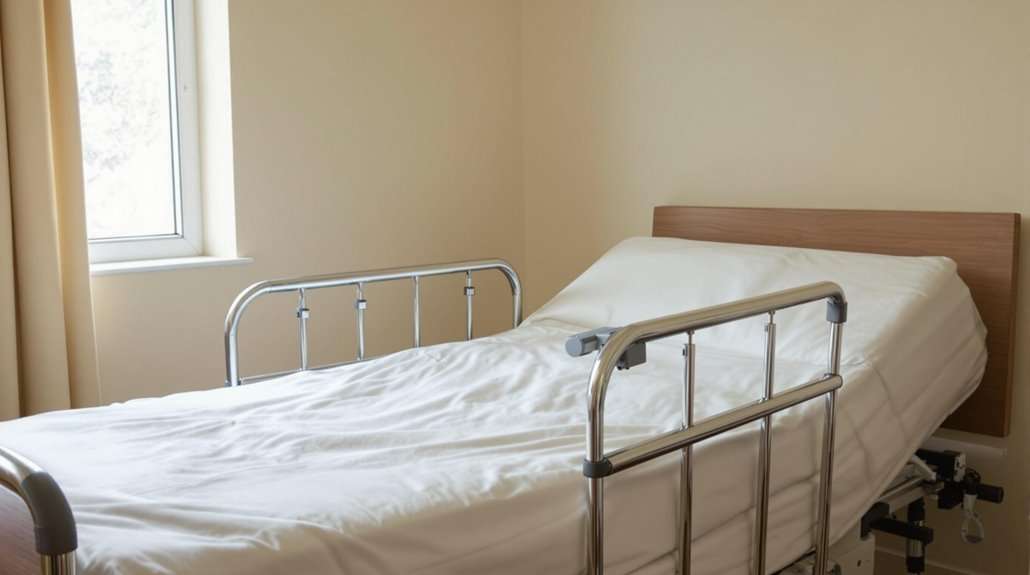



Pressure relief mattresses are essential in senior care. These specialized beds prevent pressure ulcers, commonly called bedsores. Seniors often remain in bed for extended periods, which can cause skin damage.
Pressure relief mattresses distribute body weight evenly, reducing stress on areas like the tailbone and heels.
Research indicates these mattresses are highly effective. More than 80% of high-risk older adults see benefits from using them. They not only prevent injuries but also enhance sleep quality.
Features such as breathability and temperature regulation contribute to comfort.
Several types of pressure relief mattresses are available. These include low air loss, air fluidized, memory foam, and hybrid options. Each type is suitable for different needs and risk levels.
Some use alternating pressure to further minimize problem areas.
Medicare may provide coverage for these mattresses when prescribed. This improves access for seniors who require them. Caregivers should seek medical advice to select the appropriate mattress.
Pressure relief mattresses provide more than just comfort. They are crucial for maintaining seniors’ health and safety. The following sections will examine how these beds function.
📋✅
- Pressure relief mattresses prevent painful sores in seniors by spreading body weight evenly and reducing stress on bony areas like hips and heels.
- These specialized beds come in various types, including low air loss, air fluidized, memory foam, and hybrid mattresses, each offering unique benefits for older adults.
- Over 80% of seniors are at high risk for pressure ulcers, making pressure relief mattresses crucial for their care and comfort.
- Top brands like Invacare, Drive Medical, and Medline offer senior-friendly beds with features such as adjustable heights, side rails, and fall prevention alarms.
- Dr. Emily Chen, a geriatric specialist, recommends rotating positions every two hours and using pillows for extra support to enhance the effectiveness of pressure relief mattresses.
Understanding Pressure Ulcers

Pressure ulcers are painful sores that develop on skin subjected to constant pressure. They frequently appear in areas where bones are near the skin’s surface, such as hips, heels, and tailbones.
What are pressure ulcers?
Pressure ulcers are skin injuries that occur when a person remains in one position for extended periods. They develop on areas where bones press against the skin, such as hips or heels.
These sores begin as red patches and can progress into deep wounds. Older adults are at higher risk for pressure ulcers due to reduced mobility.
Medical professionals classify pressure ulcers into four stages based on severity. Stage 1 presents as red skin that doesn’t blanch when pressed. In stage 4, the ulcer has penetrated through skin and fat layers, reaching muscle or bone.
Prompt intervention is crucial to prevent these sores from progressing and causing further complications.
Common areas for development
Building on our understanding of pressure ulcers, we’ll examine their common locations. Pressure sores typically develop in specific areas of the body. These areas are where bones are close to the skin and bear weight when a person lies down or sits for long periods.
The most frequent locations for pressure ulcers are the tailbone, heels, and hips. Studies show that 65% of older adults receiving home care develop these sores. Other vulnerable areas include the elbows, ankles, and back of the head.
For individuals using wheelchairs, the buttocks and shoulder blades are also susceptible. Caregivers should regularly inspect these areas to detect any early signs of skin damage. Frequent repositioning and specialized mattresses can help prevent these painful sores.
Importance of Pressure Relief Mattresses for Seniors
Pressure relief mattresses are essential in senior care. They prevent uncomfortable skin issues and enhance sleep quality for older adults.
Prevention of pressure ulcers
Pressure relief mattresses are essential in preventing bed sores. These specialized beds distribute body weight evenly, reducing pressure points that can damage skin. Quality mattresses also maintain skin dryness and comfort.
They’re crucial for seniors with limited mobility. More than 80% of older adults are at high risk for pressure sores, highlighting the importance of using an appropriate mattress.
Caregivers should select a mattress that suits their loved one’s specific requirements. Memory foam and air mattresses are common options. They conform to the body and minimize friction.
Some beds automatically adjust pressure. This improves blood circulation and maintains skin health. Proper care combined with a suitable mattress can significantly reduce the risk of painful sores.
Enhanced comfort and sleep quality
Pressure relief mattresses help seniors sleep better. They spread body weight evenly, which eases aches and pains. This leads to less tossing and turning at night. Seniors wake up feeling more rested and refreshed.
These special beds also keep skin dry and cool. They allow air to flow, reducing sweat and moisture buildup. Dry skin is less likely to develop sores or rashes. Comfort and good sleep are key for seniors’ health.
There are several types of pressure relief mattresses available for consideration.
Types of Pressure Relief Mattresses
Pressure relief mattresses are available in various designs. Each design functions uniquely to assist seniors in preventing sores and improving their sleep quality.
Low air loss mattresses
Low air loss mattresses aid seniors in preventing bedsores. These specialized beds feature minuscule openings that allow air circulation. This airflow maintains skin dryness and coolness while distributing body pressure.
Seniors with limited mobility gain the most advantage from these mattresses.
These mattresses prove effective for high-risk wounds as well. They minimize friction and moisture on the skin, promoting faster wound healing. Caregivers in nursing homes and hospitals find these beds beneficial.
They simplify care for seniors who spend extended periods in bed.
Air fluidized mattresses
Moving from low air loss mattresses, we find another option for pressure relief: air fluidized beds. These specialized beds use tiny ceramic beads and air to create a fluid-like surface.
The beads move freely when air flows through them, helping to distribute body weight evenly.
Air fluidized mattresses are effective for individuals with severe pressure injuries. They adjust airflow to maintain skin dryness and comfort. This type of bed can help reduce pain and accelerate healing.
Despite their higher cost, they provide excellent support for seniors requiring additional care.
Memory foam mattresses
Memory foam mattresses adjust to the body’s contours. They distribute weight uniformly and reduce pressure on joints. This helps prevent sores in older adults who spend extended periods in bed.
The foam also maintains its shape, providing consistent support throughout the night.
These mattresses are available in various firmness options. Some incorporate gel or specialized materials for temperature regulation. This helps older adults stay cool and comfortable during sleep.
Memory foam can significantly improve sleep quality for seniors.
Hybrid mattresses
Hybrid mattresses combine the advantages of different materials. They incorporate coils with foam or latex layers. This combination provides both support and comfort. The coils create a sturdy foundation, while the top layers conform to the body.
This blend helps distribute weight evenly across the mattress.
For seniors, hybrid mattresses can be an excellent option. They minimize pressure points that may lead to discomfort. The foam layers provide cushioning for sensitive areas like hips and shoulders.
Simultaneously, the coils assist with ease of movement in bed. This balance of features makes hybrid mattresses a popular choice among older adults. These beds work to maintain comfort and safety for seniors.
How Pressure Relief Mattresses Work
Pressure relief mattresses distribute body weight evenly and reduce pressure points. They maintain skin dryness and comfort as well. For more information on how these beds benefit seniors, continue reading.
Distributing body weight evenly
Pressure relief mattresses distribute a person’s weight across the bed, preventing excessive pressure on any single area. The mattress adapts to body movements, providing uniform support from head to toe.
This consistent support is crucial for seniors with limited mobility.
These specialized mattresses employ various techniques to distribute weight. Some feature air chambers that adjust inflation levels, while others use foam that conforms to the body’s contours.
The objective remains consistent – to minimize force on bony areas, reducing the risk of sores and improving sleep quality for seniors.
Reducing pressure points
Pressure relief mattresses distribute body weight evenly. This reduces areas where excessive force impacts the skin. The mattress conforms to the body’s contours, reducing stress on bony prominences such as hips and shoulders.
It also promotes skin dryness and comfort. For seniors with limited mobility, these beds play a crucial role in preventing pressure sores.
Quality mattresses incorporate specialized foam or air systems to minimize pressure points. They adjust support as necessary, ensuring no area sustains excessive weight for extended periods.
This continuous adjustment promotes improved blood circulation throughout the body. Enhanced blood flow contributes to healthier skin that’s less prone to breakdown or ulcer formation.
Maintaining skin dryness and comfort
Pressure relief mattresses help maintain skin dryness and comfort. They incorporate materials that draw moisture away from the body, preventing sweat accumulation on the skin. Dry skin is less prone to breakdown or sores.
Many mattresses also feature air circulation systems, which move air beneath the body to maintain coolness and dryness.
Comfort is essential for seniors who spend significant time in bed. Soft, supportive surfaces minimize joint and muscle pain. They also help prevent the formation of stiff areas. Quality mattresses conform to body contours and distribute weight evenly, reducing pressure on bony regions such as hips and shoulders.
Seniors experience improved sleep and feel more rested on a suitable mattress.
Top Brands of Senior-Friendly Beds
Senior-friendly beds are essential for comfort and safety for older adults. Here’s a list of top brands recognized for their quality and features:
- Invacare: Provides electric hospital beds with adjustable height and head/foot positions. Their beds often include side rails and user-friendly controls.
- Drive Medical: Offers a selection of home care beds with sturdy frames and quiet motors. Many models feature integrated bed rails and waterproof mattresses.
- Medline: Produces beds with low heights to help reduce fall risks. Their beds often come with backup battery power and easy-to-clean surfaces.
- Hill-Rom: Creates beds with advanced pressure relief systems. These beds often include integrated scales and fall prevention alarms.
- Joerns Healthcare: Designs beds with extra-wide sleep surfaces for larger users. Their beds often feature user-friendly hand controls and quiet motors.
- Transfer Master: Focuses on adjustable beds with split-king options for couples. Many models include massage features and under-bed lighting.
- Span America: Produces beds with integrated air mattress systems for pressure relief. Their beds often include features like integrated scales and bed exit alarms.
Additional Support Features
Pressure relief mattresses offer valuable support for seniors, but they’re not the only option available. Several other tools can enhance comfort and help prevent sores. When used alongside a specialized mattress, these additional items can provide an even higher level of care and well-being for older adults.
Alternating pressure mattress overlays
Alternating pressure mattress overlays provide an effective solution for seniors to prevent bed sores. These devices are placed on top of standard mattresses and feature air-filled cells.
A compact pump circulates air between the cells, shifting pressure points at regular intervals. This movement promotes blood circulation and maintains skin health. The overlays are portable and more cost-effective than specialized full mattresses.
They are suitable for home use or temporary care situations.
These overlays are beneficial for caregivers assisting seniors with limited mobility in bed. The changing air pressure redistributes body weight automatically. This reduces pressure on areas such as the hips, back, and heels.
Many overlays also include waterproof covers to maintain dry skin. For optimal outcomes, combine these with other care practices such as regular repositioning and proper nutrition.
Pressure relief cushions
Shifting our focus from mattress overlays, we’ll examine another beneficial item for seniors. Pressure relief cushions are essential for comfort, especially for those who spend significant time sitting.
These cushions distribute weight evenly across the seated surface, helping to prevent discomfort and sores in high-pressure areas.
There are two primary types of pressure relief cushions: foam and gel. Foam cushions conform to the body’s contours, providing support where it’s most needed. Gel cushions feature a fluid-like core that adjusts with movement, preventing the formation of pressure points.
Both varieties help maintain dry and cool skin. These cushions can significantly improve comfort and health for seniors who use wheelchairs or remain seated for extended periods.
Mattress toppers
Mattress toppers provide a swift solution for seniors seeking additional comfort. These slim layers rest atop existing mattresses, providing extra cushioning and support. They’re available in different materials such as memory foam, latex, or gel-infused foam.
Toppers can alleviate pressure points and enhance sleep quality without the expense of a new mattress.
Caregivers find toppers convenient to install or remove as required. They’re also straightforward to clean, aiding in maintaining hygiene. Some toppers feature cooling properties to assist in regulating body temperature.
This can be particularly beneficial for seniors who experience overheating during the night. The process of selecting an appropriate pressure relief mattress is the next topic to consider.
Choosing the Right Pressure Relief Mattress
Selecting an appropriate pressure relief mattress for seniors requires consideration of individual needs. Consult with healthcare professionals for personalized recommendations. Visit BedForSeniors.com to find information about mattress options that may improve sleep quality and support overall health for your loved one.
Consider the specific needs of the senior
Seniors have specific requirements for mattresses due to their physical conditions. Their bodies may be more susceptible to discomfort and pressure-related issues. A mattress designed for pressure relief considers these factors.
It should provide an optimal balance of support and cushioning for aging joints and muscles.
The ideal mattress for a senior varies based on their health condition and mobility. An individual with diabetes might require additional protection against skin issues. Someone with arthritis may need extra cushioning for sensitive areas.
Consulting a doctor can help identify the most crucial features to consider when selecting a mattress.
Consult healthcare professionals
Healthcare professionals can assist in selecting an appropriate pressure relief mattress. They have the best understanding of a senior’s health requirements. Physicians, nurses, and therapists can recommend mattresses that address specific concerns.
They will consider factors such as skin condition, movement ability, and current health issues.
Seeking professional guidance is important for quality care. Experts can clarify the functions of various mattresses. They will also provide advice on safe usage. This information helps family caregivers make informed decisions regarding their loved ones’ comfort and well-being.
Pressure relief mattresses play a vital role in senior care. They prevent sores, improve comfort, and enhance sleep quality. These beds distribute weight evenly and reduce pressure points.
Seniors and caregivers should choose mattresses based on specific needs.
Dr. Emily Chen, a geriatric specialist with 20 years of experience, shares her insights:.
“Pressure relief mattresses are significant improvements for seniors. They address key issues like skin breakdown and discomfort. The technology behind these mattresses is noteworthy.
It adapts to body contours and promotes blood flow.”.
Dr. Chen emphasizes safety and transparency in the industry:.
“Look for certifications and compliance with health standards. Reputable companies are open about their materials and testing processes. This transparency is essential for trust and safety.”.
For daily use, Dr. Chen advises:.
“Rotate positions every two hours, even with a pressure relief mattress. Use pillows for extra support. Keep the skin clean and moisturized. These steps improve the mattress’s effectiveness.”.
Dr. Chen considers the pros and cons:.
“These mattresses reduce ulcer risk and improve sleep. But they can be pricey and some seniors find them too soft. Compare options and try before buying if possible.”.
Dr. Chen states:.
“For most seniors at risk of pressure sores, these mattresses are worth the investment. They offer comfort and health benefits that outweigh the costs. Always consult a healthcare provider for personalized advice.”.
For a comprehensive list of the top brands that produce senior-friendly beds, please visit our detailed guide.
Related Questions
1. What are pressure relief mattresses?
Pressure relief mattresses help seniors by spreading out weight. They cut down on tissue damage and skin breakdown. These mattresses come in types like alternating pressure or viscoelastic foam. They aim to boost patient comfort and safety.
2. How do these mattresses prevent pressure sores?
These mattresses work to stop pressure sores by moving weight around. This helps keep skin healthy. The National Institute for Health and Care Excellence (NICE) says these mattresses can help. They’re good for folks who can’t move much or have poor nutrition.
3. Are pressure relief mattresses good for all seniors?
Not all seniors need these mattresses. Doctors use tools like the Braden Scale to check who needs them. They look at things like how much a person moves and if they have health issues. Seniors with diabetes or who are bedridden might benefit most.
4. Do pressure relief mattresses help with pain?
Yes, these mattresses can ease pain. They’re good for chronic back pain or pain from broken bones. The mattresses spread out pressure, which can make lying down more comfy. This can lead to better sleep and less pain.
5. How do care homes use pressure relief mattresses?
Care homes often use these mattresses to keep residents safe. They’re part of a bigger plan to stop pressure sores. Staff check skin often and help folks move. The mattresses work with other care to keep seniors healthy and comfy.
6. What does research say about these mattresses?
Studies show these mattresses can help. A big review called a network meta-analysis looked at lots of research. It found that these mattresses can stop pressure sores. But we need more good studies to be sure. The National Health Service in England uses this info to make rules about mattress use.