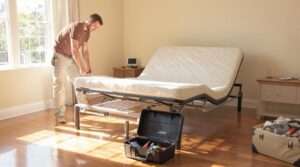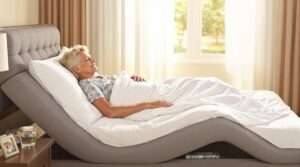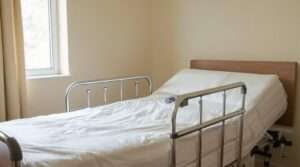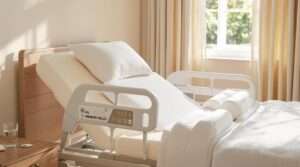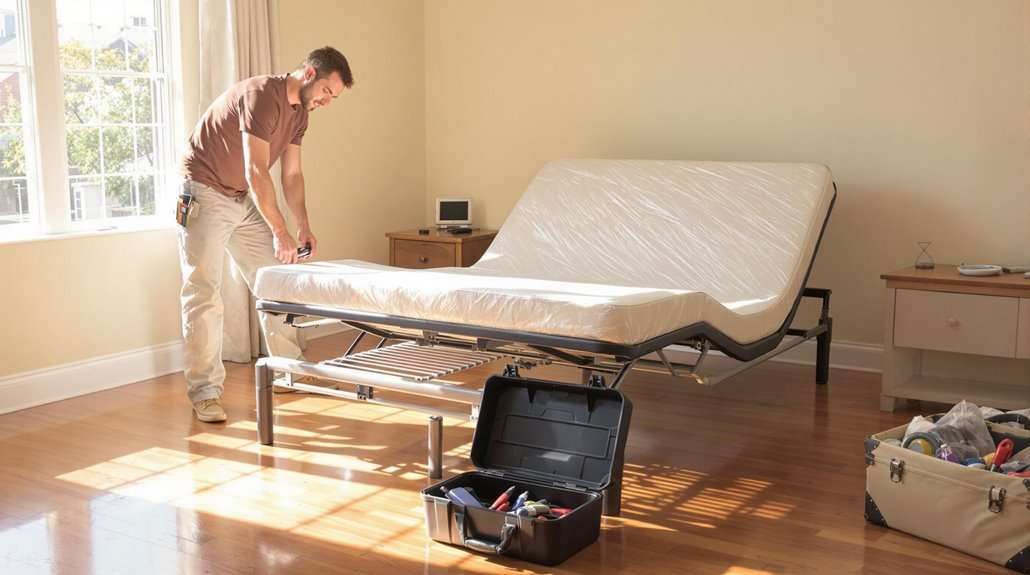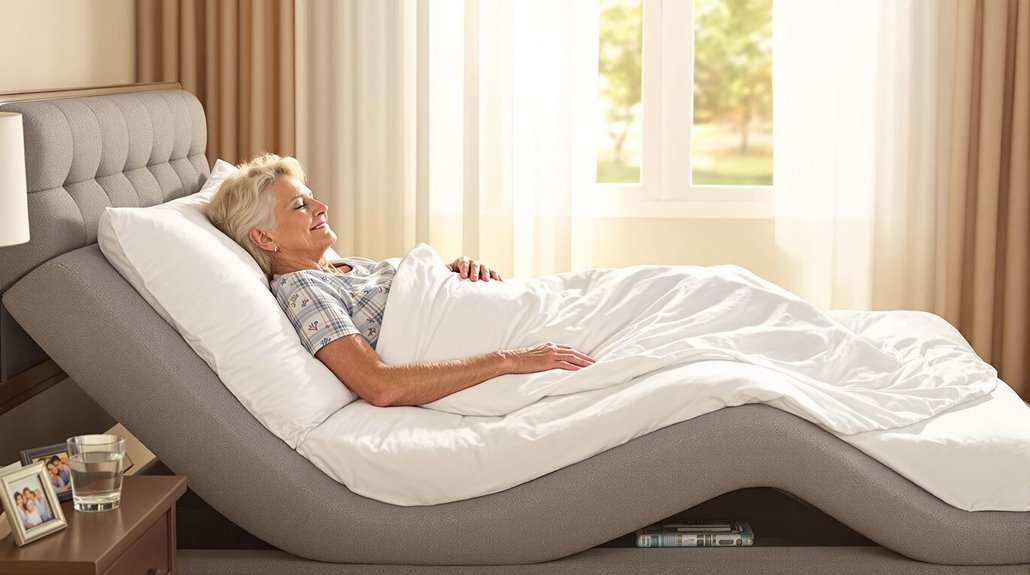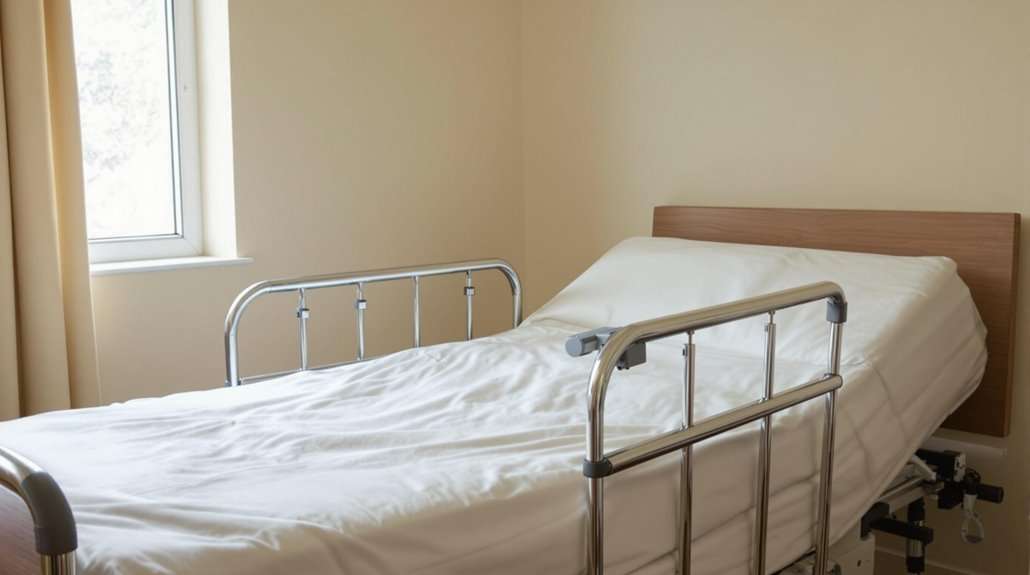



Specialized elderly beds address multiple age-related health challenges through advanced features and design. These beds offer customizable positioning to manage back pain, joint discomfort, and circulation issues while promoting better sleep quality. Adjustable heights and integrated support systems enhance mobility and independence, reducing fall risks and caregiver strain. The beds' elevation controls help minimize respiratory problems, acid reflux, and swelling in the extremities. Safety features like non-slip surfaces and proper rail systems provide essential protection without compromising comfort. Modern elderly bed technology continues to evolve, offering increasingly sophisticated solutions for aging-related health management and quality of life improvement.
📋✅
- Adjustable bed positions improve breathing and reduce symptoms of sleep apnea, acid reflux, and COPD through elevated upper body positioning.
- Medium-firm to firm mattress support systems maintain proper spinal alignment and reduce back pain in elderly individuals.
- Customizable height settings and integrated grab bars enhance safe bed transfers, promoting independence and reducing fall risks.
- Pressure-relieving materials and zoned support systems prevent pressure sores and improve blood circulation throughout the body.
- Enhanced bed positioning options help caregivers provide better care while reducing physical strain during patient assistance tasks.
Managing Back and Joint Pain

Managing back and joint pain comes down to selecting the right mattress with appropriate support features and comfort layers. Modern mattress technology has evolved to address the specific needs of seniors experiencing musculoskeletal discomfort, incorporating targeted support zones and pressure-relieving materials. Products like the Nectar Luxe Hybrid offer excellent pressure relief that specifically targets sensitive joints. Many patients find that sleeping at an incline can significantly reduce back discomfort and improve overall sleep quality.
For ideal pain relief, elderly beds should feature medium-firm to firm support systems that maintain proper spinal alignment while preventing excessive sinking. The most effective designs utilize multiple layers, combining supportive coils or high-density foam bases with comfort layers of memory foam or latex. These materials adapt to individual body shapes while providing essential support to sensitive areas like shoulders, hips, and the lower back.
Research demonstrates that zoned support systems are particularly beneficial, offering varying levels of firmness across different sections of the mattress. This specialized construction helps distribute weight evenly and reduces pressure points that can exacerbate joint pain. Strong edge support is equally important, facilitating safe bed entry and exit. When combined with adjustable bed features, these elements create a thorough sleep solution that addresses both chronic and acute pain issues while promoting better sleep quality for aging individuals.
Sleep Quality and Rest
With aging populations facing increased sleep challenges, the quality of rest becomes a crucial factor in maintaining overall health and well-being. Adjustable beds offer extensive solutions for addressing common sleep disorders and promoting restorative rest through customizable positioning and support features. Side sleeping positions with supportive pillows placed between the knees provide optimal comfort and pain relief. The beds are especially beneficial for those recovering from surgery, offering precise elevation control for enhanced healing and comfort.
These specialized beds effectively manage various sleep-related conditions through elevation control, which helps reduce acid reflux and minimize snoring and sleep apnea symptoms. The ability to adjust head and foot positions promotes better breathing and circulation, leading to fewer sleep disruptions and more consistent rest patterns.
For elderly individuals dealing with chronic conditions, adjustable beds provide targeted pressure relief and personalized comfort settings. The programmable features allow users to find ideal positions that address specific health concerns while maintaining proper spinal alignment throughout the night. The long-term health benefits include improved circulation, reduced joint pain, and better management of respiratory issues.
Additionally, these beds create a healthier sleep environment by offering adjustable firmness levels and dual-adjustment capabilities, ensuring that each user can achieve their perfect sleep position. This customization helps establish consistent sleep patterns and contributes to enhanced overall well-being through quality rest.
Freedom of Movement

Furthermore, these beds facilitate independence in daily activities, allowing seniors to comfortably engage in reading, watching television, or socializing. This enhanced autonomy helps prevent muscle atrophy and joint stiffness while supporting active participation in daily routines. The customizable height settings make it easier for seniors to safely get in and out of bed without assistance. A key benefit is improved breathing and comfort through elevated head positions for those with respiratory conditions. The result is a thorough solution that addresses both immediate mobility needs and long-term health considerations, ultimately supporting a more active and independent lifestyle for elderly individuals.
Breathing and Blood Flow
Respiratory health and circulation patterns greatly improve with the strategic use of adjustable elderly beds. By elevating the upper body, these beds facilitate better airway management, which is particularly beneficial for seniors with conditions like sleep apnea and COPD. This positioning enhances oxygen therapy effectiveness and promotes ideal breathing patterns during rest periods. Similar to how user experience design improves website accessibility, these beds are engineered for optimal comfort and usability. Parasympathetic activation during proper bed positioning helps improve digestion and overall relaxation.
The ability to adjust bed positions offers significant advantages for blood circulation. When legs are elevated, blood flow back to the heart improves, reducing the risk of edema and blood clots – common concerns among elderly individuals with limited mobility. This enhanced circulation contributes to better oxygen distribution throughout the body, supporting essential organ function and tissue health.
Regular breathing exercises, combined with proper bed positioning, create a thorough approach to respiratory health management. Deep breathing techniques increase lung capacity and improve oxygen exchange, while the bed's adjustable features maintain proper spinal alignment. This combination helps reduce respiratory difficulties, manages hypertension through stress reduction, and supports overall cardiovascular health. The customizable nature of these beds allows healthcare providers to tailor positions according to each patient's specific circulatory and respiratory needs.
Safety and Pressure Prevention

The implementation of extensive safety measures in elderly beds represents a critical aspect of geriatric care. While bed rail safety remains a fundamental consideration, healthcare providers must carefully balance fall prevention with potential entrapment risks. Studies indicate that between 1985 and 2009, bed rail accidents resulted in 480 deaths, highlighting the importance of proper assessment and implementation of safety features. With over 3 million seniors treated for fall injuries annually, the need for comprehensive bed safety solutions has never been more crucial. Bed rails provide sturdy support handles for elderly patients to independently reposition themselves, promoting both safety and autonomy.
Modern elderly beds incorporate multiple safety mechanisms beyond traditional rails. Adjustable height features allow beds to be positioned close to the floor, greatly reducing fall risks while maintaining accessibility for caregivers. The integration of non-slip mattress pads and secured vertical poles provides additional support for mobility without compromising safety. For patients requiring enhanced protection, full-length rails with proper spacing and secure attachment points can be utilized, while half-length rails may suffice for more independent individuals.
Alternative safety measures, including bedside mats and transfer aids, complement these features while addressing pressure-related concerns. Regular monitoring and proactive care strategies, such as anticipating basic needs, further enhance the effectiveness of these safety measures, creating a thorough approach to elderly bed safety.
Frequently Asked Questions
How Long Does It Typically Take to Adjust to Sleeping in an Elderly Bed?
The typical adjustment period varies by individual, ranging from immediate comfort to several nights. Sleep quality usually improves as users adapt to new positions, with most people fully adjusting within one to two weeks.
Can Elderly Beds Be Used With Existing Bedroom Furniture and Decor?
Studies show 85% of elderly beds are designed for seamless integration. Modern models offer excellent furniture compatibility through modular designs and customizable dimensions, while maintaining bedroom aesthetics with various styles and finishes to match existing decor.
What Maintenance and Cleaning Procedures Are Required for Elderly Beds?
Regular cleaning of bed materials and safety features requires daily dusting, surface disinfection, and component inspection. Deep cleaning, sanitization, and professional maintenance should be performed periodically to guarantee ideal functionality and hygiene standards.
Are Elderly Beds Covered by Insurance or Medicare?
Like traversing a complex maze, insurance coverage for elderly beds varies. Medicare Part B provides eligibility for medically necessary beds with proper documentation, while private insurance plans offer coverage based on specific policy requirements and medical necessity.
How Much Weight Can an Elderly Bed Safely Support?
Most elderly beds feature weight capacity ranges from 350 to 600 pounds, with specific safety features designed for heavier users. Always consult manufacturer specifications and product guidelines for exact weight limits and recommendations.
Specialized elderly beds serve as vital medical equipment in addressing multiple age-related health challenges. While the initial cost may present concerns, the long-term benefits in preventing complications and reducing healthcare expenses justify the investment. These beds' extensive features – from articulation for pain management to pressure redistribution systems – provide essential support for aging adults' physical wellbeing, mobility, and independence, ultimately contributing to improved quality of life and reduced caregiver burden.