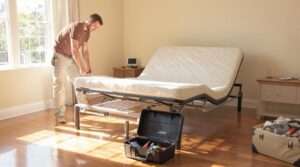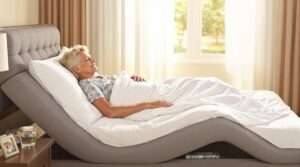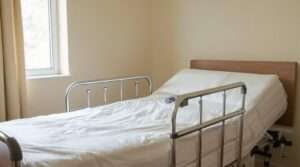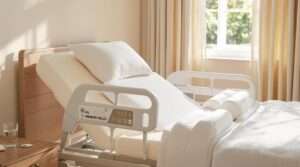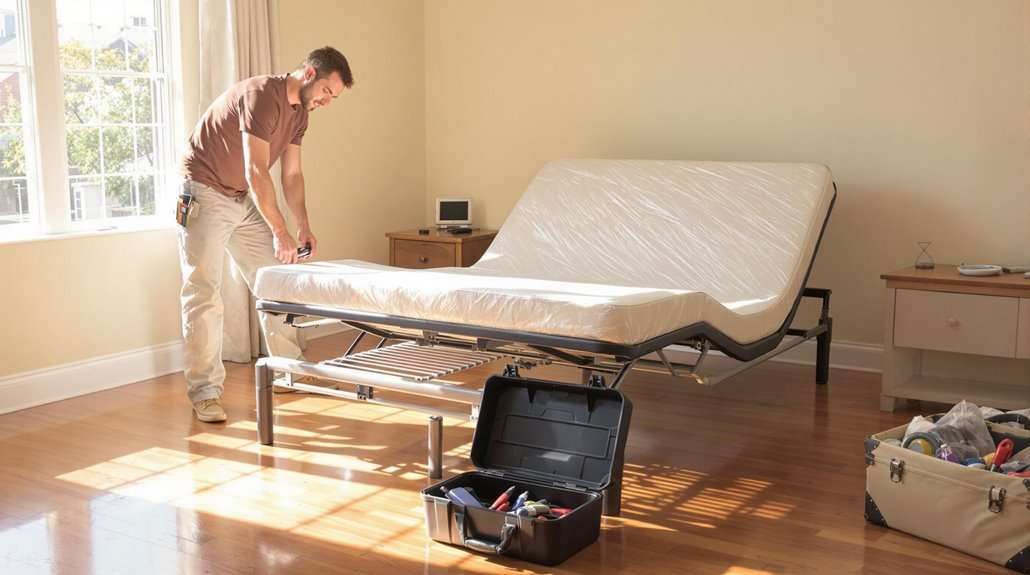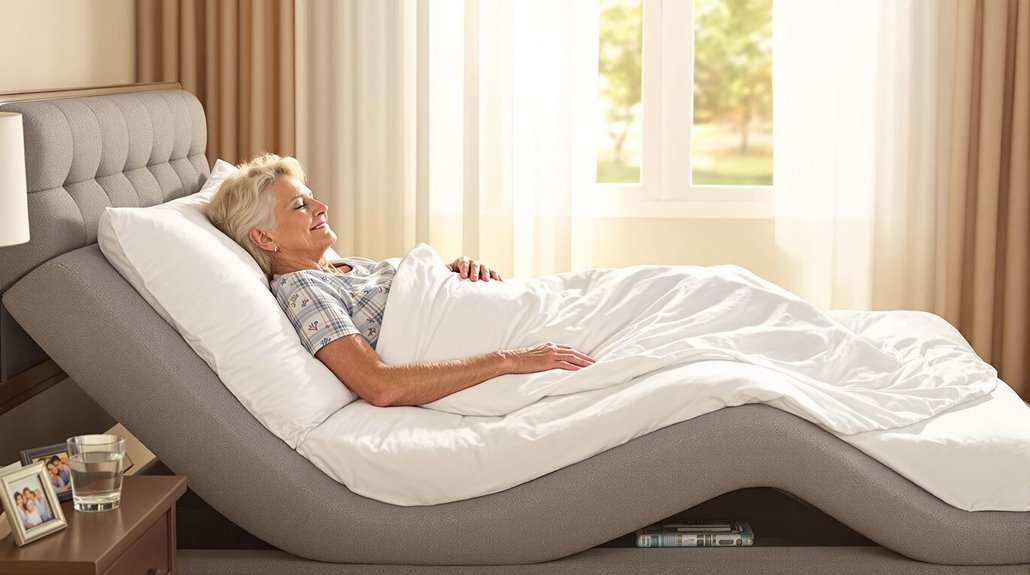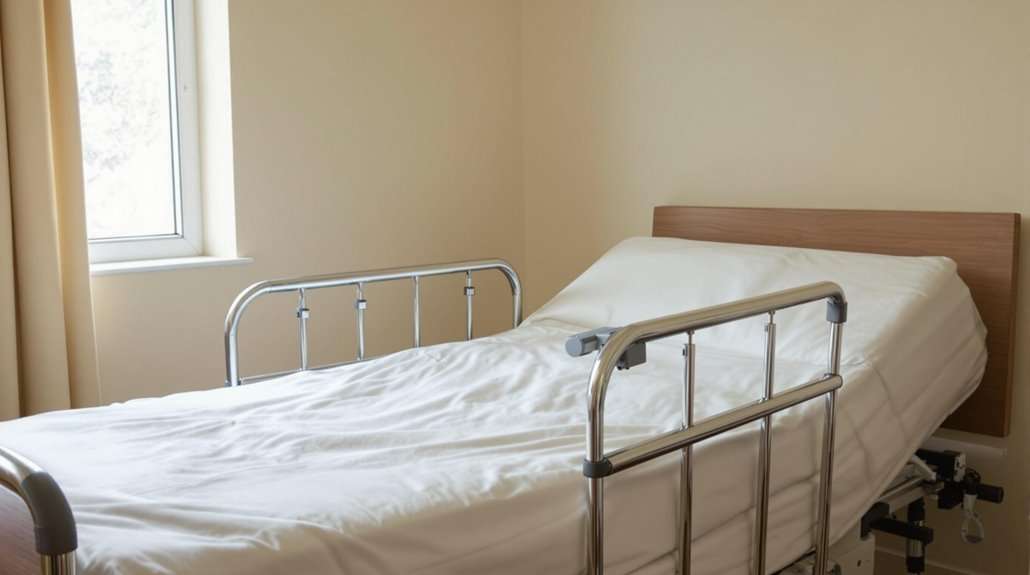



Elderly beds incorporate specialized medical features that standard beds lack, including adjustable positioning for head, foot, and height settings. These beds feature advanced safety systems like bed exit alarms, motion sensors, and sturdy safety rails to prevent falls. Medical-grade construction includes pressure redistribution technology and antimicrobial surfaces for enhanced hygiene and infection control. Height adjustability mechanisms and mobility features support easier transfers and caregiver assistance, while integrated monitoring systems enable continuous patient surveillance. Built-in emergency response capabilities and specialized mattress technology promote better circulation and prevent pressure sores. Understanding these key differences helps guarantee superior care and safety for aging individuals.
📋✅
- Elderly beds feature adjustable head, foot, and height positions for medical needs, while standard beds typically offer fixed positions only.
- Built-in safety features like bed rails, exit alarms, and motion sensors protect seniors, unlike basic standard beds.
- Medical-grade materials and pressure redistribution systems prevent bedsores and improve circulation, features absent in standard beds.
- Emergency response systems and monitoring capabilities allow immediate caregiver alerts, not available in conventional beds.
- Height adjustability with specialized motor systems aids mobility and independence, compared to standard beds' fixed height.
Medical Features and Design Elements

While standard beds primarily focus on basic comfort and rest, elderly beds incorporate sophisticated medical features and design elements that fundamentally transform patient care and recovery. These specialized beds feature extensive adjustable positions, including head and foot sections, Trendelenburg capabilities, and customizable height settings that accommodate specific medical conditions and facilitate proper patient positioning. Many models offer low-height settings that significantly reduce fall risks for vulnerable patients.
The ergonomic design of elderly beds addresses critical healthcare needs through Clinical-Contour technology that minimizes pressure points and reduces skin shear. These beds include expandable width options and specialized mattress compatibility to guarantee ideal comfort for various patient conditions. The thoughtful engineering extends to practical elements such as under-bed clearance for medical equipment and soft wall bumpers for safety. The addition of side safety rails helps prevent accidental falls while maintaining hospital-level security.
Medical functionality is further enhanced through integrated features like bed exit alarms and strategic placement of grab bars, supporting both patient safety and caregiver efficiency. The beds' construction prioritizes infection control through antimicrobial materials and easily cleanable surfaces, while maintaining structural integrity for long-term use. These design elements work together to create a medical-grade sleep solution that supports both therapeutic outcomes and daily care routines.
Safety Rail Systems
Three fundamental differences distinguish elderly bed safety rail systems from standard bed rails, starting with their thorough safety features and medical-grade construction. The design incorporates three horizontal stabilizing bars and a wider under-bed support rail, complemented by an adjustable frame safety strap for enhanced stability and security. These essential features help protect 3 million seniors annually who require treatment for fall-related injuries.
Recent safety rail innovations have integrated advanced features like motion sensor lighting, which detects movement within 110 degrees at 15 feet. This rechargeable lighting system, secured through magnetic connections, illuminates pathways to reduce nighttime fall risks. Additional storage pockets provide convenient access to essential items. Similar to the Human Touch massagers, these safety features are specifically designed to provide relief and support for aging individuals.
Installation guidelines emphasize critical safety considerations to prevent entrapment hazards. The rails must be properly secured to prevent gaps that could lead to strangulation or suffocation risks. These systems are specifically designed for twin, queen, and king-size beds, featuring adjustable height capabilities to accommodate various mattress dimensions. Professional installation guarantees compliance with safety standards and peak functionality. Unlike standard bed rails, elderly bed safety systems require strict adherence to usage restrictions, particularly avoiding use with children or specialized beds such as bunk, water, or inflatable mattresses.
Height Adjustability Mechanisms

Height adjustability mechanisms in elderly beds fundamentally differ from standard beds through their sophisticated dual and single motor systems. These user friendly adjustments enable caregivers and residents to modify bed positions with minimal physical effort, promoting both comfort and independence. The ergonomic design incorporates features like anti-slip surfaces and retainer bars to guarantee safety during position changes. Similar to modern adjustable beds, these mechanisms can help residents experiencing acid reflux and pain through strategic elevation. Regular maintenance ensures optimal performance through cleaning moving parts and periodic inspections.
| Feature | Elderly Beds | Standard Beds |
|---|---|---|
| Height Control | Motorized adjustment | Fixed height |
| Position Changes | Remote-controlled | Manual only |
| Wall Distance | Wall-hugging technology | Static positioning |
| Power Backup | Battery backup systems | Not applicable |
The mechanisms offer therapeutic benefits beyond basic comfort. Elevating specific sections can improve circulation, alleviate back pain, and enhance breathing quality. For healthcare providers, these adjustable features facilitate better patient care and reduce physical strain during daily caregiving tasks. The systems also accommodate various medical conditions through independent section control, allowing customized positioning for peak health outcomes.
When selecting height adjustment mechanisms, consider factors such as motor warranty, weight capacity, and compatibility with existing mattresses. Professional consultation guarantees appropriate selection based on specific care requirements.
Mattress Technology Differences
Advanced mattress technology fundamentally distinguishes elderly beds from standard beds through specialized pressure redistribution systems and therapeutic support features. The mattress types available for elderly beds incorporate medical-grade materials specifically engineered for pressure relief and enhanced comfort, unlike conventional mattresses used in standard beds. These specialized beds often include height adjustment capabilities to assist caregivers and facilitate easier patient transfers. While adjustable beds prioritize comfort features, home hospital beds provide essential medical functionality and safety features.
Elderly beds feature specialized pressure redistribution mattresses with medical foam or air systems that automatically adjust to body movements, preventing pressure sores and improving circulation. These mattresses come with waterproof, antimicrobial covers that facilitate easy cleaning and sanitization, essential for maintaining proper hygiene. In addition, the mattresses are designed to work seamlessly with adjustable positions, including Trendelenburg features for improved blood flow.
The customization options for elderly bed mattresses extend beyond standard dimensions, offering bariatric versions and various therapeutic surfaces to address specific health conditions. These specialized surfaces help manage chronic pain, reduce acid reflux symptoms, and minimize sleep disturbances. Moreover, the mattresses are engineered to complement safety features like bed rails and assist bars, ensuring both comfort and security for elderly users during rest and movement.
Control and Operation Features

Controlling and operating elderly beds involves sophisticated technology that sets them apart from standard beds through intuitive interfaces and extensive adjustment capabilities. The user interface typically centers around advanced remote control options, offering both wireless and wired solutions that prioritize ease of use for senior individuals. These controls provide access to essential functions like independent head and foot adjustments, preset positions, and therapeutic features. The quiet motor operation ensures minimal disruption during nighttime adjustments. Many models also include under-bed lighting for enhanced visibility and safety during nighttime use.
The control systems incorporate preprogrammed position settings, including Zero Gravity, Anti-Snore, and TV watching positions, allowing users to easily shift between comfortable positions with minimal effort. Many models feature customizable memory functions, enabling individuals to save their preferred positions for quick access. The remote control options often include simple, large buttons and clear labeling, making them more accessible than smartphone applications for elderly users.
Advanced models offer additional control features such as massage functions with variable intensities, height adjustment capabilities, and specialized positioning like Trendelenburg tilts. These sophisticated control mechanisms enhance independence by allowing users to manage their bed settings without assistance, while maintaining safety through carefully designed interfaces that prevent accidental adjustments.
Storage and Accessibility Options
Storage solutions in elderly beds offer significant advantages over standard beds through practical built-in compartments designed for medical supplies and personal items. These specialized storage features include easy-access drawers and secured medical compartments that keep essential items within arm's reach while maintaining an organized care environment. The strategic placement of storage areas considers both caregiver efficiency and patient independence, allowing quick access to necessities while maximizing the available space around the bed. Many elderly beds include medical bed rails for additional safety while accessing stored items. The thoughtful design promotes enhanced independence and dignity for elderly users through self-sufficient access to their belongings.
Built-in Storage Solutions
Built-in storage solutions represent a significant advancement in elderly bed design, offering thoughtful features that enhance both accessibility and organization. Modern storage organization systems incorporate slide-out drawers and hinged compartments specifically engineered for minimal physical strain, while maintaining clean design aesthetics that complement any bedroom décor. Similar to the Matera Bed with Storage, these specialized solutions offer premium quality construction with elegant finishes.
These specialized storage solutions prioritize practical functionality through customizable configurations that adapt to individual needs. Side storage options can be positioned for left or right-hand access, while under-bed compartments maximize available space without compromising mobility. Soft-close mechanisms prevent accidental injuries, and illuminated storage areas guarantee clear visibility for enhanced safety. The typical height ranges of 18 to 24 inches from the ground ensures comfortable access for elderly individuals.
The integration of smart home features further elevates these storage solutions, allowing for automated access when needed. Solid wood construction guarantees durability, while easy-to-clean surfaces maintain proper hygiene standards. Vertical storage options help reduce floor clutter, creating safer pathways around the bed. Many models also incorporate multifunctional elements, such as built-in seating or headboard storage, maximizing space efficiency while maintaining a focus on comfort and accessibility for elderly users.
Easy-Access Medical Compartments
Medical accessibility takes center stage in elderly bed design through specialized compartments that seamlessly blend storage with immediate access to essential healthcare items. These compartments enhance both patient independence and caregiver efficiency through thoughtful ergonomic design and strategic placement. The incorporation of patient-centered care innovations has led to increasingly sophisticated storage solutions that adapt to individual needs.
| Feature | Benefit |
|---|---|
| Under-bed Storage | Keeps medical supplies within immediate reach while maintaining clutter-free spaces |
| Integrated Cabinets | Provides organized storage for medications and personal care items |
| Overbed Tables | Offers accessible surface area with built-in compartments for essential items |
| Supply Cart Integration | Enables mobile storage solutions for thorough care delivery |
| Footboard Storage | Creates additional space for frequently accessed medical equipment |
The bed's design incorporates adjustable height mechanisms and positioning options that work in harmony with these storage solutions, allowing caregivers to access supplies without strain. Safety features such as wheel locks and side rails complement the storage system, ensuring secure access during care delivery. Emergency alert systems and bed exit alarms are strategically positioned near storage areas, creating an efficient care environment. These purposeful design elements demonstrate how elderly beds prioritize accessibility while maintaining organized medical supply storage.
Comfort and Support Variations

Through careful design and engineering, hospital beds offer distinctive comfort and support features that set them apart from standard beds. The ergonomic design incorporates advanced mattress customization options, including specialized foam, pressure redistribution systems, and medical air mattresses. These features work together to provide targeted support for patients with specific medical needs while maintaining ideal comfort levels.
The extensive comfort system extends beyond basic mattress options, incorporating waterproof covers for easy maintenance and cleaning. The bed's ability to adjust positions helps maintain proper spinal alignment, reducing discomfort and promoting better posture for long-term care patients.
- Patients experience reduced pressure points through automated air mattress systems that continuously redistribute weight, preventing bedsores and enhancing circulation
- Caregivers gain peace of mind knowing their loved ones rest on surfaces specifically engineered for medical conditions and limited mobility
- Family members can easily maintain hygiene standards with waterproof, easy-to-clean surfaces that protect both the mattress and patient
The integration of these comfort features with practical design elements creates an environment that promotes healing, reduces discomfort, and supports both patients and caregivers in their daily routines.
Mobility and Transportation Capabilities
Elderly beds are equipped with specialized wheel locking mechanisms that provide essential safety during transfers and positioning, unlike standard beds which typically lack these mobility-focused features. The incorporation of robust wheel locks prevents unwanted movement during critical moments, while portable bed moving systems enable safe and efficient room-to-room transportation when needed. These mobility features work in conjunction with the bed's other safety elements to create a thorough system that prioritizes both patient security and caregiver convenience during necessary bed relocations.
Wheel Locking Safety Features
Hospital beds equipped with advanced wheel locking safety features provide essential mobility and security for both patients and caregivers. The sophisticated caster system with integrated brakes guarantees ideal bed stability during patient care and prevents unexpected movement when the bed needs to remain stationary. These safety mechanisms are fundamental for maintaining patient security and creating a controlled environment for medical procedures and routine care.
The wheel locking features serve multiple critical functions in healthcare settings:
- Prevents potentially dangerous bed shifts during patient transfers, protecting both the elderly resident and healthcare workers from injury
- Guarantees complete stability during medical procedures, allowing caregivers to focus entirely on patient care without worrying about bed movement
- Provides peace of mind for patients who can rest assured their bed will remain firmly in place while they sleep or adjust positions
When properly engaged, these locking mechanisms transform a mobile hospital bed into a secure, stationary platform. The system allows caregivers to quickly switch between secure positioning and necessary transportation, enhancing overall efficiency while maintaining the highest safety standards. This dual functionality makes wheel locking features an indispensable component of modern elderly care beds.
Portable Bed Moving Systems
Modern portable bed moving systems represent a significant advancement in elderly care technology, combining sophisticated mobility features with robust safety mechanisms. These systems enhance patient mobility through integrated casters with reliable braking systems, while maintaining stability during transport. The design prioritizes transport efficiency with lightweight yet durable frames that support safe navigation through various healthcare environments.
| Feature | Function | Benefit |
|---|---|---|
| Adjustable Height | Enables safe transfers | Reduces caregiver strain |
| Quick Assembly | Facilitates rapid transport | Improves efficiency |
| Emergency Controls | Provides immediate stopping | Enhances safety |
| Integration Capability | Works with other equipment | Expands functionality |
The systems' versatility extends beyond basic mobility, incorporating thorough safety features and compatibility with essential medical equipment. Advanced control systems allow caregivers to manage bed positioning precisely, while emergency stop functions guarantee immediate response to potential hazards. The integration capabilities with transfer equipment, therapeutic systems, and communication devices create a thorough solution for modern elderly care needs. These features, combined with user-friendly interfaces and maintenance-friendly designs, make portable bed moving systems an essential component in delivering effective, safety-conscious care for elderly patients.
Care and Maintenance Requirements

Maintaining specialized beds for elderly care requires distinct attention to several vital components, from regular mechanical inspections to proper sanitization protocols. The implementation of proper mattress protection systems and thorough caregiver training guarantees the longevity of these specialized beds while maximizing patient comfort and safety.
Medical-grade beds feature enhanced durability compared to standard beds, incorporating waterproof covers, pressure redistribution systems, and easy-to-clean surfaces. Regular maintenance checks of mechanical components, including height adjustment mechanisms, caster wheels, and safety rails, are essential for peak functionality and patient security.
- Your loved one deserves a clean, safe, and properly maintained bed that provides dignity and comfort during their care journey.
- Proper bed maintenance directly impacts both patient outcomes and caregiver well-being, creating a more positive care environment.
- Investment in proper bed care today prevents complications tomorrow, providing peace of mind for families and caregivers.
The cleaning and sanitization protocols for elderly beds are more rigorous than standard beds, featuring removable components and specialized surfaces designed to withstand frequent disinfection. These maintenance requirements, while more demanding, are vital for infection control and patient safety.
Specialized Functions for Healthcare
Modern elderly beds incorporate advanced medical monitoring systems that integrate seamlessly with essential sign tracking and nurse call systems, providing real-time patient data to healthcare providers. The beds feature sophisticated pressure relief technology through programmable position adjustments and specialized mattress surfaces, helping prevent pressure ulcers and enhance circulation for long-term patients. Emergency response capabilities, including rapid CPR positioning and instant alarm notifications, enable healthcare staff to react swiftly to critical situations while maintaining patient safety standards.
Medical Monitoring Integration
When comparing elderly and standard beds, medical monitoring integration capabilities represent a essential differentiating factor in healthcare settings. Elderly beds, particularly hospital-grade models, are specifically engineered with patient monitoring systems that can track crucial signs, including pulse, oxygen saturation, and blood pressure. These sophisticated health integration features enable caregivers to maintain consistent oversight of seniors' well-being, especially important for those with chronic conditions requiring ongoing medical attention.
- Seamless integration with essential medical equipment such as ventilators and infusion pumps guarantees thorough care delivery while maintaining patient comfort.
- Advanced pressure-mapping systems in specialized mattresses help prevent potentially life-threatening complications like pressure sores.
- Real-time health monitoring capabilities allow for immediate response to changes in critical signs, providing peace of mind for both caregivers and family members.
The integration capabilities extend beyond basic monitoring, incorporating features that facilitate proper sanitization and customization options for specific medical needs. While standard beds may offer basic adjustability, they typically lack these significant medical monitoring features that can greatly impact the quality of care delivered to elderly individuals requiring medical supervision.
Pressure Relief Technology
Through advanced engineering and innovative design, pressure relief technology in elderly beds represents a major advancement over standard beds in preventing and treating pressure-related complications. These specialized systems incorporate multi-layered approaches, combining engineered foam with air flotation technology to deliver superior therapeutic support.
A key feature is the alternating pressure system, which automatically redistributes pressure points through adjustable cycles. This technology, combined with specialized surfaces like the Geo-Matt design with 800 responsive cells, actively works to prevent tissue damage and pressure ulcers. The integration of heel slope designs effectively transfers weight to lower legs and calves, greatly reducing pressure on vulnerable heel areas.
Advanced pressure relief systems also incorporate heat and humidity management features, maintaining ideal skin conditions through low air loss technology. Safety edge bolsters prevent patient entrapment while facilitating safer transfers. Many systems offer adjustable settings to accommodate individual needs, with some capable of treating through stage IV pressure ulcers. The combination of anti-shearing surfaces, fluid-proof barriers, and multi-compound engineered foam creates a thorough solution that greatly enhances patient comfort and clinical outcomes compared to standard beds.
Emergency Response Features
Designed with safety as the paramount concern, emergency response features in elderly beds represent an extensive suite of intelligent monitoring and alert systems that considerably outperform standard beds. These specialized beds integrate advanced bed alarms with thorough emergency protocols, enabling immediate staff response when residents attempt to exit their beds or experience falls. The sophisticated communication systems connect directly to central monitoring stations, ensuring round-the-clock surveillance and rapid intervention.
Advanced elderly beds incorporate multiple safety mechanisms, including pressure-sensitive pads and motion sensors, which can be calibrated to individual resident needs. These features seamlessly integrate with facility-wide emergency call systems and fall detection technologies, creating a thorough safety network for vulnerable residents.
- Immediate alert transmission to caregivers through integrated pagers and mobile devices, providing essential minutes that can mean the difference between prevention and crisis
- Real-time GPS tracking capabilities that help locate wandering residents quickly, reducing anxiety for both families and staff
- Two-way communication features that allow residents to speak directly with caregivers, fostering a sense of security and immediate connection during emergencies
Frequently Asked Questions
What Is the Average Lifespan of an Elderly Bed?
The average lifespan of an elderly bed varies based on mattress types, frequency of bed adjustments, and maintenance quality. With proper care and regular component inspection, these specialized beds typically last 10-15 years under normal use.
Can Regular Bed Sheets Fit on Elderly Beds?
Regular bed sheets typically don't provide ideal bed sheet compatibility for elderly beds due to unique elderly bed sizes. Specialized sheets designed specifically for these beds guarantee proper fit, safety, and functionality for caregiving needs.
Are Elderly Beds Covered by Insurance or Medicare?
Yes, elderly beds often qualify for insurance coverage and Medicare benefits when prescribed as medically necessary. Medicare Part B typically covers 80% of approved costs, while private insurance coverage varies by plan and provider.
How Much Electricity Do Motorized Elderly Beds Consume Monthly?
Motorized elderly beds are energy efficient, typically consuming 1-3 watts when idle and 50-100 watts during active use. Monthly costs range from $1-10, depending on usage frequency of motorized features and local rates.
Can Two People Sleep Comfortably in an Elderly Bed?
Elderly beds are typically designed for single occupancy, considering comfort factors and weight capacity limitations. While bariatric models are wider, they're still intended for one person to guarantee safety and peak medical functionality.
Medical and care-oriented beds for the elderly represent a quantum leap beyond standard beds, incorporating life-enhancing features that transform basic sleep furniture into extensive care solutions. From state-of-the-art pressure relief systems to sophisticated height adjustability mechanisms that can rise higher than Mount Everest, these specialized beds deliver essential medical support, enhanced safety, and superior comfort. The integration of advanced technology with healthcare-specific design elements guarantees ideal care delivery while maintaining dignity and independence for aging individuals.