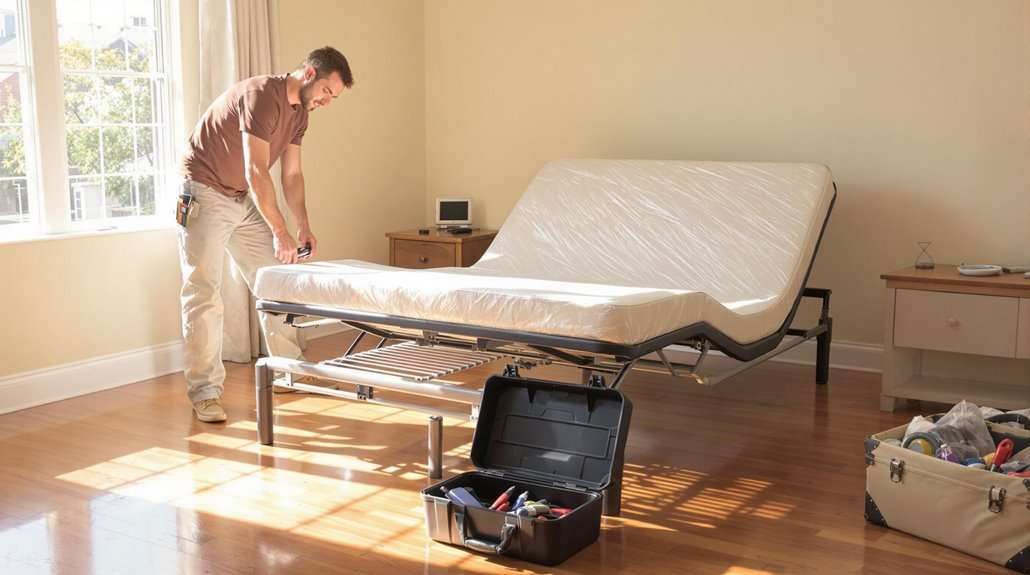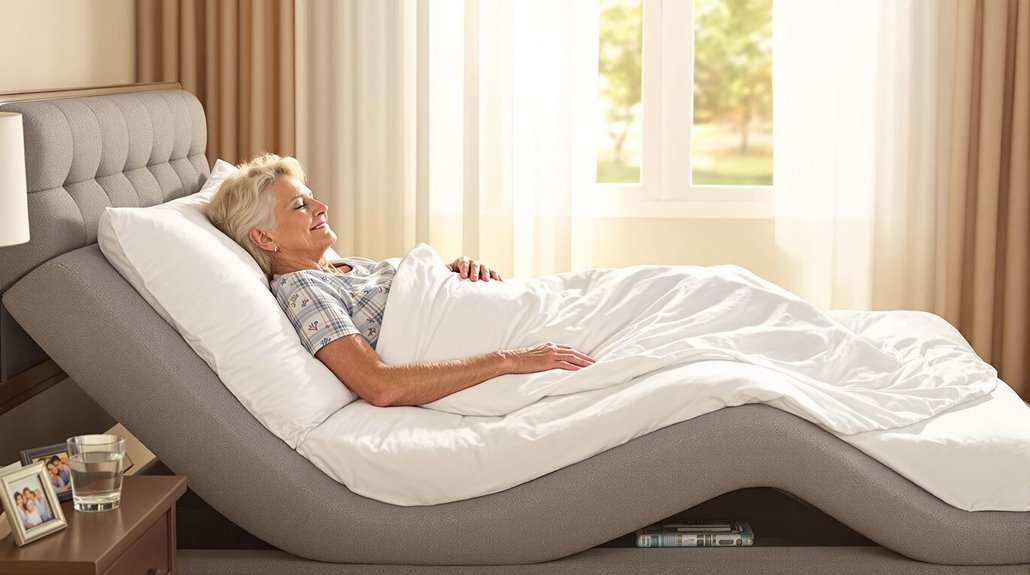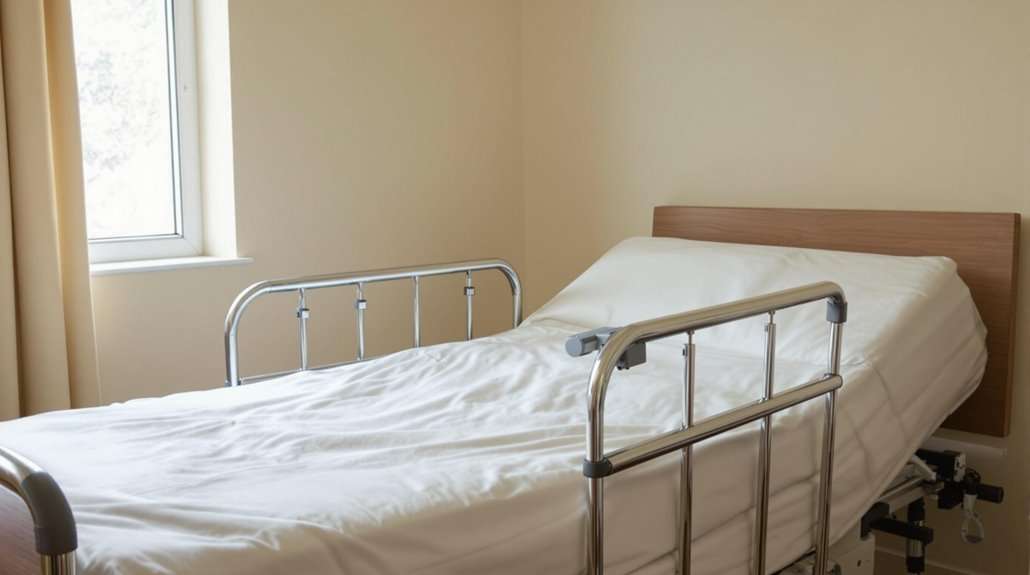



To create a safe bedroom for elderly individuals, it's essential to address key areas, including lighting, floor safety, and bed accessibility. Improving lighting conditions with layered illumination and motion-activated night lights can help prevent falls and enhance visibility. Securing the floor by removing tripping hazards, using non-slip flooring, and securing rugs can also minimize risks. Additionally, ensuring beds are at a suitable height and installing bed rails and grab bars can provide support and prevent falls. By taking these steps, you can create a safer and more supportive environment, and exploring further modifications can lead to even greater peace of mind.
📋✅
- Ensure proper lighting using layered illumination, motion-activated night lights, and bulbs with a color temperature closer to natural daylight.
- Secure the floor by removing tripping hazards, using non-slip flooring and mats, and securing rugs with heavy-duty carpet tape.
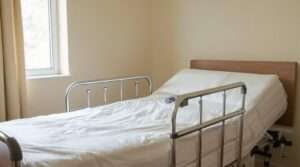
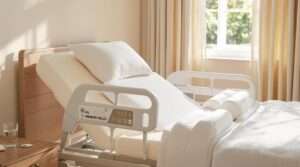
- Install bed rails, grab bars, and non-slip handles to prevent falls and provide support when getting in and out of bed.
- Organize storage using accessible shelves, pull-out bins, and closet organizers to reduce clutter and tripping hazards.
- Incorporate assistive devices such as bed alarms, wearable alerts, and automatic door openers to promote a safe environment.
Improve Lighting Conditions
To create a safe and supportive environment for elderly individuals, it is essential to address the vital aspect of lighting in their bedrooms. Adequate lighting plays a significant role in preventing falls, improving visibility, and enhancing overall comfort. A well-designed lighting plan should incorporate layered illumination, which involves using a combination of light sources to reduce shadows and provide better visibility.
For senior visibility, it is recommended to use bulbs with a color temperature closer to natural daylight (3000K) and to employ layered lighting. This can be achieved by installing LED or CFL bulbs, which not only provide better illumination but also have a longer lifespan and emit less heat. Regular inspections of lighting fixtures and bulbs are also vital to prevent safety hazards and guarantee proper function. To further enhance safety, consider installing motion-activated night lights to illuminate the path to the bathroom or other frequently visited areas during the night. Additionally, using long-lasting bulbs can minimize the need for frequent replacements and reduce the risk of accidents. By prioritizing layered illumination and senior visibility, caregivers can create a safe and supportive environment that promotes independence, comfort, and overall well-being for elderly individuals.
Reduce Tripping Hazards
Reducing tripping hazards is a vital step in making a bedroom safe for elderly people. To create a secure environment, it is essential to secure the floor by removing or stabilizing any objects that may cause tripping, and organize the space to minimize clutter and obstacles. By taking these measures, caregivers can substantially reduce the risk of falls and injuries in the bedroom. Power strips can effectively help manage cords and reduce electrical hazards. Using heavy-duty carpet tape can help secure rugs in place and prevent falls.
Secure the Floor
For many elderly individuals, a simple misstep on a slippery floor or a loose rug can lead to serious injury and potentially devastating consequences. Securing the floor is a vital step in reducing tripping hazards and creating a safe environment. Ensuring non-slip flooring is essential to preventing accidents. This can be achieved by installing non-slip mats in areas prone to wet conditions, such as bathrooms. Using double-sided tape to secure bath mats and area rugs can also help improve floor traction.
Applying non-slip coatings on hard flooring, such as tile and wood, can dramatically increase slip resistance. Additionally, securing all edges of area rugs with tape can prevent lifting and reduce tripping hazards. Replacing high-pile carpets with low-pile ones can also help minimize risks. Adults older than 65 years suffer the greatest number of fatal falls, so prioritizing floor safety is especially important for this age group fatal falls. By implementing these simple yet effective measures, caregivers can create a safer and more comfortable living space for elderly individuals. By prioritizing floor safety, caregivers can substantially reduce the risk of falls and related injuries, providing peace of mind for both the elderly individual and their loved ones. Dim lighting in the bedroom can also contribute to falls, so it is essential to ensure adequate lighting, such as using bedside lamps.
Organize the Space
While creating a safe environment for elderly individuals requires attention to various aspects, organizing the space is a crucial step in minimizing tripping hazards and promoting overall well-being. A well-planned room with personalized layouts can substantially reduce the risk of falls and injuries. To achieve this, it's essential to remove excess furniture and clutter, keeping only the most necessary pieces. Consider using multi-functional furniture to minimize clutter and create a more spacious environment.
Customized layouts can also enhance accessibility. Place commonly used items within easy reach on nightstands, and verify they are stable and without sharp edges. Use baskets or trays to keep items organized, and install wall-mounted shelves to keep floors clear. Additionally, organize closets and storage by using pull-out bins and shelves, and install motion-sensor lights for better visibility. By creating a tailored and clutter-free space, caregivers can help elderly individuals navigate their bedroom safely and independently, promoting their overall quality of life. The website synergyhomecare.com, which may offer additional resources on elderly care, is currently inaccessible due to online security measures. Proper bed height is also essential, and the bed should be adjusted to a height that allows seniors to sit with their feet flat on the floor and knees level with their hip height.
Enhance Bed Safety
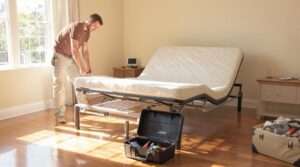
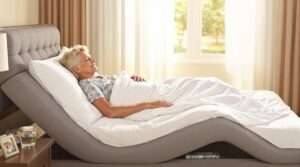
How can we create a haven of safety and security in the most intimate space of our homes – the bedroom? The answer lies in carefully crafting the environment to cater to the unique needs of the elderly. Enhancing bed safety is an essential aspect of creating a secure space, incorporating Bed Alarm Systems, Bedroom Monitoring, and bed rail safety equipment.
By ensuring beds are at the recommended height of 20 to 23 inches and sturdy nightstands are readily available for support, you reduce the risk of falls and injury. Installing secure, non-slip handles with motion lights on bed rails also helps prevent falls, allowing for easier shifts from the bed to other furniture in the room. The use of a motion sensor light can detect movement within 110 degrees and 15 feet distance, providing an added layer of safety.
Taking into account the user's visual limitations, improve illumination around the bed using well-placed lamps or bright nightlights. When designed and implemented thoughtfully, such safety measures in elderly care foster a bedroom atmosphere conducive to relaxation and support daily routines. Ultimately, securing the bed environment serves to safeguard the most basic daily activities of a care-dependent elderly person in this delicate space. Effective interventions make the difference. Bedside assistance can come naturally by integrating safety innovations strategically, providing peace of mind and care.
Optimize Storage and Accessibility
A cluttered and disorganized bedroom can pose vital risks to elderly individuals, compromising their safety and independence. Optimizing storage and accessibility is pivotal to creating a safe and functional space. Installing accessible shelves and utilizing convenient storage options can substantially reduce the risk of tripping, falling, and straining.
To optimize closet space, consider using adjustable shelves and double rods to keep frequently used items within easy reach. Closet organizers like shoe racks and storage bins can also help to declutter the space and improve organization. Store heavy items in lower drawers or shelves and use pull-down shelves or lazy susans for hard-to-reach items. Additionally, install grab bars near closets and storage areas for added stability. Consider using automatic door openers for easier closet access. By implementing these simple yet effective strategies, caregivers can create a safe and accessible bedroom that promotes independence and reduces the risk of accidents. This helps elderly individuals maintain their dignity and enjoy a better quality of life. The website's security service, which includes Cloudflare security features, can also provide an added layer of protection for seniors who may be vulnerable to online threats. Proper lighting should also be considered, as it is crucial to prevent falls and promote visibility within the bedroom, particularly in areas with non-slip flooring.
Minimize Clutter and Obstacles
Elderly individuals face significant safety risks in cluttered bedrooms, where tripping hazards, slipping, and falling can lead to severe consequences. Minimizing clutter and obstacles is essential to create a safe and comfortable living space. Effective cord management and closet organization play a vital role in reducing tripping hazards. Ensuring floor space is secure is also crucial to preventing falls.
| Clutter Reduction Strategies | Benefits | Implementation Tips |
|---|---|---|
| Secure electrical cords | Prevents tripping | Use power strips and secure cords along baseboards |
| Organize clothing and laundry | Reduces clutter | Utilize closet organizers and laundry baskets |
| Remove loose rugs and mats | Prevents slipping | Replace with non-slip pads or secure with carpet tape |
| Keep nightstands clear | Prevents falls | Regularly tidy up and remove unnecessary items
Implement Additional Safety Measures
Implementing additional safety measures in the bedroom is essential for minimizing the risk of falls, injuries, and other accidents among seniors. Some essential safety reminders include verifying the bed is at a suitable height, ideally between 20-23 inches from the floor to the top of the mattress. Installing bed rails can prevent falls from the bed, while grab bars near the bed can provide additional support when getting in and out of bed.
Caregiver tips include using bed risers if the bed is too low, using non-slip backing on rugs, and securing electrical cords behind furniture to prevent tripping hazards. Utilizing motion-sensor lights and fall mats can further reduce the risk of accidents. Confirming that phones are always within easy reach and saving emergency numbers is also pivotal. By incorporating step stools to avoid overreaching and adding step stools to key areas, caregivers can reduce the risk of falls and injuries. By following these additional safety measures and incorporating assistive devices such as bed alarms and wearable alerts, caregivers can better guarantee a safe and comfortable environment for elderly individuals, minimizing the risk of injuries and promoting overall well-being.
Frequently Asked Questions
How Often Should I Reassess the Bedroom for Potential Safety Hazards?
Frequent evaluations, ideally every 3-6 months, and seasonal assessments are vital to identify potential safety hazards in the bedroom, ensuring a safe and supportive environment that adapts to the changing needs and abilities of elderly individuals.
Can I Use High-Tech Devices to Monitor and Improve Bedroom Safety?
As a guardian of vigilance, harness high-tech devices to fortify bedroom safety – integrating voice assistants for seamless communication, and wearable fall detectors to alert caregivers, all while weaving a safety net of protection and care.
Are There Specific Bedroom Safety Concerns for Seniors With Mobility Issues?
For seniors with mobility issues, fall prevention and slip resistance are vital concerns. Installing handrails, non-slip flooring, and utilizing transfer devices can substantially reduce the risk of falls and injuries, promoting a safer bedroom environment.
Can I Get Financial Assistance to Implement Bedroom Safety Measures?
Government grants and financial assistance programs are available to support home modifications, including bedroom safety measures, for elderly individuals. Medicaid, Veterans Administration benefits, state and local programs, and non-profit organizations offer various forms of aid.
What Qualifications Should a Caregiver Have for Assisting Seniors With Bedroom Safety?
A caregiver assisting seniors with bedroom safety should be certified professionals, such as CNAs or CGSs, with specialized training and continuing education, and ideally, hired through personal referrals to guarantee trustworthiness and empathy.
A well-designed bedroom is a sanctuary, a safe harbor that shields its occupant from harm. By improving lighting conditions, reducing tripping hazards, enhancing bed safety, optimizing storage and accessibility, minimizing clutter and obstacles, and implementing additional safety measures, the risk of accidents and injuries can be substantially reduced. As a result, elderly individuals can maintain independence, mobility, and quality of life, traversing their bedroom with confidence and security.