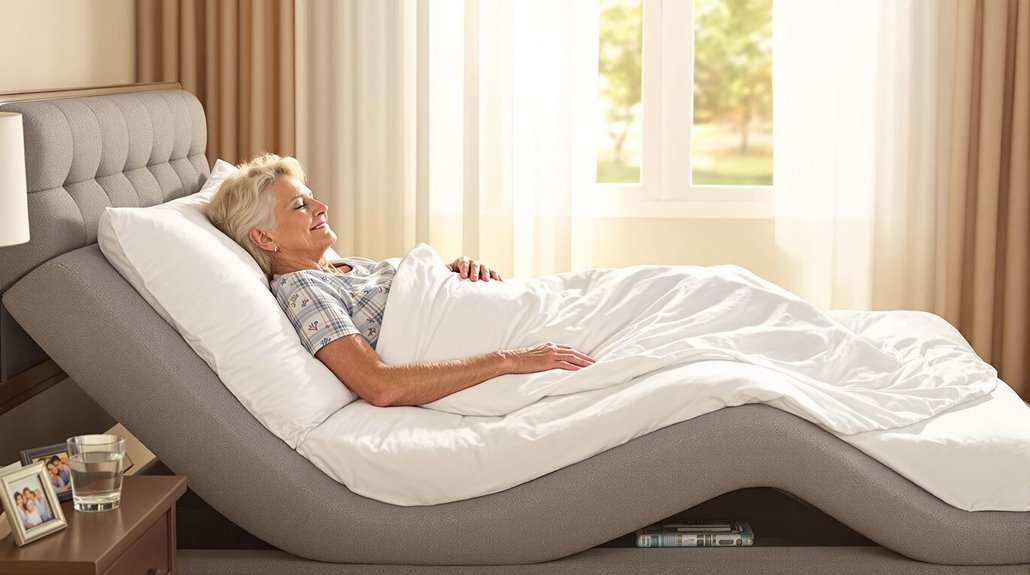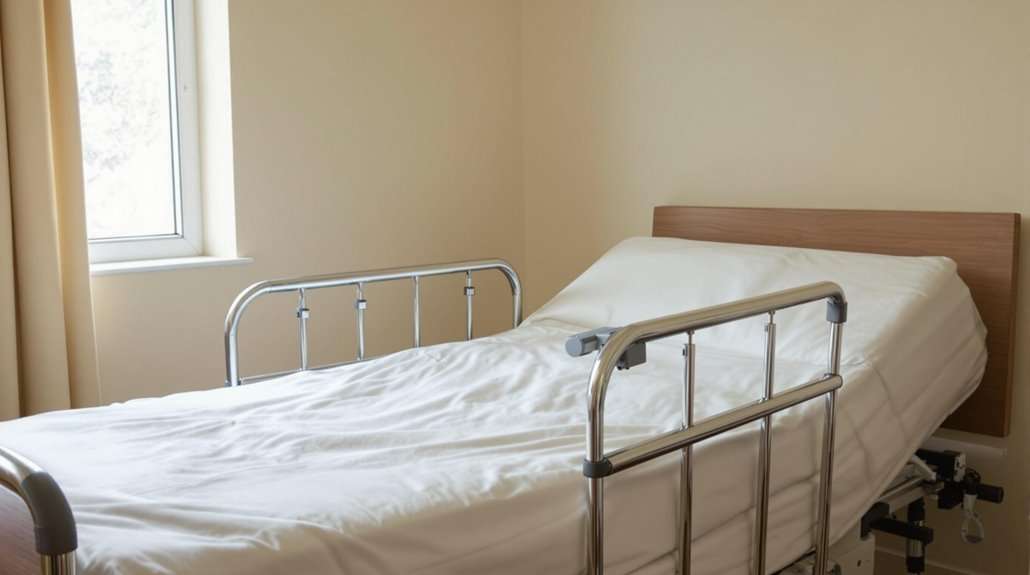



A senior bed can considerably ease back pain through its adjustable features that promote proper spinal alignment. Elevating the upper body and knees supports the spine's natural 'S' curve, minimizing tension on lumbar discs, especially beneficial for those with sciatica or chronic lower back conditions. Additionally, features like leg elevation improve circulation and redistribute body weight, reducing hip and shoulder discomfort. Choosing an appropriate mattress, preferably medium-firm to firm, guarantees stability and comfort, further aiding in pain relief. Integrating user-friendly controls can foster independence and enhance well-being. Exploring these elements provides an all-encompassing understanding of their benefits.
📋✅
- Adjustable positions in senior beds promote spinal health and alleviate back pain by enhancing spinal alignment.
- Elevating legs redistributes body weight, reducing discomfort in hips and shoulders while improving circulation and relieving back pain.
- User-friendly controls allow seniors to adjust bed positions independently, enhancing comfort and support for back pain relief.
- Elevating upper body and knees supports the spine's natural curve, reducing discomfort and promoting better sleep quality.
- Strong edge support and adjustable height assist in safe bed entry and exit, crucial for seniors with back pain and mobility issues.
Adjustable Features for Pain Relief

Adjustable beds, with their sophisticated features, offer significant advantages for individuals seeking relief from back pain. The ability to configure custom positions is essential in alleviating discomfort and promoting spinal health. Elevation options, such as raising the upper body or legs, are particularly beneficial. Elevating the upper body diminishes strain on the lumbar region, while leg elevation enhances spinal alignment, effectively redistributing body weight and reducing pressure points. These adjustments are instrumental in mitigating discomfort often localized in the hips and shoulders, enhancing circulation, and decreasing stiffness. Adjustable beds also help manage conditions like sciatica and chronic lower back pain, which further underscores their importance in addressing back-related issues.
Furthermore, adjustable beds facilitate targeted therapy by accommodating various sleeping positions, especially side and back sleeping. This adaptability is vital for achieving ideal spinal alignment through zero-gravity positions, which neutralize the spine's curvature and minimize stress on the lower back. Such features are indispensable for individuals recovering from surgeries or managing chronic pain conditions, as they promote healing by alleviating muscle tension and encouraging physiological recovery processes. By integrating these targeted therapies, adjustable beds address the nuanced needs of patients, offering a tailored approach that aligns with the anatomical demands of spinal health, ultimately fostering a sense of well-being and comfort for those afflicted by back pain.
Benefits for Back Conditions
The integration of adjustable beds into the management of back conditions offers a scientifically-backed approach to reducing pain and enhancing comfort. For individuals managing osteoarthritis, these beds play an essential role by evenly distributing weight, thereby minimizing joint pressure and alleviating chronic pain. The ability to elevate legs helps mitigate fluid buildup in the lower extremities, a common issue in osteoarthritis management. Memory foam or latex mattresses are particularly beneficial, providing excellent pressure relief and enhancing comfort. Moreover, adjustable beds can significantly aid in managing edema by allowing users to elevate their legs above heart level, which reduces fluid buildup and improves circulation.
In cases of spinal stenosis, adjustable beds contribute considerably by supporting a neutral spine alignment, which reduces pressure on the lumbar region. Elevating the legs and upper body can alleviate discomfort and support spinal health. This precise adjustability is fundamental for targeting specific pain areas without resorting to shifting pillows.
For individuals experiencing sciatic pain, the elevation of the knees reduces tension on lumbar discs and sciatic nerves, contributing to pain relief. Additionally, these beds promote consistent support, important for individuals with chronic pain. When addressing general back pain, adjustable beds facilitate ideal spine alignment and pressure distribution, reducing discomfort effectively. For those engaged in osteoporosis management, such beds offer enhanced support, reducing fracture risks.
Essential Features for Seniors

When selecting adjustable beds for seniors, certain essential features stand out due to their significant impact on back pain relief and overall comfort. Elevating leg rest and zero-gravity positioning are vital in enhancing spinal alignment and reducing lumbar region strain, promoting ideal sleep quality. The ability to evenly distribute body weight through these positions minimizes pressure on critical anatomical areas such as the lower back and hips, thereby alleviating discomfort. Consulting healthcare professionals can provide insights into specific pain causes and guide the selection of features that best address individual needs.
Customizable support and pressure point relief are integral to addressing the unique needs of seniors experiencing back pain. By allowing adjustments tailored to specific areas of discomfort, these features facilitate bed mobility while enhancing overall comfort. Furthermore, improved circulation through enhanced blood flow reduces inflammation, further contributing to pain reduction and overall health.
Additional features, such as independent head and foot elevation, allow seniors to find their perfect sleeping posture, reducing tension and promoting restful sleep. Incorporating massage functions and heat therapy provides additional muscle relaxation, easing tension and improving sleep quality. Ensuring ease of adjustability with user-friendly controls is essential for fostering independence and confidence in bed mobility, ultimately enriching the lives of seniors by enabling better management of back pain.
Selecting the Best Mattress
Selecting the best mattress for seniors with back pain requires careful consideration of several key factors to guarantee optimal spinal alignment and comfort. An ideal mattress should offer targeted support for both upper and lower back pain, utilizing zoning support to adapt to different regions of the body. This customization guarantees that the spinal column maintains its natural curvature, reducing stress on vertebral structures. Mattress materials such as memory foam, latex, and hybrid compositions are particularly effective due to their contouring properties, which alleviate pressure on sensitive joints and enhance comfort.
A medium-firm to firm mattress is generally recommended to facilitate proper spinal alignment, providing a stable yet comfortable surface. Regular physical activity is beneficial for back health, and this principle can extend to choosing a mattress that encourages gentle movement during sleep, further promoting spinal health. Hybrid mattresses, combining foam and coils, offer an advantageous balance; for instance, the Saatva Rx is lauded for its superior targeted pressure relief. Additionally, the Bear Elite Hybrid's robust edge support aids seniors in exiting the bed safely, while the Luxury Firm WinkBed offers moderate bounce, minimizing musculoskeletal strain.
Incorporating durable materials such as metal coils and polyfoam layers further enhances support and longevity. Researching Medicare coverage for high-quality mattresses can also offer financial relief, promoting accessibility for seniors.
Health and Safety Considerations

Considering the anatomical and physiological needs of seniors, health and safety considerations are paramount in mitigating back pain and enhancing mobility. Adjustable beds serve as a vital element in addressing these concerns, offering benefits such as fall prevention and mobility support. By allowing the bed height to be adjusted, seniors can position their feet securely on the ground, facilitating a safer shift from sitting to standing, thereby reducing the risk of falls. In addition, strong edge support is critical, enabling seniors to enter and exit the bed without straining their back, which is essential for those with compromised mobility. According to expert recommendations, medium-firm support can significantly alleviate lower back pain, making it a crucial feature in senior bed designs. Elevating the upper body and knees promotes the spine's natural 'S' curve, effectively distributing weight and alleviating pressure on the lumbar discs. This anatomical alignment not only aids in reducing back pain but also enhances mobility, enabling seniors to engage in daily activities with reduced discomfort.
- Adjustable height: Facilitates secure foot placement for safer shifts.
- Edge support: Assists in maintaining stability while entering and exiting the bed.
- Enhanced spinal alignment: Supports the natural spinal curve, reducing lumbar pressure.
These features combined create a supportive environment, addressing both back pain and overall mobility, thereby improving the well-being of seniors.
Frequently Asked Questions
Does Insurance Cover the Cost of an Adjustable Senior Bed?
Insurance policies may cover adjustable senior beds if they meet specific coverage limits and are deemed medically necessary by a physician. Coverage often involves criteria such as anatomical support benefits and patient-centered care requirements, subject to eligibility and documentation.
How Do Adjustable Beds Compare in Cost to Traditional Beds?
Adjustable beds, equipped with features like elevation settings and massage functions, generally have higher costs compared to traditional beds. However, they offer significant patient-centered benefits that could justify this investment, especially for seniors experiencing chronic musculoskeletal discomfort.
Are There Any Eco-Friendly Adjustable Bed Options Available?
Eco-friendly adjustable beds, crafted from sustainable materials such as natural latex and recycled steel, offer energy efficiency through advanced motor technologies. These features align with patient-centered care by enhancing environmental health and support sustainability-focused healthcare initiatives.
Can Adjustable Beds Help With Sleep Apnea Management?
Could adjustable beds revolutionize sleep apnea management through strategic sleep positions and elevation benefits? By elevating the upper body, these beds enhance airway patency, reduce snoring, and improve spinal alignment, offering a patient-centered approach to sleep health.
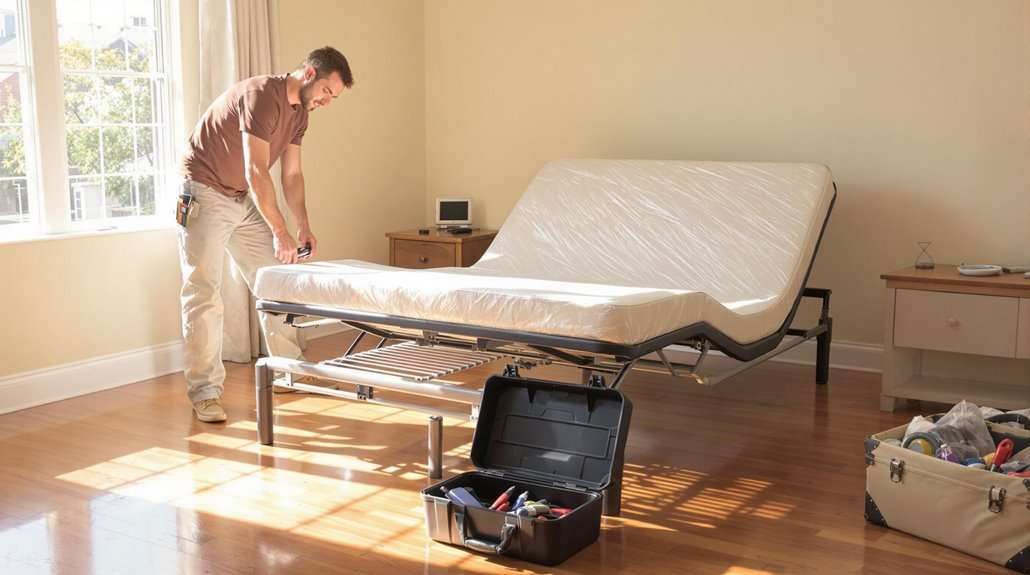
What Are the Maintenance Requirements for Adjustable Beds?
Maintenance of adjustable beds involves regular inspection, lubrication, and component checks. Ensuring secure electrical connections and adherence to weight limits are essential. These maintenance tips enhance adjustable bed features, promoting patient comfort and anatomical support, ultimately benefiting users' well-being.