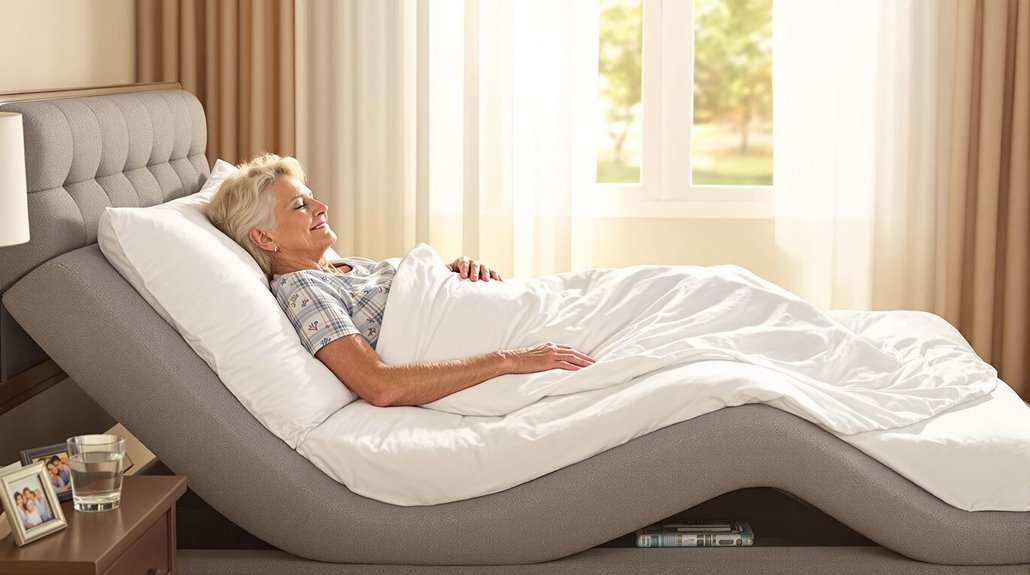



Beds are essential for seniors’ comfort and health. Adjustable beds and traditional beds provide different features for older adults. Adjustable beds allow users to change positions easily, while traditional beds offer consistent support.
Research indicates that 62% of users over 54 selected adjustable beds due to joint pain and mobility issues. These beds, such as the Nectar Adjustable Bed Frame, are priced from $855 for a queen size.
They can help reduce pain and improve sleep quality. Traditional beds have a lower initial cost and require less maintenance. They are suitable for seniors with simpler health needs.
The decision between these beds depends on individual health, budget, and preferences. Health professionals like Nicole Hernandez, PT, DPT, and Brittany Ferri, PhD, OTR/L, have examined the advantages of adjustable beds.
This information compares both options to assist caregivers in making well-informed decisions. Selecting the appropriate bed can significantly impact a senior’s quality of life.
📋✅
- Adjustable beds offer personalized comfort and health benefits for seniors, with 62% of users over 54 buying them for joint pain and mobility issues.
- Traditional beds provide simplicity, stability, and lower costs, typically ranging from $500 to $1,000, while adjustable beds start at $999 and can reach $2,499 or more.
- Adjustable beds can help with pain relief, fall prevention, and managing conditions like acid reflux, but they require more maintenance and have higher initial costs.
- Dr. Emily Chen, a geriatric specialist, recommends adjustable beds for seniors with specific health needs but notes that traditional beds remain a solid choice for many.
- When choosing a mattress for seniors, prioritize firm support, pressure relief, and compatibility with the bed frame, and consider extended trial periods and warranties.
Key Features of Adjustable Beds for Seniors

Adjustable beds provide seniors with benefits beyond a standard sleeping surface. They empower older adults to manage their comfort and well-being through advanced features.
Ease of Movement
Adjustable beds provide enhanced mobility for seniors. They offer the ability to elevate or lower various sections of the bed. This functionality assists seniors in sitting upright, reclining, or entering and exiting the bed.
Many seniors experience joint discomfort or mobility challenges. Research shows that 62% of adjustable bed users over 54 purchased them for these specific reasons. The beds enable seniors to alter their positions without putting undue stress on their bodies.
These beds provide benefits beyond comfort. They can enhance sleep quality and alleviate discomfort. Seniors can adjust the bed to suit their individual needs. This range of motion is particularly beneficial for those with mobility limitations.
It promotes greater independence and simplifies daily activities.
Personalized Support
Building on the comfort aspect, adjustable beds provide individualized support. These beds allow seniors to set their ideal sleep position. Users can elevate the head or foot of the bed.
This assists with various health concerns.
Seniors may experience relief from back pain, acid reflux, and breathing difficulties. The bed’s settings adapt to each person’s requirements. Memory foam mattresses provide additional comfort.
They conform to the body’s contours for improved pressure relief. This combination of adjustable base and foam creates a personalized sleep environment for seniors.
Health Benefits
Adjustable beds provide significant health benefits for seniors. They aid in pain relief and improve sleep quality. Seniors can modify the bed’s position to find the most comfortable arrangement.
This reduces discomfort from lying flat throughout the night. Improved sleep leads to reduced stress and increased energy during daytime hours.
These beds also decrease fall risks. Seniors can elevate the head of the bed to sit up with ease. This enhances safety when getting in and out. For those experiencing breathing difficulties or snoring, raising the upper body can improve airflow.
The Nectar Adjustable Bed Frame is a notable option. It offers numerous features at an affordable price point.
Key Features of Traditional Beds for Seniors
Conventional beds provide older adults with a straightforward and secure sleeping arrangement. They typically cost less and require less upkeep compared to more elaborate alternatives.
Simplicity and Stability
Traditional beds provide a straightforward, reliable choice for seniors. They lack complex mechanisms or intricate controls, making them user-friendly and less prone to malfunction.
Many older adults appreciate this uncomplicated approach to nighttime comfort. The stationary design offers a consistent foundation, which can be beneficial for those with balance concerns.
These beds represent a familiar option that many seniors have known throughout their lives. They’re available in standard dimensions and fit well with most bedroom layouts. Caregivers often find traditional beds more manageable when making and changing bedding.
They typically have a longer lifespan without requiring fixes or substitutions. This longevity can be a significant advantage for both seniors and their caregivers.
Lower Cost
Traditional beds are generally less expensive than adjustable models. Most consumers can purchase a quality traditional bed for $500 to $1,000. This price range is often suitable for many budgets, particularly for individuals with fixed incomes.
Adjustable beds typically start at $999 and can reach $2,499 or more. The straightforward design of standard beds results in fewer components that could potentially malfunction. This typically leads to reduced repair expenses over time.
For older adults managing their expenses, a standard bed can be a prudent choice.
Standard beds also require less maintenance. They lack motors or moving components that need upkeep. This reduces expenses on service visits and replacement components. Many older adults find that a high-quality traditional mattress adequately meets their requirements.
With appropriate firmness and support, it can provide restful sleep without the additional cost of special features.
Easier Maintenance
Moving from cost to upkeep, let’s discuss maintenance. Regular beds require less care than more complex models. There’s no need to be concerned about motors or wires. Occasional mattress flipping is usually sufficient.
This simplifies tasks for caregivers who often have numerous responsibilities.
Cleaning is straightforward with standard beds. Changing sheets and wiping down surfaces is uncomplicated. There’s no need to learn new technology or request assistance. This simple care routine reduces time and stress for both seniors and their caregivers.
Comparing Comfort and Support
Adjustable beds provide personalized comfort options, while traditional beds offer consistent support. Both types have advantages for older adults. Curious about which might suit you better? Continue reading to find out!
Adjustable Beds: Customizable Comfort
Adjustable beds provide seniors with exceptional comfort. These beds allow for easy position changes. Users can elevate the head or foot sections to find their ideal position. This feature aids in addressing various health concerns, such as back discomfort or respiratory issues.
Some models also include additional features like massage functions. These elements can enhance the sleep experience for older adults.
Healthcare professionals, including physical therapists, support the advantages of adjustable beds. They indicate that these beds can contribute to pain alleviation and improved sleep quality.
The remote control enables effortless bed adjustments. This is particularly beneficial for seniors who may experience mobility limitations. An adjustable bed offers comfort at the touch of a button.
Traditional Beds: Consistent Support
Traditional beds provide consistent support for seniors. They maintain their shape and position, offering a predictable sleeping surface. This can be beneficial for older individuals who prefer simplicity and don’t require adjustable features.
The mattress remains stationary, providing the same level of comfort each night. This consistent support may contribute to improved sleep quality for some seniors.
For individuals with straightforward sleep requirements, traditional beds are suitable. They are user-friendly and require minimal maintenance. The mattress firmness remains constant, which some seniors may find preferable.
It’s a suitable option for those without complex health concerns. These beds are often more affordable than adjustable models, making them a practical choice for seniors with budget considerations.
Health Implications
Health concerns significantly influence mattress selection. Adjustable models provide relief from discomfort and reduce the chance of falling. Standard mattresses offer fundamental support. Continue reading to learn how different bed styles impact well-being.
Adjustable Beds: Pain Relief and Reduced Fall Risk
Adjustable beds offer real help for seniors with pain and fall risks. These beds let users change positions easily, easing joint pain and back aches. A study found that 62% of older adults bought adjustable beds due to joint pain and mobility issues.
The ability to raise the head or feet can improve blood flow and reduce swelling.
Seniors can also lower their fall risk with adjustable beds. Getting in and out of bed becomes safer when the bed height can change. This feature is key for those with weak muscles or balance problems.
Proper positioning at night leads to better sleep, which helps seniors stay alert during the day. Better sleep and alertness mean fewer accidents. Traditional beds differ in terms of general comfort.
Traditional Beds: General Comfort without Special Features
While adjustable beds offer special features, traditional beds provide a simpler option. These beds give basic comfort without extra features. They suit seniors who don’t need complex health support.
Traditional beds offer a flat, stable surface for sleep. This can be enough for many older adults with minor health issues.
Traditional beds come in many styles and firmness levels. Seniors can pick one that fits their needs best. These beds are easy to use and don’t need special care. They’re a good choice for those who want a simple, reliable sleeping space.
Traditional beds also cost less than adjustable ones, which can be a plus for many seniors.
Cost Analysis
Adjustable beds typically have a higher initial price but could prove economical over time. They may alleviate certain health conditions and potentially decrease the need for additional medical equipment. For more information about pricing, continue reading.
Initial Costs and Long-Term Value
Adjustable beds have a higher initial cost compared to standard beds. A queen size Nectar frame starts at $855. Most models range from $999 to $2,499. However, they may prove cost-effective in the long run.
These beds can alleviate health issues such as sleep apnea and back pain, potentially reducing medical visits and treatment expenses. They also tend to have a longer lifespan than standard beds, decreasing the frequency of replacement.
Standard beds are less expensive initially. However, they might not fully address a senior’s requirements. This could result in increased health-related expenses later. Consider the long-term benefits when selecting a bed.
An adjustable bed might justify the additional expense if it enhances sleep quality and overall health. It’s advisable to check if insurance, Medicare, or Medicaid can assist with covering the cost of an adjustable bed.
Maintenance and Replacement Costs
Moving from initial costs to upkeep, let’s examine ongoing expenses. Traditional beds often cost less to maintain. They have fewer parts that can break down. Adjustable beds may need more care due to their moving parts and tech features.
This can mean higher repair bills over time.
Replacement costs also differ between the two types. Standard beds usually last longer without needing major repairs. But adjustable beds might need new motors or controls as they age.
These extra costs can add up for caregivers on a tight budget. It’s wise to consider these long-term expenses when selecting a bed for seniors.
Ease of Use
Beds with adjustable features provide convenient control options for older adults. Standard beds maintain a straightforward design. Each type has advantages in terms of user-friendliness. Interested in determining which option suits your requirements? Continue reading to learn about comfort choices for seniors.
Adjustable Beds: Technology and Convenience
Adjustable beds incorporate technology into the bedroom. They allow you to modify your sleeping position with a simple button press. Many come with remote controls or smartphone applications for convenient operation.
You can elevate your head or feet, or both simultaneously. This contributes to comfort and addresses health concerns. Some models even include massage functions or USB ports for charging devices.
They’re ideal for reading or watching television while in bed. Older adults find them beneficial for safely entering and exiting the bed.
These beds provide benefits beyond comfort. They can address health issues such as acid reflux or snoring. The Nectar Adjustable Bed Frame offers a 50-night trial period and a three-year warranty.
This allows you to evaluate it without risk. The frame features adjustable leg heights for optimal positioning. It’s a practical option for older adults seeking improved sleep quality and increased independence.
Traditional Beds: Simplicity and Reliability
Traditional beds provide a straightforward and dependable choice for seniors. They don’t require advanced technology or specialized knowledge to operate. This simplicity allows older individuals to manage them independently.
These beds are also durable and maintain their functionality over extended periods.
Caregivers often favor traditional beds for their straightforward operation. They don’t need to concern themselves with repairing intricate components or instructing seniors on control usage.
This uncomplicated nature can significantly benefit daily care routines. The differences in comfort and support between adjustable and traditional beds warrant examination.
Suitability for Different Health Conditions
Adjustable beds benefit seniors experiencing chronic pain and mobility challenges. Standard beds suit those with fewer specialized requirements. Continue reading to understand how to select an appropriate bed for particular health conditions.
Adjustable Beds: Ideal for Chronic Pain and Mobility Issues
Adjustable beds provide significant benefits for seniors experiencing chronic pain and mobility challenges. These beds enable users to modify positions with ease, alleviating joint discomfort and facilitating entry and exit from the bed.
Research indicates that 62% of individuals over 54 who purchased adjustable beds did so due to joint pain and mobility concerns. This substantial percentage demonstrates the effectiveness of these beds for older adults facing health issues.
For seniors with conditions such as arthritis or back pain, adjustable beds can significantly improve quality of life. They provide personalized support, helping to minimize pressure on sensitive areas.
Users have the option to elevate the head or foot of the bed to achieve optimal comfort. This feature also assists with managing conditions like acid reflux or respiratory issues. The ability to adjust the bed’s height also reduces fall risks when getting up.
Traditional Beds: Suitable for Less Complex Needs
Standard beds are suitable for older adults with basic health requirements. They provide consistent support without complex features. These beds are appropriate for seniors who don’t require specialized assistance for bed entry and exit.
They also work well for those who sleep comfortably without frequent position changes.
Many older adults appreciate the familiar comfort of a standard bed. It provides a sense of routine and normalcy. For seniors without significant health concerns, a conventional bed can offer sufficient rest.
These beds are often more affordable and simpler to install and maintain.
How to Choose the Right Mattress for a Senior’s Bed
Selecting an appropriate mattress for a senior’s bed is essential. Opt for a firm mattress that provides adequate support. It should also reduce pressure on joints and muscles. Consider a mattress with an extended trial period.
This allows seniors to evaluate it in their home environment. Ensure the mattress is compatible with the bed frame. For adjustable beds, verify that the mattress can flex without sustaining damage.
While price is a factor, prioritize quality. A suitable mattress can improve sleep and overall well-being. Inquire about warranties and return policies prior to purchase.
Seniors face a significant decision between adjustable and traditional beds. Both options provide distinct advantages for older adults. Dr. Emily Chen, a geriatric specialist with 20 years of experience, shares her insights on this subject.
Dr. Chen observes that adjustable beds excel in personalized comfort. “They allow seniors to find optimal positions for pain relief and better sleep,” she explains. These beds often include features like massage and zero-gravity settings, which can aid with circulation and breathing issues.
Regarding safety, Dr. Chen emphasizes that adjustable beds must meet rigorous standards. “Look for UL certification and FDA approval for medical-grade models,” she advises. She also underscores the importance of clear user guides and support from manufacturers.
For daily use, Dr. Chen recommends beginning with minor adjustments. “Experiment with different positions throughout the day,” she suggests. She also emphasizes the significance of proper mattress selection for either bed type.
While commending adjustable beds, Dr. Chen recognizes their limitations. “They can be costly and complex to operate,” she notes. Traditional beds, conversely, offer simplicity and familiarity, which some seniors prefer.
Dr. Chen’s assessment? “For seniors with specific health needs, adjustable beds can be life-changing. But traditional beds remain a solid choice for many.” She encourages seniors to consider their health, budget, and personal preferences when making a decision.
For more detailed guidance on selecting the ideal mattress for a senior, visit our comprehensive guide here.
Related Questions
1. How do adjustable beds help seniors with health issues?
Adjustable beds offer height adjustment and split king options. These features help with breathing problems, sleep apnea, and overactive bladder. They also aid in fall prevention and ease bed sores. For those with Parkinson’s disease or cognitive decline, these beds can improve sleep quality.
2. Are traditional beds covered by Medicare or health insurance?
Traditional beds, like innerspring mattresses, aren’t usually covered. But hospital beds may be covered by Medicare Part B if a doctor says they’re needed. Check Medicare.gov or talk to your health care professional about coverage options.
3. What payment options are available for adjustable beds?
Many stores accept credit cards like American Express and Mastercard. Some offer financing through Affirm. You might use a Health Savings Account (HSA) or Flexible Spending Account (FSA) if the bed is deemed a medical device by your doctor.
4. How do adjustable beds compare to traditional beds for seniors with mobility issues?
Adjustable beds often work better for seniors who use wheelchairs. The height adjustment helps with transfers. Traditional beds lack this feature, making it harder for those with mobility issues to get in and out of bed safely.
5. Can adjustable beds help with sleep disturbances in the elderly?
Yes, adjustable beds can help. They allow seniors to find comfortable positions, easing sleep complaints. This is especially helpful for those with neurological issues or in geriatrics care. Traditional beds don’t offer this flexibility, which may lead to more sleep medicine use.
6. What should seniors consider when choosing between adjustable and traditional beds?
Seniors should think about their health needs first. An occupational therapist (OTR/L) can offer advice. Consider cost – adjustable beds are pricier but offer more perks. Look at bed base options and mattress types. Remember, the right choice can greatly improve sleep quality and overall health.