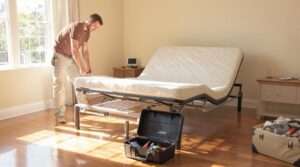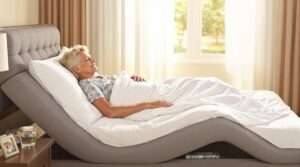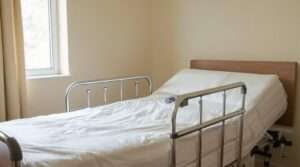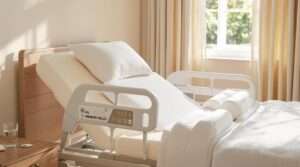



Falls in the elderly bedroom are often the result of a complex interplay of factors, including medical conditions such as diabetes, thyroid disease, and arthritis, which can impair mobility and balance. Medications for depression, sleep, and high blood pressure can also contribute to falls by causing dizziness and lightheadedness. Cognitive impairments, such as those seen in Alzheimer's and Parkinson's disease, can affect physical balance and movement, increasing fall risk. Environmental hazards, including cluttered walkways, uneven surfaces, and insufficient lighting, also pose a significant threat. By addressing these risk factors, older adults can reduce their risk of falls and maintain independence, with targeted strategies and supportive care providing a safer living environment.
📋✅
- Medical conditions like diabetes, thyroid disorders, and arthritis can cause falls due to decreased mobility, strength, and balance.
- Certain medications, such as those for depression, sleep, and high blood pressure, can cause dizziness and increase fall risk.
- Cluttered walkways, uneven surfaces, insufficient lighting, and loose bedding can lead to devastating falls in the elderly bedroom.
- Sleep disturbances, such as insomnia and sleep apnea, can contribute to increased fall risk due to disorientation and fatigue.
- Cognitive impairments, such as Alzheimer's and Parkinson's disease, can affect physical balance and movement, leading to falls.
Medical Conditions and Medications
Managing medical conditions and traversing medication regimens are critical components of fall prevention in the elderly. Diabetes dangers, such as neuropathy and vision impairment, can substantially increase the risk of falls. Similarly, thyroid threats, including muscle weakness and balance problems, must be addressed to prevent falls. Other medical conditions like heart disease, arthritis, and Parkinson's disease can also contribute to falls due to decreased mobility, strength, and balance.
Furthermore, medications can exacerbate fall risk. Medications for depression, sleep, and high blood pressure can cause dizziness, unsteadiness, and lightheadedness, increasing the likelihood of falls. Polypharmacy, or taking multiple medications, can lead to interactions and side effects that further heighten fall risk. Chronic Health Conditions often complicate medical treatments by creating mobility and stability issues. Consequently, it is essential to carefully manage medical conditions and medication regimens to mitigate fall risk. By understanding the interplay between medical conditions, medications, and fall risk, healthcare providers can develop targeted interventions to prevent falls and promote safe mobility in the elderly. Removing tripping hazards in the bedroom is crucial to preventing falls from occurring due to Impaired walking patterns. Regular monitoring and adjustments to treatment plans can help alleviate Diabetes dangers and Thyroid threats, ultimately reducing the risk of falls.
Sleep and Cognitive Impairments
Sleep disturbances and cognitive impairments are increasingly recognized as major contributors to falls in the elderly, with short sleep duration, disrupted sleep patterns, and severe sleep disruptions in individuals with dementia exacerbating the risk. Effective prevention and intervention strategies are vital in addressing these modifiable risk factors, focusing on promoting sleep hygiene and evidence-based interventions targeting sleep disturbances and cognitive impairments. By prioritizing these efforts, healthcare providers can substantially reduce the risk of falls in older adults. Insomnia is a significant concern in community-dwelling older women, particularly as insomnia and sleep problems are risk factors for falls in this population. The association between falls and sleep has been investigated in the Chinese population, where over 160 million Chinese are aged 60 and above.
Sleep Disorders and Falls
Among the elderly, a complex interplay of cognitive, physical, and environmental factors contributes to the heightened risk of falls, with sleep disorders emerging as a pivotal determinant. Sleep disturbances, including sleep fragmentation and nocturnal instability, substantially increase the likelihood of falls in this population. Older individuals experiencing insomnia, characterized by poor sleep quality and frequent nocturnal awakenings, are particularly vulnerable to falls. The association between sleep disturbances and falls is multifaceted, with factors such as altered circadian rhythms, sleep apnea, and restless legs syndrome contributing to the increased risk.
Identifying and addressing sleep disorders is vital for preventing falls in the elderly. Healthcare providers should prioritize in-depth sleep assessments and evidence-based interventions targeting sleep duration and disturbance. Non-pharmacological treatments, such as cognitive behavioral therapy, offer effective alternatives to hypnotic medications. Furthermore, studies have shown that a Geriatric Depression Scale score is a risk factor for falls in hostel participants Geriatric Depression Scale. By acknowledging the intricate relationship between sleep and falls, caregivers and healthcare professionals can work together to mitigate the risk of falls and promote a safer environment for older adults. By doing so, we can reduce the burden of falls-related morbidities and improve the overall quality of life for our elderly population.
Cognitive Impairment Factors
The heightened risk of falls in the elderly is a multifaceted issue that extends beyond physical and environmental factors to encompass cognitive impairment as a significant contributor. Cognitive impairments, such as those seen in Alzheimer's and Parkinson's disease, can affect physical balance and movement, thereby increasing fall risk.
Cognitive assessment tools and fall risk indicators can be utilized to identify individuals with a heightened risk of falls due to cognitive impairment. This information can be used to implement targeted interventions aimed at reducing fall risk, such as supervised mobility and medication review. Delirium prevention or mitigation reduces confusion due to cognitive impairments and can also play a crucial role in reducing fall risk. Individuals with dementia are at a higher risk of sustaining a fracture, with a risk three times greater than that of individuals without cognitive impairment due to falls.
| Cognitive Impairment Factors | Description | Fall Risk Intervention |
|---|---|---|
| Physical Balance and Movement | Difficulty with balance and movement due to cognitive impairment | Supervised mobility and exercise programs |
| Medication-Related Factors | Medication side effects exacerbating cognitive impairments | Medication review and reduction of polypharmacy |
| Behavioral and Psychological Factors | Increased fall risk due to Behavioral and Psychological Symptoms of Dementia (BPSD) | Supervised activities and prompt addressing of psychological issues |
| Environmental and Care Factors | Environmental factors, such as poor lighting and inadequate supervision, increasing fall risk | Improved lighting, supervision, and monitoring of patients with cognitive impairments
Environmental Hazards in Bedrooms
Numerous environmental hazards in bedrooms pose a substantial threat to the safety and well-being of elderly individuals. Cluttered walkways, uneven surfaces, and insufficient lighting can lead to devastating falls. Loose bedding and throw rugs also increase the risk of slips, trips, and falls.
To mitigate these hazards, consider the following:
- Remove clutter and tripping hazards from walkways and bedside tables
- Guarantee adequate lighting, such as nightlights or motion-sensor lights
- Securely attach carpets and remove throw rugs
- Arrange furniture to create clear pathways for easy navigation
- Use grab bars or handrails near the bed to prevent falls
Bedroom clutter and furniture risks are substantial contributors to falls in the elderly. Inaccessible bedside tables and overreaching for items on high shelves can lead to loss of balance. Regular safety audits can help identify and mitigate these hazards. The home environment, including features such as stairs and toilet conditions, influences the risk of falls among the elderly. By taking proactive steps to address environmental hazards, caregivers can notably reduce the risk of falls and create a safer, more supportive environment for elderly individuals. Excessive cords from devices can create tripping hazards, so it is essential to tuck cords behind furniture to minimize visibility and potential trips.
Mobility and Balance Issues
Elderly individuals' mobility and balance play a crucial role in maintaining their independence and preventing falls. As people age, they naturally experience a decline in muscle tone and strength, particularly in the lower body, which increases their risk of falling. Poor reflexes and reaction times also contribute to this risk. Regular exercise, including flexibility exercises, can help maintain muscle strength and improve balance.
Age-related conditions such as sarcopenia, diabetes, and heart disease can also affect balance and increase the risk of falls. Additionally, impaired walking patterns and postural hypotension can cause dizziness, making it essential to address these issues through regular checks and assessments. Healthcare professionals can help identify individuals at risk and develop personalized exercise programs to improve mobility and balance. Furthermore, getting annual eye checks can help identify vision changes, such as cataracts or glaucoma, which can increase the risk of falls. Foot problems that cause pain, such as those resulting from sarcopenia or poor footwear, can also contribute to falls. By addressing these mobility and balance issues, elderly individuals can reduce their risk of falls and maintain their independence, enabling them to live safely and confidently in their own homes.
Prevention Measures for Falls
To effectively prevent falls in the elderly, it is vital to create a safe and supportive environment in the bedroom. This can be achieved by improving bedroom lighting, such as installing motion-sensor nightlights, and incorporating safety features like bed rails and grab bars to provide stability and support. One-third of older adults in the US take medications that can impair balance, increasing the risk of medication-related falls. By taking these proactive measures, individuals can substantially reduce their risk of falls and maintain their independence and mobility. Clearing the floor of cluttered tripping hazards reduces falls risks in bedrooms.
Improving Bedroom Lighting
While the bedroom is often considered a safe haven, inadequate lighting can transform it into a hazardous environment, particularly for older adults who may have difficulty traversing in low-light conditions. To create a safe and inviting space, it's essential to prioritize effective lighting solutions.
- Combining overhead, task, and ambient lighting can create a well-lit, safe environment
- Increasing brightness levels by up to 50% can accommodate the needs of older adults
- Reducing glare through the strategic placement of light sources can minimize shadows and enhance safety
- Installing night lights can provide gentle illumination for nighttime navigation
- Using LED lighting with low-luminance glow can offer visual cues without disrupting sleep
Effective lamp placement is vital for nighttime safety, with lamps positioned within easy reach of the bed to minimize falls. Additionally, incorporating glare reduction techniques, such as using diffusers or shades, can minimize the risk of falls and create a comfortable and secure environment. Lamps with touch sensitivity can also simplify the process of turning lights on and off, reducing the risk of accidents. By implementing these lighting strategies, caregivers can substantially reduce the risk of falls and create a safe and supportive space for older adults. According to research, falls are the number one reason older adults are institutionalized, highlighting the importance of fall prevention measures in the bedroom.
Installing Safety Features
Beyond effective lighting, a safe bedroom environment for older adults requires careful consideration of physical safety features. Installing safety features is a vital step in preventing falls and injuries in the elderly. A thorough safety assessment and checklist can help identify potential hazards and guide bedroom renovations.
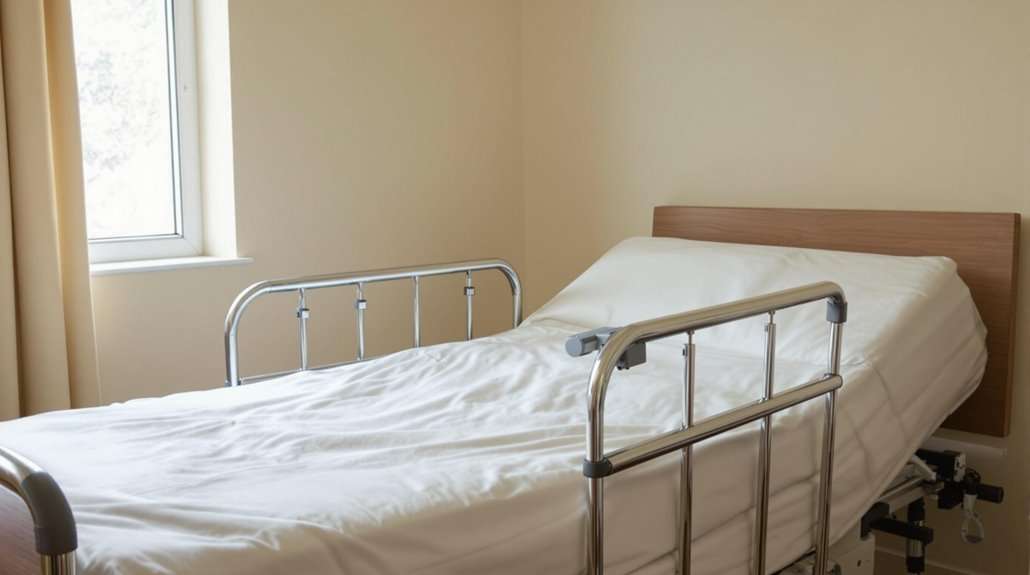
Bed and bedside safety measures are essential, including adjusting bed height, installing bed rails, and using non-slip mats. Securing rugs and mats, clearing clutter, and removing tripping hazards can also help prevent falls. Strategic bed placement and nightstand support can provide added stability and reduce fall risks. Keeping cords close to walls to avoid arranging them across walkways cords management can minimize the risk of tripping. Consider installing grab bars in the bedroom and bathroom for additional support. Regular assessments and professional guidance can help identify areas for improvement and guarantee the home remains a safe and supportive environment. A bedside commode reduces the need for nighttime trips to the bathroom, effectively minimizing the risk of falling with the use of bedside commode.
Importance of Proper Lighting
Enhancing the visual environment through proper lighting plays a crucial role in reducing the risk of falls among older adults. As people age, their visual acuity and sensitivity to contrast decrease, making it more challenging to navigate their surroundings safely. By installing lighting controls that are easy to use and accessible, caregivers can help older adults maintain their independence while reducing the risk of falls.
Some effective lighting solutions for fall prevention include:
- LEDs in doorframes or stairways to provide visual cues and reduce nighttime falls
- Wireless motion sensing lights to automatically illuminate dim areas
- Automatic night lights in key locations, such as bathrooms, bedrooms, and hallways
- Low-intensity LED light bars or strips under beds or in doorframes to prevent falls
- Amber light night lights, which are gentle on the eyes and promote better sleep.
Proper light maintenance is also essential, and regular checks can help ensure that lighting systems are functioning as intended to prevent accidents. A well-designed lighting plan can contribute to visual comfort and reduce eye strain, ultimately promoting a safer living environment for older adults.
Role of Caregiving and Support
Effective lighting solutions play a substantial role in preventing falls among older adults, but they are only one aspect of a thorough approach to fall prevention. A pivotal element in reducing falls is the role of caregiving and support. Caregivers who demonstrate empathy and understanding can profoundly impact the well-being and safety of older adults. By providing physical assistance, educating on fall prevention, and using assistive devices, caregivers can help reduce the risk of falls.
Support networks, including family members and healthcare professionals, also play a paramount role in fall prevention. Regular assessments, medication management, and encouraging exercise can help identify and mitigate fall risks. Bedside assistance, such as placing necessary items within reach, can also reduce the need for older adults to get out of bed, thereby minimizing the risk of falls. Additionally, ensuring accurate bed height, with knees at a 90-degree angle and feet flat on the floor, can also help prevent falls. By working together, caregivers and support networks can create a safer and more supportive environment for older adults, reducing the risk of falls and promoting independent living.
Adjusting the Home Environment
Creating a safe and supportive living environment is crucial for preventing falls among older adults. This can be achieved by making strategic home modifications that address common fall hazards, such as poor lighting, clutter, and slippery surfaces. Ensuring floor clearance is essential, as it allows individuals to move freely and safely throughout their home.
Some key adjustments to ponder include:
- Ensuring adequate lighting in bedrooms and hallways to improve visibility
- Removing clutter and tripping hazards from floors to prevent accidents
- Installing grab bars by beds and closets for added support
- Securing carpets with tape or removing loose edges to prevent slipping
- Using non-slip mats in bathrooms and other areas prone to moisture
Physical changes and certain medications can make falls more likely, which makes taking preventative measures all the more important. Vitamin D deficiency is a condition that increases the risk of falling, and being mindful of this can help inform fall prevention strategies.
Frequently Asked Questions
What Percentage of Elderly Falls Occur in the Bedroom?
Unfortunately, no explicit percentage of elderly falls occurring in the bedroom is available; however, considering furniture layout and nighttime activities as contributing factors, it is essential to prioritize bedroom safety assessments and interventions to mitigate fall risks.
Can Falls in the Elderly Be a Sign of Underlying Medical Conditions?
A million times over, falls in the elderly can be a glaring red flag for underlying medical conditions, often stemming from medical neglect or medication mismanagement, underscoring the need for vigilant monitoring and proactive interventions.
How Often Should Elderly Individuals Exercise to Prevent Falls?
To prevent falls, elderly individuals should incorporate a regular exercise routine into their daily habits, aiming for 30 minutes of moderate physical activity daily, with strength training and balance exercises performed at least 3-4 times a week.
Are There Any Specific Safety Devices for Elderly Individuals With Dementia?
Echoing a haven of safety, dementia-specific devices support vulnerable individuals, featuring dementia alarms and caregiver alerts that respond to falls, wandering, or safety risks, ensuring timely intervention and safeguarding well-being with innovation and compassion.
Can Elderly Individuals With a History of Falls Still Live Independently?
Elderly individuals with a history of falls can still live independently with caregiver support and home modifications, such as installing handrails and non-slip aids, to reduce fall risk and promote safe mobility and autonomy.
As the final page turns on the chapter of fall prevention, the elderly bedroom is bathed in a warm, golden light, symbolizing wisdom and insight. Medical conditions and medications, sleep and cognitive impairments, environmental hazards, mobility and balance issues, and lack of support have all been revealed as culprits. Prevention measures, proper lighting, caregiving, and home adjustments have emerged as heroes. The outcome is a beacon of hope, illuminating a safe and serene haven, where golden years can be cherished.