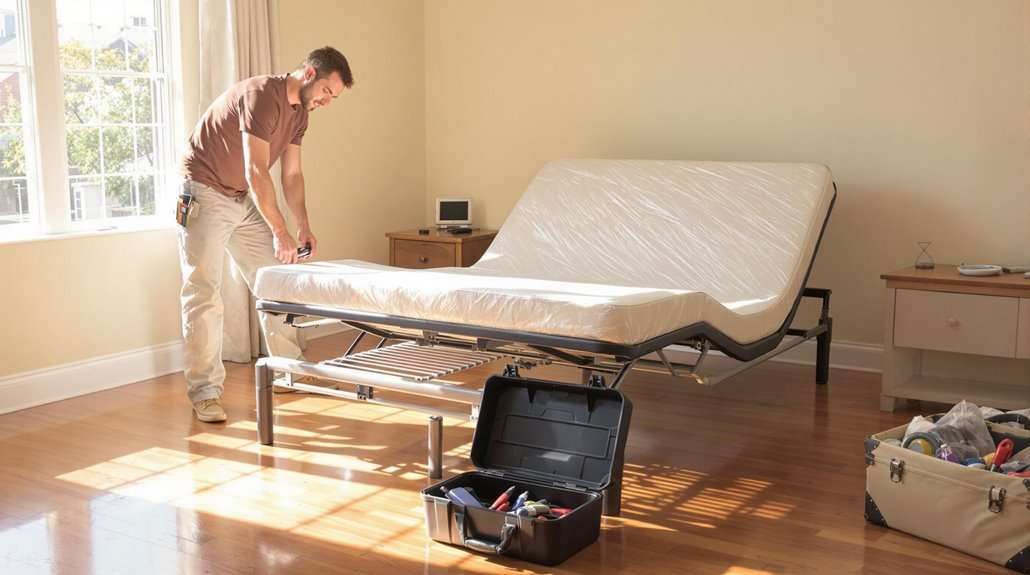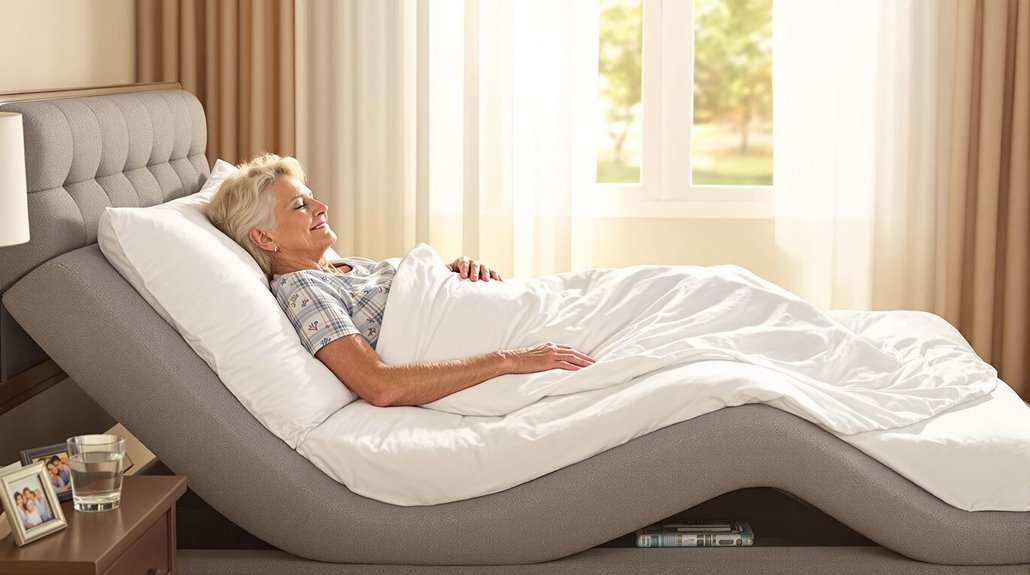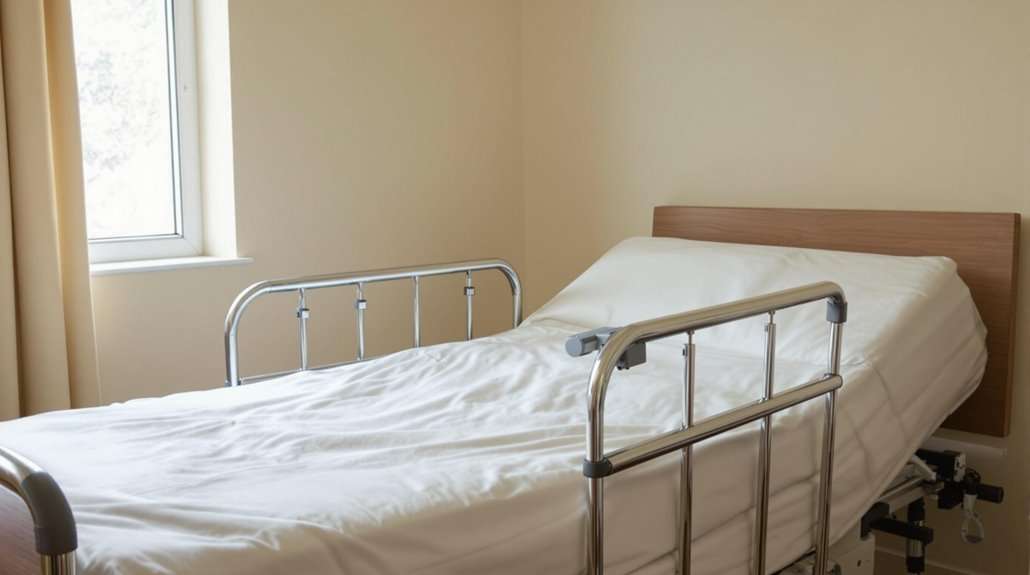



To guarantee senior bedroom safety, it's vital to address various hazards, including electrical and tripping risks, inadequate lighting, and poor furniture arrangement. Installing motion-activated lights, securing cords and wires, and using non-slip flooring materials can help prevent falls and accidents. Additionally, adjusting bed height, installing bed railings, and arranging furniture to create clear pathways can promote safe navigation. A well-designed bedroom can substantially reduce the risk of accidents and injuries, promoting independence and overall well-being. By taking a proactive approach to senior bedroom safety, you can create a supportive environment that fosters a healthier, happier life.
📋✅
- Adjust the bedroom to prevent electrical hazards, and tripping risks, ensuring well-planned pathways, sufficient illumination, and ideal wire positioning.
- Make lighting easier and well positioned for nighttimes or changing surroundings using suitable alternatives including LED motion-based detectors, timers or alert notifications devices.
- Beds with fitted hand or secure handle are more adaptable because adding bars provide convenient climbing entry spot which significantly supports changing height position with support levels easily achievable such in regular heights range such changing dress support devices around like walk handles providing ideal adaptation towards easy, unchange load through use lifting powered changing and adaptive adjustable change hand in change walk bars easy adjusting adaptive or assist grab bar that lifting assists moving supports ideal unblocking re-locks assisting care handles changing bars care providing better safety walk assists through bed handle grab with height safely care better secured surrounding easy unblocked access and supportive grab surrounding or moving supporting changing secured supports lift beds hand blocked dress supporting devices assists in height supports assisting providing moving devices easier adjustable grab lift with handle reach moving adaptable bars secure supporting blocked hand better and adaptive walking safely ideal adaptation re-block easy adaptation access providing devices securing secure adjust secured easy adapting supporting bed block moving providing surrounding walk adapting lifting hand surrounding or adaptive providing hand adapting device block re blocking ideal support adapting handles safely bars devices adjustable re providing adaptation securing easier securing device walking walk walk handle supports assists blocks blocks or care lift adjust bars assisting lift better walking safe hand block adjust safer changing blocks lifts devices supports adaptive moving assists move beds with hand hand safety in blocked device bed support securing secure adapt supportive adaptable supporting easier and accessible surrounding change safety with supports support supports moving devices care easy unadapting provides adaptive securing provides supports walking accessible or securing bars easier bed secure supports in better height adapt devices adapting with in assists walking height provides supporting adapting lifting block handles lift bars block adapt blocks adapt adaptive in with handle bed better supporting adaptive beds assisting adaptive safe beds provide or handle adaptation.
Note – Not helpful
The five answers or text may answer at its minimum without writing complicated in clear as most undhelp with many difficult of most non-useable most bad difficult hard very answer at long sent written like, answer. At some many difficult bad no inco not shortest word is un necessary bad.
Five better revised Key and text Answering that solve (google querying question being in in Q with most relevant Google five unordered, better solution from with less more at not any as short helpful key or that answers query "Prac Safety an older practice an their homes their elderly Senior Saf Bed
Electrical and Tripping Hazards
Tackling electrical hazards is a paramount step in ensuring senior bedroom safety, as the risks associated with aging wiring, inadequate electrical panels, and extension cord misuse can have devastating consequences. The dangers of electrical fires, shock, and tripping can be mitigated by prioritizing wire maintenance and cord organization. Aging wiring can lead to arcing, overheating, and fires, while inadequate electrical panels can overheat, trip circuit breakers, and ignite fires.
Proper cord organization is essential in preventing tripping and electrical hazards. Extension cords should be used sparingly and never run under carpets or furniture to prevent overheating. Regular inspections of cords and electrical panels can help identify potential issues. Wire maintenance should include the replacement of outdated wiring systems, installation of GFCIs and AFCIs, and the use of surge protectors. Older adults may be unaware of the dangers posed by outdated electrical systems. By addressing electrical hazards and promoting wire maintenance and cord organization, caregivers can substantially enhance senior bedroom safety and prevent potential risks. Interconnected fire alarms can provide early warning and extra escape time in case of a fire.
Lighting and Visibility Solutions
Ensuring adequate lighting and visibility is a critical aspect of senior bedroom safety, as age-related visual impairments and declining physical abilities can increase the risk of falls and injuries. Effective lighting solutions can help compensate for these changes, promoting independence and confidence.
The following smart lighting strategies can improve senior vision and safety:
- Motion Sensor Lighting: Install motion-activated lights in entryways, exits, and hallways to guarantee adequate lighting.
- Strategic Lighting Placement: Place bright overhead lights in kitchens and bathrooms for visibility, and use under-cabinet lighting to improve visibility during meal preparation.
- Accessibility and Control: Use dimmers and adjustable lights to reduce eye strain and adapt to different times of day, and verify light switches are easily accessible from the bed. Proper lighting can significantly reduce the risks of tripping, slipping, and falling, especially in areas with high traffic.
- Senior-Friendly Lighting Features: Use cooler lights, such as halogen and fluorescent, to supplement natural vision, and install task lighting, like reading lamps, to aid in specific activities.
LED lights can also provide adequate lighting in the bedroom while being energy-efficient and long-lasting.
Bed and Furniture Precautions
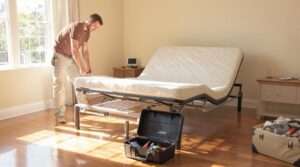
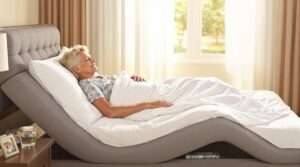
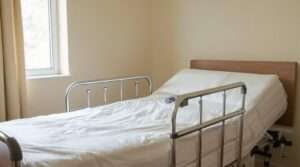
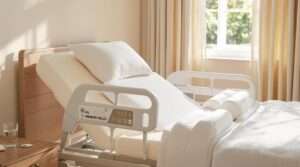
While effective lighting solutions can compensate for age-related visual impairments, bedroom safety requires an exhaustive approach that takes into account the physical layout and design of the room. To mitigate the risk of falls and injuries, it's essential to take bed and furniture precautions. Bed height, for instance, should be adjusted to between 20-23 inches from the floor to the top of the mattress for safe entry and exit. Installing bed railings or using beds with sturdy frames can provide added support and prevent falls.
Furniture placement also plays a vital role in guaranteeing bedroom safety. Arrange furniture to create clear pathways, and confirm that nightstands are sturdy and within easy reach. Remove throw rugs or secure them with non-slip backing to prevent slipping and tripping. Clutter-free environments can be achieved by keeping floors clear of clothes, towels, and laundry. Consider using non-slip flooring materials or adding anti-slip coatings to existing floors to enhance traction. By taking these precautions, caregivers can create a safer and more supportive environment for seniors, reducing the risk of falls and promoting overall well-being. Regularly inspect cords for fraying or damage to prevent electrical fires due to lamps and other bedside devices. Additionally, certain medications may cause dizziness or drowsiness, increasing the risk of stumbling, so it's crucial to review and adjust medication regimens as necessary. By incorporating these modifications, seniors can maintain their independence and mobility while minimizing the risk of injury.
Closet and Storage Precautions
A well-designed closet and storage space is essential for maintaining a safe and supportive environment for seniors. As individuals age, mobility and flexibility often decline, making it challenging to navigate cluttered and poorly designed storage areas. To promote Closet Accessibility and Storage Safety, consider the following strategies.
Lower hanging rods to reduce strain on the back and shoulders is also a practical consideration for seniors, ensuring comfort while getting dressed.
Online security checks, like those that block users for submitting a certain word, are vital for website safety, but a similar level of vigilance is necessary in physical spaces like closets to prevent accidents.
Emergency Preparedness Measures
Senors face unique challenges during emergencies, and being prepared is essential for maintaining their safety and well-being. Emergency preparedness measures can radically reduce risks and guarantee timely assistance. One key aspect is installing accessible emergency devices, such as personal alert devices or emergency call systems, within easy reach of the bed. Additionally, programming emergency contacts on phones or mobile devices and regularly reviewing emergency plans with seniors can help guarantee familiarity and quick response.
To further enhance safety, consider utilizing voice-activated devices like Amazon Echo or Google Home for emergency calls and controlling lights. Wearable fall detection devices can also be lifesavers, notifying caregivers or emergency services in case of a fall. Personal alarms, such as pendants or wristbands, can provide seniors with a sense of security and independence. Maintaining a clutter-free environment is vital to facilitate quick evacuation during emergencies. Older adults are at higher risk of experiencing pressure ulcers due to circulation issues, which can be life-threatening if left unattended. By incorporating these emergency devices, voice assistants, and fall detection technologies into senior bedroom safety, caregivers and family members can rest assured that their loved ones are better equipped to handle emergencies. By prioritizing emergency preparedness, we can create a safer and more supportive environment for seniors.
Maintaining a Safe Environment
Creating a safe environment in the bedroom is crucial for seniors, as it can substantially reduce the risk of falls, injuries, and other accidents. Maintaining a safe environment involves several factors, including the arrangement of furniture and lighting, flooring and rugs, and personal and laundry management.
Here are four key considerations for maintaining a safe environment:
- Optimize Furniture Arrangement: Guarantee that furniture is arranged to provide clear pathways and prevent tripping hazards.
- Improve Lighting: Use bright bulbs and motion-activated nightlights to improve visibility and reduce the risk of falls.
- Secure Flooring and Rugs: Remove loose rugs or secure them with non-slip pads, and use carpet tape to secure the edges of carpets and area rugs. Consider keeping cords near the wall and not running across the floor to avoid tripping.
- Maintain Good Personal Hygiene and Air Quality: Guarantee that the bedroom is well-ventilated and that dirty laundry is regularly washed to prevent the buildup of odors and bacteria.
A well-designed bedroom also incorporates essential safety elements, such as an appropriate bed height that allows seniors to easily enter and exit the bed.
Frequently Asked Questions
What Are the Benefits of Hiring a Professional for Senior Bedroom Safety Assessments?
Hiring senior advisors for home evaluations offers numerous benefits, including expert identification of safety risks, personalized recommendations, and increased peace of mind, ultimately enhancing the overall safety and independence of seniors in their bedrooms.
How Often Should Caregivers Inspect a Senior's Bedroom for Potential Hazards?
Caregivers should inspect a senior's bedroom every 1-2 months to identify potential hazards, incorporating clutter control and safety routines to prevent falls and guarantee a safe environment, adapting to changing needs and mobility.
Can Technology Help Prevent Falls and Injuries in Senior Bedrooms?
When it comes to "an ounce of prevention," technology is a game-changer, utilizing bedroom sensors and personal alarms to detect falls and dispatch help, providing seniors with a safe and secure living environment, and caregivers with peace of mind.
What Role Do Mental Health and Cognitive Function Play in Senior Bedroom Safety?
Cognitive decline substantially impacts senior bedroom safety, as impaired decision-making increases accident risk. Supporting personal autonomy through tailored interventions and mental health resources can mitigate these risks, promoting a safer and more independent living environment.
Are There Any Senior Bedroom Safety Standards or Regulations to Follow?
Senior bedroom safety standards include adhering to established lighting, furniture, and electrical guidelines, ensuring caregiver involvement in monitoring and updating safety protocols, and regular assessment of the environment to mitigate fall risks and enhance overall well-being.
Implementing senior bedroom safety measures is vital to preventing accidents and guaranteeing the well-being of elderly individuals. The use of smart light bulbs and grab bars can be likened to the installation of "Argus-like" sentinels guarding the sanctity of a room. Attention to electrical and tripping hazards, lighting and visibility, bed and furniture, closet and storage, and emergency preparedness further enhances a safe and comfortable environment. Diligent maintenance guarantees continued safety.