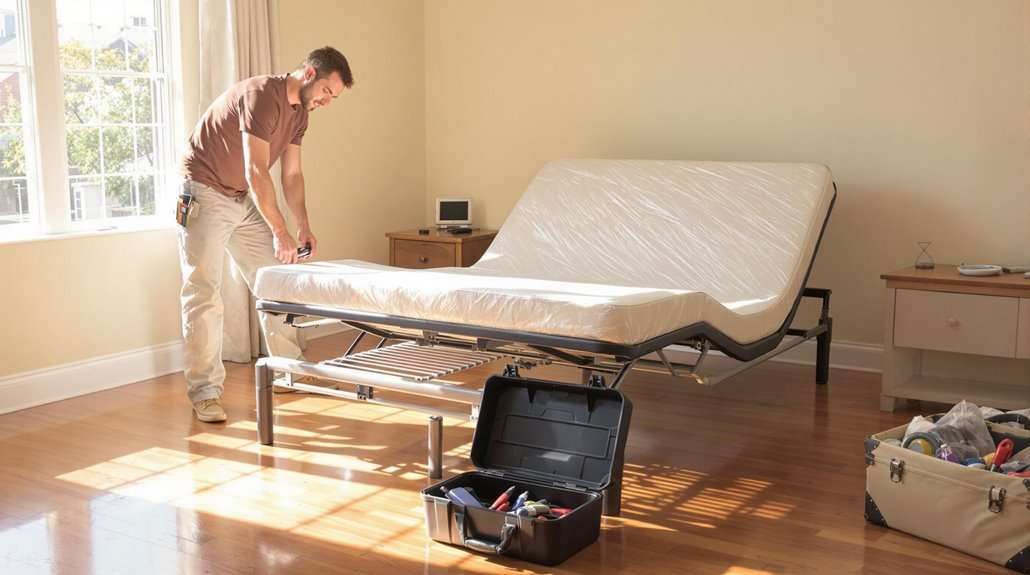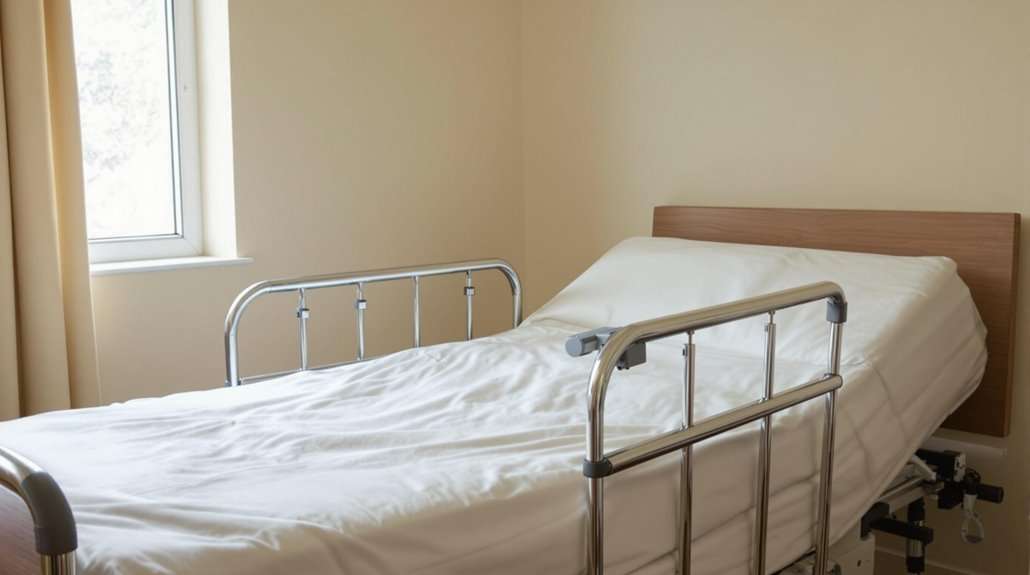



Senior beds provide comfort and support for older adults. Many people consider ways to pay for these beneficial beds. Several options make senior beds more accessible. These include lease-to-own plans, government assistance, and private loans.
Lease-to-own programs allow payment over time without a credit check. Medicare and Medicaid may cover some costs if a doctor deems the bed necessary. Veterans can also receive assistance through the VA.
Private loans from banks or specialized programs offer another method to finance senior beds. Each option has its own guidelines and advantages. Understanding these choices helps families determine the most suitable way to obtain a senior bed.
The details of these financing options are worth examining.
📋✅
- Lease-to-own programs offer quick approvals without credit checks, allowing seniors to get beds with flexible payment plans.
- Government assistance like Medicare, Medicaid, and VA benefits may cover part or all of the cost for medically necessary senior beds.
- Private financing options include Fannie Mae and Freddie Mac senior housing loans, HUD-insured loans, and SBA 504 loans with favorable terms.
- When choosing financing, compare interest rates, loan terms, and down payment requirements to find the most suitable option.
- Electric beds for seniors cost $500 to $2,000+ but offer benefits like better sleep quality, easier mobility, and adjustable positions for comfort.
Overview of Financing Options for Senior Beds

Senior beds can be expensive, but numerous funding choices are available. These include rent-to-own programs, government assistance, and personal loans.
Lease-to-Own Programs
Lease-to-own programs provide a flexible approach to acquiring senior beds without a substantial initial investment. Mattress Firm collaborates with Progressive Leasing to offer this option.
The process is swift and straightforward – you receive an immediate decision without a credit check. You have the choice between a 90-day purchase plan or a 12-month lease agreement.
A notable advantage is the ability to cancel at any time without incurring fees.
These programs assist caregivers in obtaining suitable beds for their loved ones. Your approval remains valid for 90 days, allowing ample time to select the ideal bed. Progressive Leasing does not report to credit bureaus, ensuring that credit scores remain unaffected.
This makes it a secure option for many families seeking adjustable beds or other durable medical equipment.
Medicaid Coverage
Medicaid may help pay for senior beds in some cases. Each state runs its own Medicaid program with different rules. Most states need a doctor to say the bed is needed. Medicaid often covers part of the cost for hospital-style beds that adjust.
To get help, seniors must meet income and asset limits. These vary by state too.
State waiver programs offer another way to get Medicaid help for beds. These programs give extra support to keep seniors at home instead of in nursing homes. Waivers may cover more types of beds and have different rules than regular Medicaid.
Caregivers should check with their local Medicaid office to learn about options. The following section examines Veterans Assistance for senior beds.
Veterans Assistance
Veterans can receive assistance in purchasing adjustable beds through the VA, which is included in their benefits package for those who have served. The VA evaluates each situation individually to determine if a specialized bed is necessary.
They assess the veteran’s health condition and how the bed would be beneficial. If the request is approved, the VA may cover a portion or the entire cost.
Obtaining VA assistance for a bed involves several steps. Initially, veterans need to consult with their VA physician. The doctor must confirm that the bed is medically necessary. Following this, the veteran submits a claim to the VA.
The VA then reviews the claim and determines the extent of their financial support. This evaluation process can be lengthy, so it’s advisable to initiate it early.
Lease-to-Own Programs Explained
Rent-to-own options provide a way to acquire a senior bed without paying the entire cost immediately. These arrangements allow you to make monthly installments while using the bed, and you’ll become the owner once you’ve completed all the payments.
Criteria for Approval
Lease-to-own programs for senior beds often have straightforward approval processes. Most companies assess eligibility based on income and payment capability rather than credit scores.
You’ll typically need to provide proof of income, such as pay stubs or bank statements. Some providers may request a valid ID and proof of address as well.
Bed For Seniors.com offers prompt application decisions. They approve most applicants immediately if they meet basic income requirements. Their approval remains valid for 90 days, allowing time to select the most suitable bed.
They also provide adaptable payment plans to accommodate various financial situations. This approach enables more seniors to acquire the beds they need for improved sleep and health.
Required Documentation
After meeting the approval criteria, you’ll need to gather some documents. Here’s what you’ll need to provide for a lease-to-own senior bed program.
- Personal Info: Your full name, address, and phone number are essential. These help verify your identity and contact details.
- Income Proof: Recent pay stubs or bank statements demonstrate your ability to make payments. This assures lenders of your financial capacity.
- ID: A valid driver’s license or state ID card confirms your identity. It’s a crucial element in preventing fraud.
- Social Security Number: This is used for a soft credit check. It won’t affect your credit score.
- Bank Account Info: Your account and routing numbers enable auto-pay setup. This simplifies monthly payment management.
- References: Names and phone numbers of individuals who can vouch for you. They contribute to your credibility as a borrower.
- Residence Proof: A utility bill or lease agreement confirms your living address. It helps ensure your address is accurate.
- Medical Need Letter: A note from a doctor explaining the necessity for the bed. This can assist with approval in certain situations.
Terms and Conditions
Lease terms for senior beds typically involve a 12-month agreement. This duration allows families to evaluate the bed and determine its suitability for their loved one. A notable advantage is the ability to cancel at any time without incurring fees.
This feature often provides reassurance to caregivers concerned about extended commitments.
Progressive Leasing also provides a 90-day purchase option. This allows for outright purchase of the bed if it meets your requirements. The company does not report to credit bureaus, which can help maintain your credit score.
These adaptable terms facilitate finding the most suitable bed for your senior’s needs.
Government Assistance Programs
Government assistance for senior care facilities can alleviate financial pressure. Medicare, Medicaid, and VA benefits may cover expenses. Read on for more information.
Medicare Coverage Specifics
Medicare Part B can assist with the cost of specialized beds for seniors. It covers a significant portion of the expense for hospital-grade beds. However, there’s a requirement – a doctor’s prescription is necessary.
Your physician must confirm that the bed is medically necessary. This guideline ensures that assistance is provided to those who genuinely require it.
Obtaining a specialized bed through Medicare involves certain steps. The bed must be intended for home use. It also needs to meet specific criteria established by Medicare. These beds typically include features such as adjustable heights or side rails.
They are designed to enhance safety and comfort for seniors during rest or sleep.
Medicaid Eligibility and Benefits
Medicaid assists numerous seniors in accessing necessary care. Individual states establish eligibility criteria. Many states consider income and assets in their assessment. They also evaluate the applicant’s need for assistance with daily activities.
Eligible seniors may receive support for specialized bed expenses. However, a physician’s recommendation is frequently required beforehand.
Medicaid may provide partial coverage for certain medical-grade beds. These beds can improve the quality of life for seniors with health conditions. The extent of Medicaid coverage differs across states.
Some states offer specialized programs with expanded benefits. Contacting your local Medicaid office is advisable. They can provide information about your state’s coverage for senior-specific beds.
Veterans Benefits for Adjustable Beds
Veterans can receive assistance purchasing adjustable beds through the VA. The VA provides support for veterans requiring these beds due to health conditions. Veterans must satisfy specific criteria to be eligible.
They may require a physician’s recommendation stating the necessity of the bed. The VA may cover a portion or the entire cost.
The VA also assists veterans in obtaining additional bed-related items. These can include specialized mattresses or lifts. Veterans should discuss their needs with their VA physician.
The physician can initiate the process for obtaining these benefits. Veterans can also contact the VA for more information about acquiring an adjustable bed.
Private Financing Options
Private funding sources can assist older adults in obtaining necessary beds. Financial institutions such as banks and credit unions provide loans for medical equipment, including adjustable beds. These financing options frequently offer more favorable interest rates compared to credit cards.
Fannie Mae Senior Housing Loans
Fannie Mae provides financing for senior housing developments. These loans support the construction or renovation of residences for older adults. They feature favorable interest rates and adaptable terms.
This enables caregivers to access improved housing choices for their loved ones.
Caregivers benefit from awareness of these loan options. They can make senior living more cost-effective. The loans encompass a range of housing types, from individual units to larger communities.
Fannie Mae collaborates with lenders to ensure a streamlined process. This can reduce the challenges associated with finding suitable senior living arrangements.
Freddie Mac Senior Housing Loans
Freddie Mac provides financing options for senior housing developments. These loans support the construction or renovation of residences for older adults. They feature favorable interest rates and adaptable terms.
Borrowers can secure funding for various types of senior living facilities, including nursing homes, assisted living communities, and memory care centers.
The financing options come with several advantages. They frequently offer reduced fees compared to alternative loan products. Freddie Mac also extends longer repayment periods, resulting in more manageable monthly payments.
Caregivers should be aware that these financing solutions can significantly assist in securing suitable housing for seniors requiring care.
HUD-Insured Loans
HUD-Insured Loans provide an excellent option for caregivers seeking funds for senior beds. These loans are backed by the U.S. Department of Housing and Urban Development, often resulting in lower interest rates and longer terms compared to other options.
Caregivers can be assured that these loans are designed to help seniors age in place safely.
The process to obtain a HUD-Insured Loan is clear. Applicants must meet specific income and credit requirements and demonstrate that the bed is a medical necessity. Upon approval, the funds can cover the cost of the bed and any necessary home modifications.
SBA 504 Loans present another option for financing senior beds.
SBA 504 Loans
Moving from HUD-insured loans, we find another option for financing senior beds. SBA 504 Loans provide a valuable choice for caregivers looking to buy fixed assets. These loans offer long-term, fixed-rate funding for major items like senior housing.
The interest rates are often lower than other loans, which can save money over time. Caregivers can use these loans to buy beds, lifts, or other equipment that helps seniors stay safe and comfortable at home.
SBA 504 Loans are suitable for both small and large purchases. They can cover up to 90% of the cost, leaving only a small down payment. This makes it easier for caregivers to get the gear they need without overspending.
The fixed rates also help with planning, as monthly payments stay the same over the life of the loan. For those caring for seniors, these loans can be a practical way to invest in quality equipment.
Conventional Loans
Conventional loans provide a reliable option for seniors looking to finance a bed purchase. These loans are offered by private lenders rather than government programs. They typically feature fixed rates and terms ranging from 15 to 30 years.
Seniors who have good credit scores and steady income sources may find these loans more accessible.
Lenders consider factors such as debt-to-income ratio and the amount of down payment. Interest rates fluctuate based on market conditions and the individual borrower’s financial profile.
Some lenders offer specialized programs tailored for seniors or retirees. It’s advisable to research and compare offers from various banks or credit unions.
Key Considerations When Choosing Financing
Selecting appropriate financing for a senior bed is important. Compare interest rates, loan terms, and down payment requirements to determine the most suitable option.
Understanding Interest Rates
Interest rates significantly influence financing for senior beds. They impact the total cost over time. Rates vary depending on the loan type and your credit score. Lower rates result in reduced monthly payments, which can be crucial for caregivers managing limited budgets.
Comparing rates from various lenders is a wise approach. Some offer fixed rates that remain constant, while others provide variable rates that may fluctuate. Favorable rates are available with thorough research.
It’s advisable to inquire about any additional fees that could be included with the interest rate, as these can increase your overall expenses.
Assessing Loan Terms
After examining interest rates, consider loan terms. These outline the repayment duration and monthly obligations. Loan terms influence the total amount paid. Some plans extend the repayment period, potentially reducing monthly expenses.
However, extended terms often result in higher overall interest payments.
Comparing various loan options is advisable. Evaluate the total cost over time, rather than focusing solely on monthly payments. Some lenders may provide specialized offers for seniors or caregivers.
Remember to inquire about potential future fees or charges. Carefully reviewing the terms and conditions helps prevent unexpected issues later on.
Evaluating Down Payment Requirements
Down payments significantly influence senior bed financing. They impact your monthly payments and debt duration. Loan requirements vary, with some demanding substantial upfront funds and others requiring minimal or no initial payment.
Assessing your budget and savings is crucial before selecting a loan.
Options with minimal or no down payment can increase bed affordability. However, these often involve higher interest rates or extended loan periods, potentially increasing overall costs.
Comparing various loans and examining how the down payment affects your total expenses is advisable. Inquire about additional fees and closing costs, as these can accumulate quickly.
Related Questions on Financing Senior Beds
Many people have questions about financing senior beds. Here are answers to frequently asked questions regarding zero-credit-check plans, lease terminations, and payment methods.
What is “No Credit Needed” Financing?
Senior bed financing without credit checks provides an accessible option for caregivers with limited or poor credit history. Bed For Seniors.com offers this type of plan, providing immediate approval upon application.
These financing arrangements typically include adaptable payment structures. You have the flexibility to select your monthly payment amount. Some providers even offer the opportunity to own the bed after completing all payments.
This approach suits those unable to pay the full amount at once.
Can Leases be Cancelled?
Shifting our focus to lease cancellations for senior beds, there’s positive information for caregivers. These leases offer the option to end the agreement at any point. This adaptability is beneficial if your family member’s requirements change or if the bed isn’t meeting expectations.
A frequently used lease provider doesn’t impose charges or penalties for terminating a lease before its full term. They also refrain from reporting to credit agencies, which protects your credit rating.
This approach provides reassurance when testing a new bed for your older relative.
How to Access Lease Agreements and Make Payments
Bed For Seniors.com provides convenient online access to view and manage your lease. By logging into your account on their website, you can review your agreement details and payment schedule.
The company offers adaptable payment plans to accommodate your budget. You have the option to pay online, by phone, or set up automatic payments for convenient monthly transactions.
When applying for a lease, customers have several choices. You can complete an application online, call to apply over the phone, or visit a store in person. After approval, you have 90 days to use your lease approval, allowing ample time to select the ideal senior bed without feeling pressured.
The company strives to simplify the process for both caregivers and seniors.
Pros and Cons of Electric Beds for Seniors
Electric beds provide specific advantages and disadvantages for seniors. Here are the main pros and cons:
| Pros | Cons |
|---|---|
|
• Better sleep quality • Easier to get in and out of bed • Helps with acid reflux and snoring • Adjustable for comfort • Can ease back pain |
• Higher cost ($500 to $2,000+) • May need help to operate • Repairs can be pricey • Takes up more space • Needs power to work |
Electric beds improve sleep and mobility for many seniors. They allow users to change positions easily. This helps with health issues like acid reflux. But they cost more than regular beds. Some seniors may find the controls hard to use. The beds also need power to work. Despite these issues, many find the benefits justify the price. Each senior should consider their needs against the costs.
Financing options for senior beds exist. They range from lease-to-own programs to government aid. Caregivers can research these options to find the best fit for their loved ones.
Dr. Amelia Carter, a geriatric care specialist with 20 years of experience, shares her thoughts on this topic. She holds a Ph.D. in Gerontology from Stanford University and has published numerous studies on senior care.
Dr. Carter notes, “Lease-to-own programs offer quick approvals without credit checks. This can be a significant help for many families. However, interest rates may be high. Medicaid and VA benefits can provide substantial help, but eligibility rules are strict.”.
On safety and ethics, she states, “Companies should be transparent about terms and conditions. Seniors and caregivers need clear information to make informed choices.”.
For daily use, Dr. Carter advises, “Think about the senior’s long-term needs when choosing a bed. Consider potential health changes and mobility issues.”.
Dr. Carter discusses advantages and disadvantages: “While financing eases upfront costs, it may lead to higher overall expenses. Yet, it allows access to quality beds that improve sleep and reduce fall risks.”.
Her assessment: “Financing options for senior beds are useful tools. They make essential equipment more accessible. However, careful consideration of terms and long-term costs is important.”.
For more detailed insights, check out our article on the pros and cons of electric beds for seniors.
Related Questions
1. What financing options exist for senior beds?
Many choices are available. Insurance companies may cover costs. Medicaid.gov offers info on long-term care aid. Some bed makers give payment plans. Check with eldercare groups for local help.
2. Can Medicare or Medicaid help pay for a senior bed?
Yes, sometimes. Medicare might cover durable medical equipment (DME) if a doctor says it’s needed. Medicaid rules vary by state. Call your insurer or visit Medicaid.gov to learn more.
3. Are there special deals on senior beds for those with health issues?
Often, yes. Brands like Tempur-Pedic may offer discounts for folks with medical conditions. People with heart disease or type 2 diabetes might qualify. Ask about wellness programs too.
4. Do bed companies offer their own financing?
Many do. Sealy Corporation and others may have plans. Look for low interest rates and fair terms. Read the fine print. The Federal Trade Commission has tips to avoid scams.
5. What features should I look for in a senior bed?
Seek beds with wall-hugging tech, USB ports, and voice control like Alexa. Memory foam can help with comfort. Some have built-in flashlights. Think about mattress size and if it’s made in the USA.
6. How can I save money when buying a senior bed?
Try these tips:
– Look for sales at brick-and-mortar stores
– Check online for deals
– Ask about bundles with other items
– See if your insurer offers any help
– Look into mergers between companies for good prices
Always check the Better Business Bureau rating before buying.