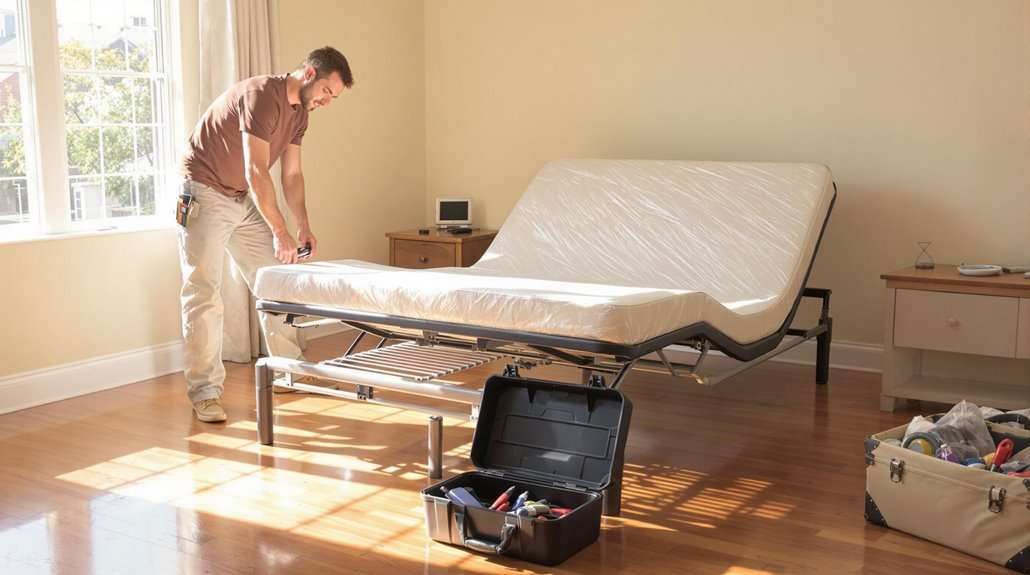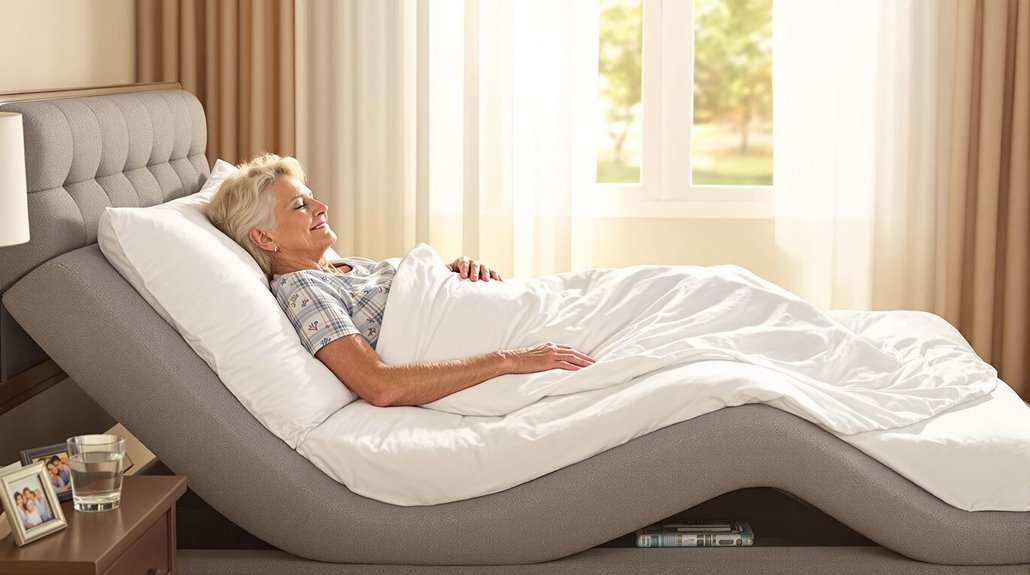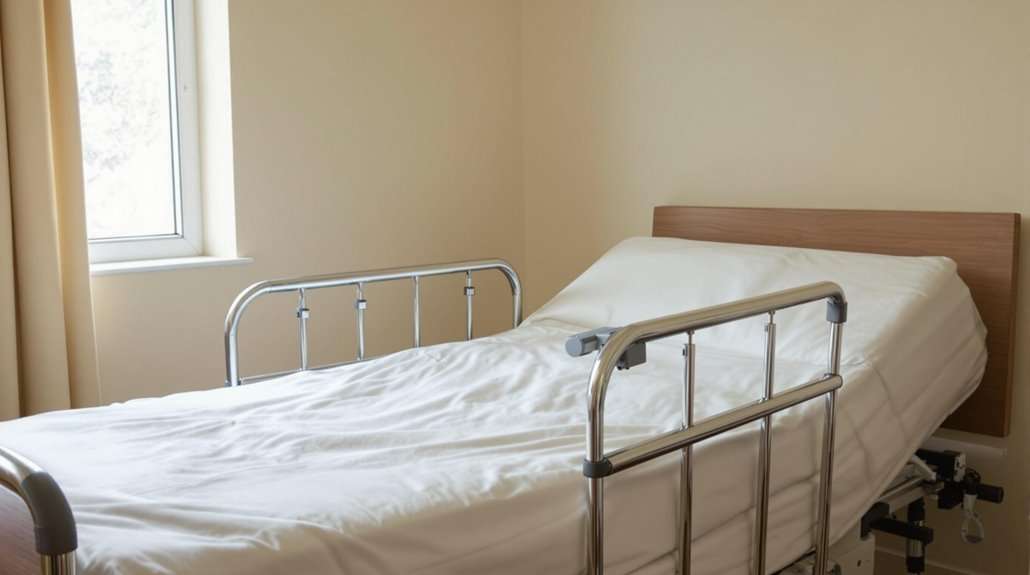



Beds for seniors with mobility issues offer comfort and independence. These special beds help older adults move easily and sleep better. Many seniors face sleep problems, but adjustable beds can improve their rest.
Companies like Saatva, Nectar, and Puffy make beds that fit seniors’ needs. These beds have useful features like preset positions and under-bed lights. They also offer health benefits by easing pain and helping blood flow.
Prices range from $899 to $3,596, depending on the model and features. Some seniors might get help paying for these beds through Medicare. Users say these beds make a big difference in their lives.
They enjoy the comfort and ease of use. Choosing the right bed takes some thought, but it can greatly improve a senior’s quality of life. The following information provides details about the options available.
📋✅
- Adjustable beds for seniors offer features like preset positions, varying leg heights, under-bed lighting, and custom settings to improve comfort and safety.
- Top-rated brands include Saatva ($1,045-$2,598), Nectar, Puffy, Sealy (starting at $899), and Tempur-Pedic ($899-$4,798).
- These beds can enhance independence, improve sleep quality, and provide health benefits like pain relief and better circulation for older adults with mobility issues.
- Latex, memory foam, and some hybrid mattresses work best with adjustable beds, conforming to different positions while maintaining support.
- Dr. Emily Chen, a geriatric specialist, recommends adjustable beds for seniors to improve quality of life, though she notes they can be expensive and have a learning curve.
Key Features of Adjustable Beds for Seniors

Adjustable beds for seniors provide essential features that improve comfort and safety. These beds include customizable settings that facilitate position changes and offer appropriate support.
Preset positions for ease of use
Adjustable beds for seniors often include preset positions, simplifying use for both individuals and caregivers. Saatva’s Adjustable Base Plus offers four ready-to-use positions, while Nectar provides six options, including Zero Gravity and Anti-Snore.
These presets allow seniors to quickly find comfort without extensive adjustment of controls.
Custom presets are popular among many seniors. A survey indicated that 59% of users frequently utilize their personalized settings. This feature allows people to save their ideal position for reading, watching TV, or sleeping.
With a single button press, the bed moves into place, offering a straightforward method to improve comfort and independence for older adults with mobility challenges.
Varying leg heights for customized support
Adjustable beds offer leg heights from 13 to 18 inches. This range allows seniors to select the ideal height for their needs. A lower bed facilitates easier entry and exit. Higher beds assist those who use wheelchairs or walkers.
The appropriate height can minimize falls and improve comfort.
Saatva’s Adjustable Base Plus excels in this aspect. It features user-friendly controls for modifying leg height. Seniors can determine their preferred setting with minimal effort.
This feature contributes to the bed’s overall value for older adults with mobility concerns. We will now examine under-bed lighting and built-in remote flashlights.
Under-bed lighting and built-in remote flashlight
Continuing our discussion of features, another useful option is worth mentioning. Certain adjustable beds include under-bed lighting and remote controls with integrated flashlights.
These thoughtful additions enhance safety for older individuals during nighttime movements. The Saatva Adjustable Base Plus provides under-bed illumination to assist navigation in darkened spaces.
Nectar’s adjustable beds come with a wireless remote that incorporates a flashlight. Such features contribute to reducing fall hazards and promoting self-reliance for seniors who need to move about at night.
Custom presets for personalized comfort
Building on the convenience of under-bed lighting, custom presets enhance comfort significantly. These presets allow users to save their favorite positions for easy access. With just one button, seniors can adjust their bed to their ideal setup for reading, watching TV, or sleeping.
Saatva offers four pre-set positions and one custom option. Nectar provides six preset choices. This range lets caregivers and seniors find the perfect fit for their needs. Custom presets make it easy to switch between positions without fuss, improving independence and comfort for those with limited mobility.
Top Rated Adjustable Beds for Seniors in 2025
We selected the top adjustable beds for seniors in 2025. These beds provide comfort and convenience for older adults with mobility challenges. Interested in learning which brands we recommend? Continue reading to discover our preferred options.
Saatva: Best Overall
Saatva emerges as the premier choice for seniors facing mobility challenges. This bed provides an exceptional blend of comfort and support. It features preset positions, simplifying the process of finding an ideal position for reading or sleeping.
The adjustable height of the bed enhances safety for seniors when getting in and out. Saatva incorporates thoughtful features such as under-bed lighting and a remote with a built-in light source.
With prices ranging from $1,045 to $2,598, Saatva beds represent a worthwhile investment in improved sleep quality. The purchase includes complimentary delivery and installation, along with removal of the existing mattress.
The company demonstrates confidence in their product’s durability by offering a one-year comprehensive warranty and a nine-year limited warranty. Seniors experiencing back pain or sleep apnea may find significant improvements in sleep quality and overall comfort through Saatva’s adjustable features.
Nectar: Most Desired Presets
Nectar adjustable beds provide preset positions popular among seniors. These beds feature Zero Gravity, Anti-Snore, TV, and Reading modes. Users can also set custom positions for their specific requirements.
The Zero Gravity option helps alleviate back pain and enhance circulation. Anti-Snore mode gently elevates the head to improve airflow and reduce snoring.
Nectar beds range from $1,399 to $2,798. They offer a 50-night home trial period for seniors to test the bed. The warranty covers 3 years, with an option to extend to 10 years for additional assurance.
Puffy adjustable beds and their trial period are another option to consider.
Puffy: Best Trial Period
Puffy provides seniors with an extended trial period for their adjustable beds. Customers receive 101 nights to evaluate the bed in their home environment. This extended trial allows for a thorough assessment of the bed’s suitability.
Puffy also supports their beds with a lifetime warranty, demonstrating confidence in their product quality.
The next brand we’ll examine is Sealy. They provide cost-effective options for seniors with budget considerations.
Sealy: Most Affordable
Sealy provides affordable adjustable beds for seniors with mobility challenges. Their models begin at $899, making them a preferred choice for budget-conscious shoppers. These beds include a 25-year warranty, reassuring both caregivers and users.
Sealy’s adjustable bases offer essential features such as preset positions and adjustable leg heights for personalized support. They also incorporate under-bed lighting and integrated remote flashlights, aiding seniors in safe nighttime movement.
Tempur-Pedic: Best for Chronic Conditions
Tempur-Pedic is an excellent choice for seniors with ongoing health issues. Their beds provide exceptional support and comfort, easing pain from conditions like arthritis or back problems.
The mattresses mold to the body, reducing pressure points and improving sleep quality. This can lead to less tossing and turning, which is essential for those with chronic pain.
These beds offer useful features for older adults. They have preset positions for easy adjustments and built-in lighting for safety at night. The 25-year warranty reassures caregivers and seniors alike.
While more expensive than some options, ranging from $899 to $4,798, many consider the investment worthwhile for better rest and pain relief.
Benefits of Adjustable Beds for Seniors
Adjustable beds provide seniors with benefits beyond comfort. They support independence, enhance sleep quality, and alleviate health concerns. Read on to discover more about these significant advantages!
Enhanced Comfort and Support
Adjustable beds provide seniors with enhanced comfort. These beds allow users to modify positions effortlessly, alleviating discomfort. Seniors can elevate their head for reading or watching TV, or raise their legs to promote circulation.
The Saatva Adjustable Base Plus includes lumbar support for additional back care.
Programmable settings make these beds increasingly beneficial. Users can store their preferred positions with a simple button press. This eliminates the need to search for the ideal position nightly.
With improved support and simpler adjustments, seniors often experience better sleep quality and wake up feeling more revitalized.
Improved Independence and Mobility
Adjustable beds improve seniors’ independence and mobility. These beds allow users to change positions by pressing a button. This reduces the need for assistance when getting in and out of bed.
Wireless remotes with integrated flashlights enable safe and convenient nighttime adjustments.
Variable leg heights contribute to the bed’s functionality. Seniors can adjust the bed to the optimal height for transfers. This feature benefits those who use wheelchairs or walkers.
It also assists caregivers by minimizing strain during support. These beds transform a previously challenging activity into a smooth, respectful process.
Better Sleep Quality
Adjustable beds can significantly improve sleep quality for seniors. An impressive 90% of owners report better sleep on these beds. The reason? These beds offer numerous preset positions, allowing seniors to find their ideal comfort spot.
They can elevate their head to facilitate breathing or raise their legs to promote blood circulation. This results in reduced nighttime movement and leads to deeper, more restorative sleep.
Quality sleep is essential for health and well-being. With an adjustable bed, seniors often rise feeling more energized. They may experience reduced morning pain and stiffness as well.
These beds can assist with conditions such as sleep apnea or acid reflux. By identifying the optimal position, seniors can breathe more comfortably and minimize nighttime discomfort.
This contributes to fewer sleep interruptions and a more tranquil night’s rest.
Health Benefits: Alleviating pain and improving circulation
Adjustable beds offer real health perks for seniors. They can ease pain in the back, hips, and legs by letting users find comfy spots. Raising the head or feet helps blood flow better, which may cut down on swelling.
This improved blood flow can also aid healing and reduce the risk of blood clots.
These beds can help with other health issues too. For folks with breathing troubles or acid reflux, sleeping with the head raised can make a big difference. The ability to change positions easily can also help prevent bedsores.
Hospital beds and adjustable beds for seniors have distinct features worth comparing.
Comparison of Hospital Beds vs Adjustable Beds
Hospital beds and adjustable beds meet distinct requirements for older adults. Hospital beds primarily address medical needs, whereas adjustable beds focus on providing comfort and supporting independent living in a home setting.
Design Differences
Adjustable beds and hospital beds have distinct appearances. Adjustable beds resemble standard home beds with movable parts. They often feature wood or upholstered frames that complement bedroom decor.
Hospital beds are constructed with metal frames and safety rails. They’re designed for medical purposes rather than aesthetics.
The features of these beds differ as well. Adjustable beds offer massage functions and under-bed lighting for home comfort. Hospital beds prioritize medical requirements with IV pole attachments and surfaces that are easy to sanitize.
Both bed types can elevate the head and feet, but adjustable beds do so for relaxation purposes while hospital beds facilitate caregiving tasks.
Benefits of Adjustable Beds Over Hospital Beds
Moving from design differences, we can examine the advantages adjustable beds often provide over hospital beds for seniors. Adjustable beds offer increased comfort and aesthetic appeal compared to hospital beds.
They resemble standard beds but have the capability to adjust vertically. This allows seniors to feel more comfortable in their home environment rather than feeling institutionalized.
Adjustable beds also come with additional features such as massage functions and programmable settings. These enable seniors to easily find comfortable positions without assistance.
Adjustable beds provide seniors with greater autonomy. They can adjust their position independently, which positively impacts their mood and well-being. Many models include under-bed lighting and integrated flashlights.
These features assist seniors in moving safely during nighttime hours. Some beds are designed to conserve space by positioning close to walls. These benefits make adjustable beds an excellent option for seniors who wish to maintain their independence at home.
Mattress Compatibility and Considerations
Selecting an appropriate mattress for an adjustable bed is essential. A well-suited pairing can improve comfort and prolong the lifespan of both the bed and mattress.
Importance of Choosing the Right Mattress
Selecting an appropriate mattress is essential for seniors with mobility challenges. A suitable mattress complements the adjustable bed to provide optimal support and comfort. Strengthened edges help maintain the mattress’s shape and prevent sagging.
This feature is crucial for older adults who might experience difficulty moving in bed.
The choice of mattress significantly influences comfort and usability. Memory foam or latex mattresses often perform well with adjustable beds. These materials conform to the body and adjust easily with the bed’s positions.
This can help reduce pressure points and enhance sleep quality for seniors.
Recommendations for Mattress Types Suitable for Adjustable Beds
Latex and memory foam mattresses are ideal for adjustable beds. These types maintain their shape and support while bending easily. They also help minimize pressure points, which is essential for seniors with mobility concerns.
Some hybrid mattresses combine foam and coils, providing a balance of comfort and longevity.
For optimal compatibility, consider mattresses designed specifically for adjustable bases. These often incorporate features like temperature regulation technology or reinforced edge support.
The appropriate mattress can significantly improve sleep quality and comfort. Optional features can further enhance the comfort of adjustable beds for seniors.
Optional Features to Enhance Comfort
Comfort is essential for seniors with mobility challenges. Certain beds provide additional features to improve ease and relaxation.
Lumbar support for enhanced back care
Adjustable beds featuring lower back support provide significant assistance for older adults experiencing back problems. These beds incorporate a specialized section that elevates to support the lumbar region.
This additional support can alleviate discomfort and enhance sleep comfort. Both Saatva and Tempur-Pedic manufacture beds with this characteristic. They assist older adults in sitting up in bed with minimal effort.
Lower back support in beds functions similarly to a chair designed with proper back support. It occupies the space between the mattress and the natural curve of the spine. This maintains the back in an optimal position throughout the night.
For older adults who spend considerable time in bed, this can substantially benefit their back health. It may even reduce the necessity for pain medication.
Wall alignment to save space and improve accessibility
Saatva’s Adjustable Base Plus incorporates a wall-aligning design. This feature positions the bed nearer to the wall as it elevates. It conserves room space and allows seniors easier access to their nightstands.
The base moves back smoothly, maintaining everything within reach. This design suits small bedrooms or those requiring additional floor space for mobility aids.
Wall-hugging beds also enhance safety for older adults. They minimize the space between the bed and wall, reducing fall risks. Seniors can enter and exit the bed more comfortably without overreaching for nearby items.
This arrangement promotes independence and comfort for those with mobility limitations.
Considerations for skipping the massage feature
Certain features in adjustable beds can increase the price. Many older adults discover they rarely use some options. The vibrations might even be uncomfortable for some individuals.
It’s better to prioritize essential features such as preset positions and adjustable leg heights. These contribute more directly to comfort and mobility.
Opting out of certain extras can reduce costs. It also maintains the bed’s ease of use. Some brands offer this additional feature, but it’s not necessary for improved sleep quality.
Most older adults gain more benefits from proper support and simple adjustments. These address concerns like back discomfort and circulation issues.
Purchasing Tips for Adjustable Beds
When purchasing an adjustable bed, focus on quality, durability, and comprehensive warranty options. Inquire about service plans and delivery specifics as well. For more information on securing an excellent value, visit our complete guide on Bed For Seniors.com!
How to assess quality and durability
Quality and durability are essential considerations when selecting an adjustable bed for seniors. Seek out robust frames constructed from steel or wood. Evaluate the motor’s power and noise level.
A reliable motor should be capable of lifting at least 600 pounds with minimal sound. Examine all moving components to ensure they operate smoothly. Review the warranty terms – extended coverage often indicates superior quality.
Consult user reviews to gain insights into real-world performance. Focus on comments regarding longevity and customer service. Inquire about weight capacity and the frequency of part replacements.
Reputable brands provide clear information on materials and construction methods. They also offer detailed maintenance instructions to extend the bed’s lifespan.
Understanding warranty and service options
When purchasing an adjustable bed, warranty and service options play a crucial role. Many manufacturers provide warranties covering parts and labor for a specific duration. Some companies include delivery and setup services.
Transfer Master distinguishes itself by catering to seniors with mobility challenges. They provide personalized services to ensure the bed meets individual needs. Carefully reviewing warranty details before making a purchase is advisable.
Pay attention to the coverage duration and scope. Quality post-purchase support can significantly enhance your experience.
Important questions to ask before buying
Before buying an adjustable bed, inquire about its specific features for seniors. Learn if it has preset positions for comfort and user-friendly controls. Verify if lumbar support is included and if the bed provides massage options.
Inquire about under-bed lighting and other safety features. These details help ensure the bed meets your specific needs.
Remember to ask about warranty and service options. Inquire about the bed’s weight limit and if it’s compatible with your current mattress. Learn how easy it is to set up and if delivery includes installation.
These questions will help you make an informed choice for your comfort and care. The cost of adjustable beds for seniors is another important factor to consider.
Cost Analysis of Adjustable Beds for Seniors
Adjustable beds for seniors are available at various price points. The cost varies based on features, size, and brand – but this shouldn’t discourage you from considering one.
Price Ranges and What Influences Cost
Adjustable beds for seniors range from $899 to $4,798. Saatva offers beds between $1,045 and $2,598, while Tempur-Pedic’s prices go up to $4,798. Features such as preset positions, under-bed lighting, and custom settings affect the cost.
The mattress type, size, and brand also influence pricing.
Quality and durability impact the price of adjustable beds. Higher-end models often have stronger motors, better warranties, and more advanced features. Some beds include extras like massage functions or wall-hugging designs, which can increase the price.
Consider these factors alongside your budget and needs.
Financial assistance options (e.g., Medicare coverage)
Shifting focus from cost considerations to financial assistance, there are several avenues to help manage the expense of adjustable beds. Medicare typically doesn’t include coverage for these beds, but alternative options exist.
Some older adults may be eligible for Medicaid support, which can potentially contribute to the cost of adjustable beds in certain situations. Local charitable organizations and non-profits might provide grants or affordable financing options.
It’s beneficial to contact area agencies on aging for potential leads. Several bed manufacturers also offer installment plans to distribute the cost over an extended period.
User Experiences and Feedback
Customers appreciate the convenience offered by adjustable beds. They commend the comfort and better sleep quality, though some initially find the controls challenging to use.
What users like about their adjustable beds
Users appreciate their adjustable beds for numerous reasons. Most individuals report improved sleep at night. In fact, 90% of users experience better sleep quality. People enjoy the preset positions that facilitate finding a comfortable position.
They also appreciate the ability to raise or lower the beds, aiding in entry and exit. Many users commend the lumbar support feature, which alleviates lower back discomfort. The under-bed lighting is another popular feature, enhancing safety during nighttime movements.
Caregivers also find these beds beneficial. They facilitate assistance for loved ones with mobility challenges. The beds’ height adjustments minimize strain when aiding seniors with movement or dressing.
Some users even report overall health improvements from their adjustable beds. They experience reduced discomfort, improved breathing, and increased independence. Some common challenges users encounter with adjustable beds include:.
Common challenges and how to address them
Users of adjustable beds often encounter issues with mattress sliding. This problem can be addressed by using non-slip mats or bed straps. Another frequent challenge is noise from the motor.
Selecting a bed with a quiet motor or applying lubricants can help reduce unwanted sounds. Some individuals find it challenging to adapt to the new sleep position. Beginning with minor adjustments and gradually progressing to more significant changes can facilitate this process.
Technical issues with remotes or apps can be resolved by keeping spare batteries on hand or contacting customer support for assistance.
Cost is a significant concern for many. However, there are methods to make adjustable beds more affordable. Some brands provide payment plans or discounts for seniors. It’s also beneficial to check if insurance or Medicare can assist in covering the cost.
Another suggestion is to search for sales during holidays like Black Friday or Memorial Day. Some users report feeling confined by the raised head section. Using wedge pillows or experimenting with different positions can help address this issue.
With time and practice, most users discover ways to overcome these challenges and enjoy their adjustable beds.
Benefits of Adjustable Beds for Seniors (Link to https://www. example. com/what-are-benefits-adjustable-beds-seniors/)
Adjustable beds offer many advantages for seniors with mobility issues. These beds help improve sleep quality, with over 90% of owners reporting better rest. They also make it easier to get in and out of bed, increasing independence.
Raising the head can ease snoring and sleep apnea, while lumbar support aids back pain.
Seniors can enjoy health benefits from adjustable beds too. The beds can help with acid reflux and other sleep problems. Some models, like the Saatva Adjustable Base Plus, are both affordable and feature-rich.
For more details on how these beds can improve senior life, visit our full guide at https://bedforseniors.com/what-are-benefits-adjustable-beds-seniors/. Here are some common questions about adjustable beds for seniors.
Adjustable beds offer seniors with mobility issues a chance at better sleep and comfort. These beds come with features like preset positions and varying leg heights. They can help with pain relief and improved circulation.
Dr. Emily Chen, a geriatric specialist with 20 years of experience, shares her insights on this topic. She holds a Ph.D. in Gerontology from Stanford University and has published numerous studies on senior care.
Dr. Chen notes, “Adjustable beds for seniors significantly improve quality of life. They allow for personalized positioning, which can ease back pain and breathing issues. The preset functions make it easy for seniors to find their ideal position without struggle.”.
On safety, Dr. Chen adds, “These beds are designed with senior safety in mind. Many models have fall prevention features and comply with strict medical standards. It’s essential for manufacturers to be clear about their safety measures.”.
For daily use, Dr. Chen recommends, “Seniors should try different positions throughout the day. Elevating legs can help with swelling, while raising the head can aid digestion after meals.”.
Dr. Chen discusses advantages and disadvantages: “While these beds offer great benefits, they can be pricey. Some seniors might find the controls complex at first. But for many, the improved sleep quality outweighs these drawbacks.”.
Dr. Chen states, “For seniors struggling with mobility, an adjustable bed can be a worthy investment. It can increase independence and overall well-being. But it’s important to choose a bed that fits individual needs and budget.”.
Frequently Asked Questions
Interested in adjustable beds? Our FAQ section addresses frequent inquiries. We respond to questions about Medicare coverage, cost-benefit considerations, optimal bed height, and possible limitations. Continue reading to find out more!
Will Medicare pay for adjustable beds for seniors?
Medicare typically doesn’t cover adjustable beds for seniors, as they don’t meet the criteria for “durable medical equipment.” However, Medicare Part B may cover hospital beds if prescribed by a doctor.
Hospital beds differ from adjustable beds, featuring specific elements for home medical care.
Seniors generally need to purchase adjustable beds out of pocket. Some Medicare Advantage plans might offer assistance, though this is uncommon. It’s advisable to consult insurance providers regarding coverage possibilities.
While adjustable beds can be expensive, they address numerous health concerns. These beds help alleviate back pain, enhance sleep quality, and promote independence for older individuals.
Are adjustable beds worth the investment for seniors?
Adjustable beds provide significant benefits for seniors. They improve comfort and assist with health concerns such as back pain and respiratory issues. Research indicates that 90% of users experienced improved sleep quality.
These beds can simplify daily activities, allowing seniors to maintain greater independence. Although the initial cost is higher, the long-term advantages often justify the investment.
Many older adults find adjustable beds to be a worthwhile purchase. They offer personalized support and can alleviate discomfort from conditions like arthritis. The beds’ features, including preset positions and under-bed lighting, enhance safety and usability.
Seniors who choose these beds often experience better sleep and overall wellness. This makes them a consideration for those seeking improved rest and mobility.
What is the ideal height of an adjustable bed for seniors?
The optimal height of an adjustable bed for seniors varies. Most experts recommend a range of 13 to 18 inches from the floor to the top of the mattress. This range aids older adults with mobility issues in safely entering and exiting the bed.
Beds with adjustable leg heights provide the most effective option. They allow users to find their ideal height for comfort and ease of use.
Seniors should experiment with different heights to determine what suits them best. A helpful guideline is to sit on the edge of the bed with feet flat on the floor. Knees should form a 90-degree angle.
This position facilitates standing up or sitting down without strain. For wheelchair users, the bed height should align with the chair seat for smooth transfers.
What are the potential disadvantages of an adjustable bed?
Adjustable beds can present challenges for older adults. Price is a significant consideration. Premium models often come with substantial costs. Some older adults might struggle with the controls, particularly those experiencing joint pain or visual impairment.
The bed mechanisms can produce sound, potentially disturbing those who sleep lightly. The weight of these beds is another consideration – they often exceed that of standard beds. This characteristic makes repositioning them within a room more difficult.
Maintenance expenses can be substantial if mechanical components fail. Some individuals report feeling restricted in certain positions. The beds may not integrate seamlessly with current bedroom furnishings or style.
While payment plans are available, interest rates can reach up to 35%. This could impact those on fixed incomes. Despite these considerations, many older adults still find the comfort and health advantages outweigh the potential drawbacks.
Related Questions
1. What features do beds for seniors with mobility issues have?
Beds for seniors with mobility issues often include adjustable heights, side rails, and pressure relief mattresses. These features help prevent pressure sores and ease lower back pain. Some beds have built-in assistive devices like grab bars or trapeze bars. Airbeds and hospital beds are common choices, offering customizable support for various medical conditions.
2. How can specialized beds improve sleep quality for seniors?
Specialized beds can greatly enhance sleep quality for seniors. They support proper sleep patterns and help maintain a healthy circadian rhythm. These beds often reduce sleep disorders like obstructive sleep apnea and insomnia. By promoting better sleep hygiene, they can lessen sleep deprivation and fragmented sleep – issues common in conditions like Parkinson’s disease or dementia.
3. Are there beds that can help with specific health problems?
Yes, there are beds designed for specific health issues. For those with breathing problems or chronic obstructive pulmonary disease (COPD), beds with adjustable head positions can ease chest congestion. Beds with low air loss systems help people with multiple sclerosis or fibromyalgia. Some beds even integrate with continuous positive airway pressure (CPAP) machines for those with obstructive sleep apnea (OSA).
4. Do these specialized beds work with other assistive devices?
Many specialized beds are compatible with other assistive devices. They can accommodate walkers, wheelchairs, and patient lifts. Some models integrate with technology like smartphones for easy control. Occupational therapists often recommend beds that work well with devices used in physical therapy sessions.
5. How do these beds address mental health concerns in seniors?
Specialized beds can positively impact mental health. By improving sleep quality, they can help reduce anxiety and depression. Better sleep contributes to overall mental well-being. Some beds have features like gentle massage or soothing sounds to promote relaxation. Improved sleep from these beds can boost mood and cognitive function in seniors with conditions like dementia.
6. What should I consider when choosing a bed for a senior with mobility issues?
When selecting a bed, consider the specific needs of the senior. Look at factors like mattress type (innerspring, memory foam, or air mattresses), adjustability, and ease of use. Consider the sleep environment, including air quality and noise levels. Think about any medical equipment that might be needed, such as a CPAP machine. Consult with healthcare providers or geriatrics specialists for personalized recommendations.