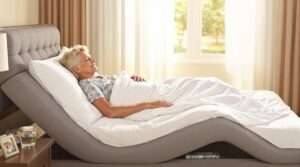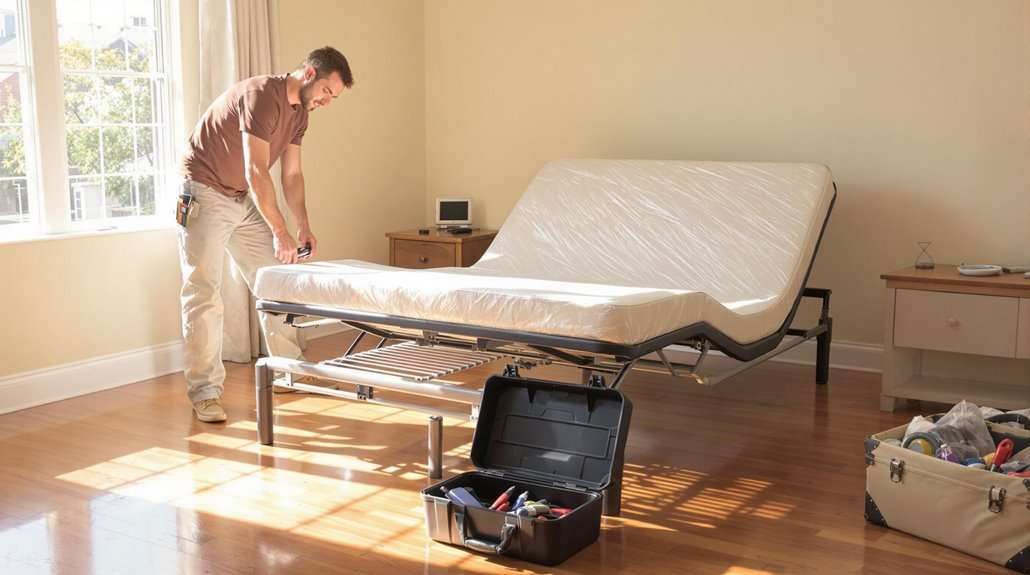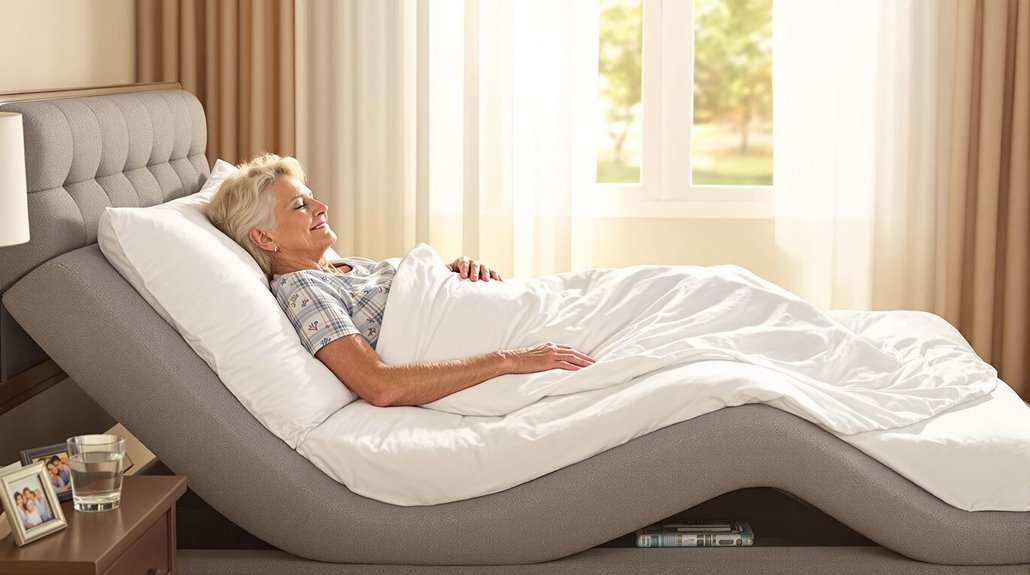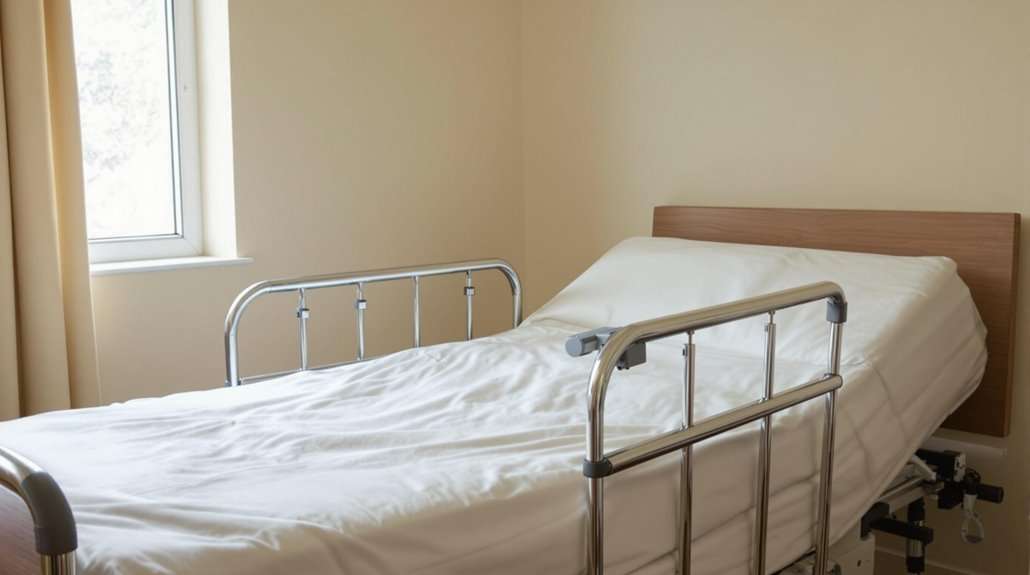



Senior beds represent a worthy investment due to their extensive health benefits and improvements in daily living for older adults. They provide relief from joint pain by ensuring weight is evenly distributed, thereby reducing joint pressure. Enhanced circulation from adjustable positioning alleviates swelling and helps manage conditions like varicose veins, leading to better sleep quality. User-friendly controls promote autonomy and ease of use, essential for senior well-being. Though upfront costs may seem steep, the long-term health benefits and reduction in potential medical expenses justify the investment. Exploring further will reveal more about their features that cater to specific needs.
📋✅
- Adjustable beds enhance sleep quality by alleviating joint pain and promoting better circulation, improving overall health.
- User-friendly controls and intuitive design features increase accessibility and independence for seniors and caregivers.
- The long-term value justifies the cost, as high-quality materials ensure durability and reduce replacement expenses.
- Advanced features, such as customizable firmness and pressure relief technologies, cater to seniors' specific comfort needs.
- Medicare may cover part of the costs, making it a financially viable option for eligible seniors.
Benefits for Joint Pain

Alleviating joint pain through the use of adjustable beds offers significant benefits for seniors, particularly those suffering from arthritis. These beds provide joint adaptability, allowing users to reposition themselves effortlessly to alleviate pain, especially during mornings when arthritis symptoms can be most debilitating. By electrically adjusting the bed's position, seniors can distribute their body weight more evenly, an essential aspect of pain management that reduces pressure on sensitive joints. One of the notable advantages of adjustable beds is that they help in reducing discomfort associated with chronic conditions, promoting a more comfortable sleeping posture.
Adjustable beds can also relieve stress on affected areas of the back, a common source of chronic pain in arthritis sufferers. The ability to raise the legs above the heart helps in dispersing fluid, alleviating edema, and making mobility more manageable for seniors. This function is not only beneficial for immediate pain relief but also supports long-term orthopedic health by maintaining a neutral spinal alignment.
Furthermore, high-quality adjustable beds offer orthopedic benefits by contouring to the user's body shape, thereby reducing joint pressure. This adaptability guarantees a restful and rejuvenating sleep, vital for seniors whose recovery needs are greater than those of younger individuals. Investing in such a bed can profoundly impact pain management and enhance daily living for seniors with arthritis.
Enhanced Circulation
Adjustable beds play an essential role in promoting blood flow, particularly for seniors experiencing circulatory challenges. By enabling leg elevation and customizable sleeping positions, these beds effectively reduce swelling risks and alleviate conditions such as varicose veins. The strategic design not only enhances circulation but also contributes to overall health improvements, making them a valuable investment for senior well-being. Moreover, by elevating the legs and head, adjustable beds significantly improve circulation, which further reduces the risks of varicose veins and lower limb swelling.
Promoting Blood Flow
For seniors experiencing circulatory challenges, the integration of adjustable beds into daily life offers a promising avenue for enhanced blood flow and overall well-being. Elevated positioning is a key feature of these beds, allowing for circulation enhancement by reducing pressure on the lower extremities. This is particularly beneficial in reducing discomfort and pain associated with poor circulation. By elevating the legs and feet, adjustable beds help in redistributing body weight evenly, thereby minimizing pressure points and promoting better circulation.
The benefits of improved circulation are manifold, especially for seniors with conditions such as arthritis and chronic pain. Enhanced blood flow can alleviate joint pain and manage chronic ulcers, contributing to a significant reduction in discomfort. Additionally, adjustable beds assist in post-surgery recovery by promoting better circulation and healing. For seniors with breathing difficulties, these beds can be customized to improve respiratory function, further enhancing circulation and reducing discomfort. The use of adjustable beds is supported by all major web browsers, ensuring compatibility and ease of use for seniors accessing online shopping platforms to acquire these beds.
Moreover, enhanced circulation through adjustable beds leads to improved sleep quality. By providing comfort and support, these beds reduce sleep disruptions, allowing for uninterrupted and restorative sleep. Consequently, adjustable beds are an invaluable investment for promoting overall health and well-being among seniors.
Reducing Swelling Risks
Elevating the legs and feet is a proven method to improve circulation and reduce swelling, making it particularly beneficial for seniors who may be prone to circulatory issues. Swelling management through leg elevation can greatly decrease the risk of varicose veins and edema, conditions commonly affecting older adults. Adjustable beds play an essential role in this regard, as they allow precise positioning of the legs to promote ideal blood flow and alleviate discomfort associated with swelling. By reducing pressure on joints, adjustable beds can also provide relief from chronic arthritis pain, which is a common concern for seniors. The electric leg lift function in adjustable beds is a key feature for enhancing circulation and reducing leg swelling. By enabling seniors to raise the foot end of the bed, these beds facilitate better circulation, which is vital for overall health and comfort. This feature is particularly advantageous for seniors who spend extended periods in bed, as it helps mitigate the risks associated with prolonged immobility.
Furthermore, adjustable beds cater to individual needs by offering customizable positions, ensuring that seniors can find the most comfortable and effective arrangement for their specific health conditions. This tailored approach not only addresses current circulatory challenges but also contributes to long-term well-being, ultimately enhancing the quality of life for seniors.
Sleep Quality Improvement

Many seniors find that improving sleep quality can greatly enhance their overall well-being and daily functioning. Restorative sleep is essential for seniors, as it helps in maintaining ideal cognitive and physical health. Adjustable beds provide a unique opportunity to tailor sleep patterns according to individual needs, thereby potentially improving sleep quality. By elevating the upper body, these beds can alleviate respiratory issues, such as sleep apnea and snoring, consequently promoting uninterrupted sleep. Additionally, reducing acid reflux by adjusting the bed's incline can greatly enhance comfort during rest.
The benefits extend further as these beds aid in reducing muscle discomfort and joint pain, which often interfere with sleep patterns. Elevating the legs can promote healthy circulation, minimizing swelling and enhancing relaxation. This targeted support not only alleviates aches but also aids in maintaining spine alignment, thereby fostering restorative sleep. Seniors with arthritis or chronic pain conditions may find adjustable beds particularly advantageous, as they offer a personalized approach to comfort and support. Importantly, adjustable beds often come with remote-controlled features, allowing seniors to effortlessly adjust their sleeping positions, thereby enhancing ease of use and independence.
Ultimately, investing in a senior bed could be a compassionate choice that serves to improve the quality of life for seniors, ensuring they experience the rejuvenating power of restorative sleep each night.
Ease of Use
When considering the ease of use in senior beds, user-friendly controls emerge as a critical component in enhancing accessibility and autonomy for older adults. Simple adjustment mechanisms, such as intuitive remote controls, enable both seniors and caregivers to easily modify the bed's settings to meet comfort and medical needs. Intuitive design features, including straightforward interfaces and accessible controls, markedly contribute to reducing the physical and cognitive barriers often encountered by seniors, thereby fostering a safer and more supportive sleeping environment. With the importance of comfort and support in mind, these beds are designed to balance cushioning and stability, ensuring a restful sleep experience for elderly individuals.
User-Friendly Controls
Navigability embodies the essence of user-friendly controls, especially in the context of adjustable beds for seniors. Control accessibility greatly enhances the user experience by enabling seniors to make personalized adjustments effortlessly. A clear and intuitive interface is paramount, providing seniors with the confidence to operate their beds independently. Wireless remote controls are favored for their simplicity, while easy-to-use buttons with quick-read icons cater to those with limited dexterity or vision. Voice control options, enabled by smart home technologies, further simplify adjustments, offering a hands-free approach that many find invaluable. Adjustable features cater to individual preferences, allowing seniors to find the optimal comfort level that suits their specific needs.
User-friendly controls not only bolster independence but also reduce confusion and frustration. Seniors benefit from features like emergency power-down and anti-slip bottoms, ensuring safety with straightforward control systems. Importantly, these controls translate to improved sleep quality through easy adjustments for ideal comfort. Convenience is enhanced by features such as under-bed lighting and USB ports, making daily use more practical and safe.
Design considerations must focus on ergonomic accessibility, ensuring large, clear displays and tactile feedback for those with sensory impairments. A consistent interface across all methods—whether remote, app, or voice—ensures a seamless, satisfying experience, promoting autonomy and safety for senior users.
Simple Adjustment Mechanisms
The simplicity of adjustment mechanisms is an essential factor in enhancing the usability of adjustable beds for seniors. With the incorporation of remote functionality and height adjustment, these beds offer an important blend of convenience and safety. Wireless remotes, which often include smartphone integration, allow users to program and customize bed positions easily. This feature reduces the need for manual adjustments, ultimately minimizing physical strain. Moreover, preset buttons enable seniors to switch quickly between activities such as reading, watching TV, or sleeping, optimizing comfort and accessibility.
Height adjustment plays a significant role by facilitating safer entry and exit from the bed. By allowing the bed to be set at different heights, it caters to individual needs and reduces the risk of falls, thereby promoting independence. This is particularly beneficial when combined with other accessibility features like grab bars. Transfer Master beds incorporate these height adjustment features, supporting aging in place by enhancing comfort and safety.
- Wireless Remotes: Enable easy programming and customization.
- Height Adjustment: Guarantees safer bed transfers and independence.
- Wall-Hugging Designs: Maintains bed position close to the wall.
- Programmable Memory Settings: Store and recall preferred positions easily.
Collectively, these mechanisms contribute greatly to the well-being and autonomy of seniors, making adjustable beds a worthwhile investment.
Intuitive Design Features
Incorporating intuitive design features in adjustable beds greatly enhances usability for seniors, aligning functionality with ease of use. Ergonomic functionality is evident in remote controls, thoughtfully crafted for easy handling, guaranteeing that all users, regardless of dexterity levels, can operate them without strain. The presence of backlit displays further amplifies visibility during nighttime, offering an accessible interface in low-light conditions. Intuitive interfaces are a hallmark of these designs, with features such as pre-programmed positions, customizable presets, and wireless operation via remotes or smartphone apps. These elements empower seniors to adjust their sleeping arrangements effortlessly, supporting their independence and comfort. Proactive furniture choices, including adjustable beds, help address potential aging challenges by enhancing comfort, safety, and independence.
User-friendly features extend beyond basic adjustments. Massage functions and under-bed lighting enhance relaxation and ease of navigation in the dark. USB charging ports add convenience, allowing seniors to charge devices without leaving their beds. Wall-hugging technology ensures proximity to essential items, reducing the need for movement and enhancing safety. Additionally, adjustable lumbar support caters to specific comfort needs, addressing common senior health concerns. The integration of these design elements not only improves the living experience for seniors but also underscores a commitment to enhancing their quality of life through thoughtful, accessible innovations.
Cost Considerations

When considering the cost of senior beds, it is vital to weigh various factors that can greatly influence the overall investment. Price comparison and budget planning play a pivotal role in selecting the right bed for seniors. The average mattress ranges from $524 to $1,874, while adjustable beds can cost between $3,000 and $7,000, influenced by brand, size, and features. Understanding these variations aids in creating a budget that aligns with both financial capabilities and individual needs. Most mattresses offer a 100-night trial with free refunds after 30 days and warranties averaging 10 years, providing additional assurance for buyers.
Several critical factors affect the cost of senior beds:
- Brand Reputation: Established brands often charge more due to their proven track record, though this can translate to higher quality and peace of mind.
- Material Quality: Opting for high-quality materials may increase upfront costs but guarantees durability and long-term value.
- Insurance Options: Medicare may offer partial coverage for specific mattresses, easing the financial burden for eligible seniors.
- Customization and Safety: Beds with additional safety features and customization options may justify a higher price due to enhanced usability and comfort.
Ultimately, investing in a senior bed should be viewed as a long-term decision, prioritizing health benefits, safety, and potential insurance support over initial costs.
Extra Features for Seniors
Cost considerations play a significant role in selecting senior beds, yet the value of additional features tailored to comfort and safety cannot be overlooked. Height adjustment capabilities are critical, allowing seniors to easily get in and out of bed, thereby minimizing joint strain and fall risks. Adjustable base heights enhance mobility and accessibility, adapting to personal needs and ensuring a safer environment. These features, combined with smart technology, offer substantial benefits.
Advanced health and wellness enhancements, such as sleep tracking, snore response, and massage functions, cater to the individual health profiles of seniors. Smart technology enables these beds to adjust to zero-gravity and anti-snore positions, alleviating sleep disorders and chronic pain, while promoting spinal alignment and better circulation. JavaScript functionality can be integrated into these smart features to allow for real-time updates and seamless adjustments without needing to reload any interfaces, enhancing user interaction with these advanced beds.
Convenience and accessibility are further supported through wireless controls, smartphone apps, and USB ports, ensuring that necessary adjustments are at one's fingertips. The integration of Bluetooth and voice control further simplifies usage, particularly for those with limited mobility.
Additionally, features like slatted bases and customizable firmness levels provide essential support and pressure relief, reducing discomfort and enhancing overall well-being. These thoughtful innovations demonstrate a compassionate approach in addressing the unique needs of seniors.
Mattress Compatibility

Exploring mattress compatibility is crucial when evaluating the value of senior beds, as the right combination can greatly enhance comfort and therapeutic benefits. While the broader context of investing in senior living facilities is paramount, understanding the role of mattress compatibility in senior beds adds a nuanced layer to investment potential. Market trends indicate a growing demand for personalized care solutions, where the integration of compatible mattresses can considerably improve residents' quality of life. The significant price range of senior living facilities complicates valuation for owners, making it crucial to focus on factors like mattress compatibility that directly affect resident satisfaction.
- Customized Comfort: Mattresses tailored to individual needs can reduce pressure points, which is essential for seniors with mobility issues.
- Enhanced Safety: Appropriate mattress choice can minimize fall risk by ensuring stability and ease of movement.
- Therapeutic Benefits: Certain mattress technologies offer therapeutic advantages, such as improved circulation and pain relief.
- Cost Efficiency: Investing in high-quality, durable mattresses can reduce long-term costs associated with replacing subpar options.
As the senior population continues to rise, the market trends favor facilities that prioritize holistic solutions. By focusing on mattress compatibility, investors can not only enhance resident satisfaction but also contribute to the long-term viability and appeal of senior living communities. Prioritizing such details reflects a commitment to serving others thoughtfully and effectively.
Frequently Asked Questions
How Do Adjustable Beds Affect Room Aesthetics and Design?
Adjustable beds can enhance room aesthetics by offering adaptable styles that fit various bedroom layouts. By incorporating matching accessories and strategic furniture placement, they seamlessly blend functionality with design, catering to both personal comfort and visual appeal.
Can Adjustable Beds Help With Digestion Issues?
Adjustable beds, by maximizing sleep posture, can greatly enhance digestion. Elevation reduces acid reflux and GERD symptoms, offering extensive health benefits. However, drawbacks like discomfort for certain sleepers underscore the importance of personalized positioning for ideal results.
Are There Eco-Friendly Options Available for Adjustable Beds?
Yes, there are eco-friendly options for adjustable beds. Brands like Avocado and Naturepedic offer sustainability features through material options such as organic cotton and rubberwood, ensuring healthier, durable, and environmentally conscious choices for consumers.
How Long Do Adjustable Beds Typically Last?
Ironically, while adjustable bed lifespan claims can span decades, durability factors like material quality and maintenance critically determine longevity. Ideal care guarantees functionality, emphasizing the importance of routine maintenance to those dedicated to enhancing others' comfort and well-being.
Do Adjustable Beds Have Any Impact on Partner Sleep Dynamics?
Adjustable beds greatly enhance partner sleep dynamics by improving sleep quality through personalized comfort settings, motion isolation, and customizable positions. This, in turn, fosters relationship harmony by minimizing disturbances and addressing individual sleep needs compassionately and effectively.